If you’ve ever picked up a knitting or crochet pattern and seen the term fingering weight yarn, you’re not alone in wondering what it actually means. Yarn weights play a huge role in how a finished project looks, feels, and fits, yet fingering weight yarn is often one of the most misunderstood categories. Thin, lightweight, and incredibly versatile, this yarn is a favorite for everything from cozy socks to elegant shawls and lightweight garments.
So, what is fingering weight yarn exactly? In simple terms, it’s a fine yarn that falls into the “super fine” category of the standard yarn weight system. Despite its delicate appearance, fingering weight yarn can be surprisingly durable and is prized for its beautiful stitch definition and drape. In this guide, you’ll learn what fingering weight yarn is, how it compares to other yarn weights, what projects it’s best suited for, and how to work with it confidently—whether you’re a beginner or an experienced maker.
What Is Fingering Weight Yarn?
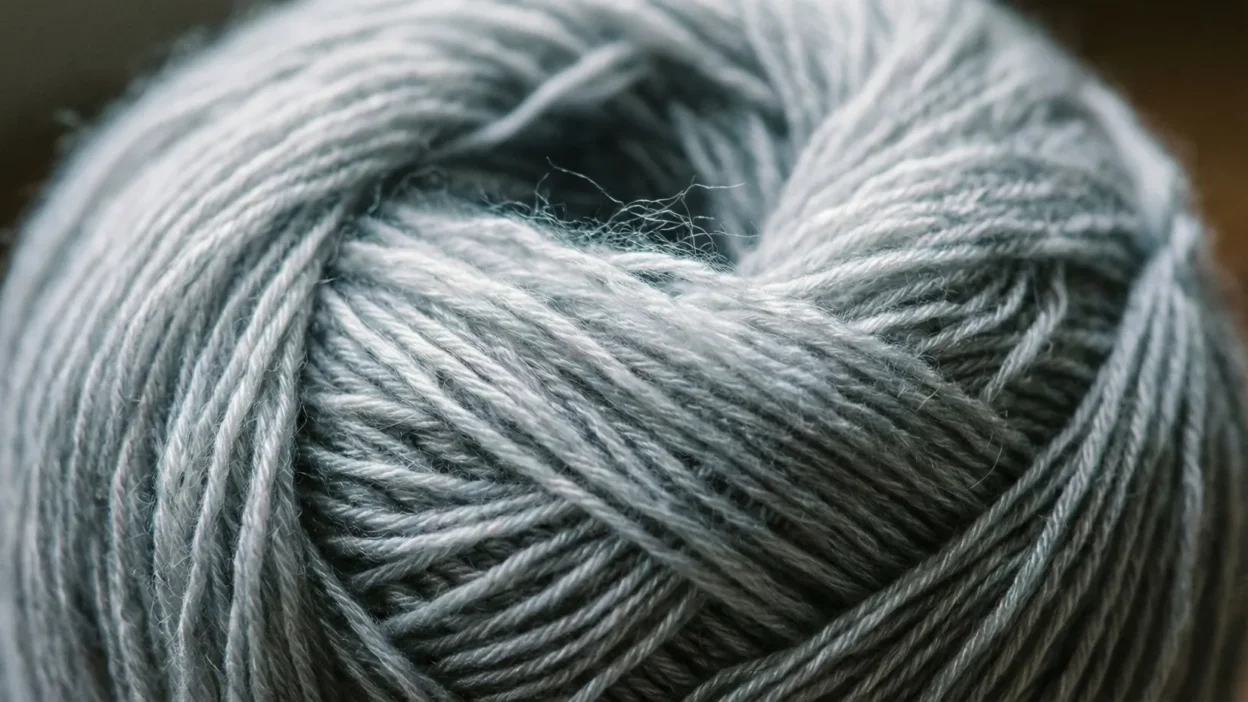
Fingering weight yarn is a fine, lightweight yarn that belongs to the super fine category in the standard yarn weight system. It is thinner than sport weight yarn and thicker than lace weight yarn, making it a versatile option for projects that require detail without extreme delicacy. Because of its thin profile, fingering weight yarn creates a smooth, refined fabric with excellent stitch definition.
You may also see fingering weight yarn referred to by other names, such as sock yarn, 4-ply yarn, or simply fine yarn, depending on the brand or region. While sock yarn is often fingering weight, not all fingering weight yarns are designed specifically for socks. Sock yarn typically includes a small percentage of nylon or another synthetic fiber for added strength, while standard fingering weight yarn may be made entirely from natural fibers.
Fingering weight yarn usually produces a knitting gauge of about 7–8 stitches per inch, though this can vary based on needle size and stitch pattern. Its lightweight nature makes it ideal for projects where drape, comfort, and layering are important. Despite being thin, fingering weight yarn is surprisingly durable and is widely used for both everyday wearables and delicate, decorative pieces.
Fingering Weight Yarn Specifications
Fingering weight yarn is defined not only by how it looks, but also by specific technical standards that help makers choose the right yarn for their projects. One of the most important specifications is gauge. When knitting with fingering weight yarn, the typical gauge ranges from 7 to 8 stitches per inch on needles sized approximately US 1–3 (2.25–3.25 mm). For crochet, fingering weight yarn is commonly worked with hooks between 2.25–3.5 mm, depending on the desired fabric density.
Another key characteristic of fingering weight yarn is yardage. Because it is thin, a single skein often contains a generous amount of yarn—usually between 400 and 460 yards (365–420 meters) per 100 grams. This high yardage makes fingering weight yarn economical for large projects like shawls or lightweight sweaters, where fewer skeins may be needed than expected.
Fingering weight yarn is often constructed with multiple plies, which affects its durability and texture. Higher-ply yarns tend to be stronger and more rounded, while lower-ply versions can feel softer and drapier. These specifications make fingering weight yarn an excellent choice for detailed stitch work, lace patterns, and garments that require both strength and refinement.
Common Fiber Types Used in Fingering Weight Yarn
Fingering weight yarn is available in a wide variety of fibers, and the fiber content plays a major role in how the yarn performs and feels. Wool is one of the most common choices, especially merino wool, which is prized for its softness and elasticity. Wool fingering weight yarn has excellent stitch definition and warmth, making it ideal for socks, shawls, and lightweight sweaters.
Cotton fingering weight yarn is another popular option, particularly for warm-weather garments and baby items. Cotton has little elasticity compared to wool, but it is breathable, durable, and easy to care for. Silk fingering weight yarn adds sheen and drape, often blended with wool to create luxurious fabrics perfect for elegant accessories.
Many fingering weight yarns are blends. For example, sock yarn typically combines wool with nylon to improve strength and longevity in high-wear areas like heels and toes. Blended fibers can balance softness, durability, and elasticity, making them suitable for everyday projects.
Choosing the right fiber depends on the project’s purpose. A delicate lace shawl may benefit from silk or wool blends, while practical items like socks require added durability. Understanding fiber content helps ensure your finished project looks good, feels comfortable, and lasts longer.
What Is Fingering Weight Yarn Used For?
Fingering weight yarn is incredibly versatile and is used for a wide range of knitting and crochet projects. One of its most popular uses is sock making. The fine gauge creates a comfortable, well-fitting fabric that works perfectly inside shoes, while fiber blends with nylon add durability for everyday wear.
Another common use for fingering weight yarn is shawls and wraps. Its lightweight nature allows for beautiful drape, making it ideal for lace patterns, textured stitches, and colorwork. Shawls made with fingering weight yarn are warm without feeling bulky, which makes them suitable for year-round use.
Fingering weight yarn is also widely used for lightweight sweaters, cardigans, and tops. These garments are breathable and easy to layer, especially in transitional seasons. Because the yarn is thin, it produces a refined fabric that highlights stitch detail and shaping.
In addition, fingering weight yarn works well for accessories such as gloves, mitts, hats, and scarves, as well as baby garments, where softness and lightness are essential. While projects may take longer compared to thicker yarns, the finished results are often more polished, detailed, and comfortable to wear, making the extra time well worth it.
Fingering Weight Yarn vs Other Yarn Weights
Understanding how fingering weight yarn compares to other yarn weights can help you choose the right yarn for your project. One of the most common comparisons is fingering weight yarn vs lace weight yarn. Lace weight yarn is significantly thinner and is often used for open, airy lace patterns. Fingering weight yarn, while still fine, offers more structure and durability, making it easier to work with and more suitable for everyday garments.
When comparing fingering weight yarn vs sport weight yarn, the difference is subtle but important. Sport weight yarn is slightly thicker and produces a denser fabric more quickly. Fingering weight yarn creates a lighter, more flexible fabric with finer stitch detail, which is why it’s preferred for socks and intricate designs.
Fingering weight yarn is also much thinner than DK and worsted weight yarns, which are commonly used for faster projects and beginner patterns. DK and worsted yarns create thicker, warmer fabrics but lack the delicate drape and refined texture of fingering weight yarn.
Because fingering weight yarn produces a finer fabric, projects typically take longer to complete. However, the trade-off is a lightweight, polished finish that works beautifully for detailed patterns, layering pieces, and garments worn close to the skin. Knowing these differences makes it easier to match your yarn choice to your project goals.
How to Identify and Substitute Fingering Weight Yarn
Identifying fingering weight yarn is usually straightforward when the yarn label is available. Most labels will list the yarn weight as fingering, sock, or super fine, along with a recommended gauge and needle size. Checking the yardage per skein can also help—fingering weight yarn typically contains around 400 yards per 100 grams.
If a label is missing or unclear, you can use the wraps per inch (WPI) method. Wrap the yarn snugly around a ruler for one inch without overlapping. Fingering weight yarn generally measures 14–18 wraps per inch, placing it between lace and sport weight yarns.
When substituting fingering weight yarn in a pattern, careful planning is essential. Substitutions work best for projects with flexible sizing, such as shawls or scarves. If you replace fingering weight yarn with a slightly thicker yarn, you may need to use smaller needles or adjust stitch counts to maintain the correct gauge.
For fitted garments like sweaters or socks, substitution can be risky. Always knit or crochet a gauge swatch before starting your project. Swatching allows you to test fabric density, drape, and fit, ensuring your substitution produces a finished piece that matches the original design as closely as possible.
Tips for Working With Fingering Weight Yarn
Working with fingering weight yarn can be incredibly rewarding, but it does require a bit more patience and attention than thicker yarns. One of the most important tips is to choose the right needles or hooks. Smooth, sharp needle tips can make it easier to pick up fine stitches, while slightly grippier materials like bamboo can help prevent stitches from slipping.
Maintaining even tension is especially important with thin yarn, as inconsistencies are more noticeable in the finished fabric. Taking breaks can help prevent hand fatigue, since projects made with fingering weight yarn often involve more stitches per row and longer knitting or crochet sessions.
Using good lighting is another helpful tip, as fine yarn can be harder to see, particularly when working with dark colors. Stitch markers are also useful for keeping track of pattern repeats and preventing mistakes in complex designs.
Because fingering weight projects take longer to complete, it’s helpful to set realistic expectations and enjoy the process rather than rushing to finish. Swatching should never be skipped, as small differences in gauge can significantly affect the size and drape of the finished piece. With the right tools and mindset, fingering weight yarn becomes a pleasure to work with and produces beautifully detailed results.
Is Fingering Weight Yarn Good for Beginners?
Fingering weight yarn can be a good choice for beginners, but it depends on the type of project and the crafter’s expectations. Because the yarn is thin, it allows beginners to clearly see individual stitches, which can be helpful for learning stitch structure and improving technique. It also creates lightweight, comfortable fabrics that are ideal for accessories and garments worn close to the skin.
That said, fingering weight yarn does come with some challenges. Projects take longer to complete compared to those made with thicker yarns, which can feel discouraging for beginners who want quick results. The fine strand can also be harder to control at first, especially when maintaining even tension.
For beginners interested in trying fingering weight yarn, starting with simple projects is key. Basic scarves, shawls with straightforward stitch patterns, or beginner-friendly sock patterns are great options. Using slightly larger needles than recommended can also make the yarn easier to handle while still producing a pleasing fabric.
Overall, fingering weight yarn is best for beginners who are patient and enjoy detail-oriented work. With the right project and mindset, it can be an excellent way to build skills and confidence while creating beautiful, wearable items.
Frequently Asked Questions About Fingering Weight Yarn
Is fingering weight yarn the same as sock yarn?
Not exactly. While most sock yarn is fingering weight, not all fingering weight yarn is designed for socks. Sock yarn typically includes nylon or another synthetic fiber for added durability, while standard fingering weight yarn may be made from pure wool, cotton, or silk.
How thin is fingering weight yarn?
Fingering weight yarn is considered a fine or super fine yarn. It usually measures about 14–18 wraps per inch and creates a lightweight fabric with excellent stitch definition.
What needle size should I use for fingering weight yarn?
Most patterns recommend needles between US 1–3 (2.25–3.25 mm) for knitting. Crochet hooks typically range from 2.25–3.5 mm, but the exact size depends on your gauge and project.
Can you crochet with fingering weight yarn?
Yes, fingering weight yarn works beautifully for crochet, especially for lace shawls, lightweight garments, and detailed accessories.
Is fingering weight yarn good for sweaters?
Absolutely. Fingering weight yarn is commonly used for lightweight sweaters and cardigans. While these projects take longer to complete, the finished garments are breathable, comfortable, and ideal for layering.
Conclusion: Is Fingering Weight Yarn Right for You?
Fingering weight yarn may look delicate at first glance, but it is one of the most versatile and rewarding yarn weights available. Its fine texture, generous yardage, and excellent stitch definition make it a favorite for a wide range of projects, from durable everyday socks to elegant shawls and lightweight garments. While it does require more time and patience than thicker yarns, the results are often more refined, comfortable, and long-lasting.
Understanding what fingering weight yarn is—and how it compares to other yarn weights—allows you to make more confident choices when selecting yarn for your projects. By paying attention to gauge, fiber content, and recommended needle or hook sizes, you can achieve beautiful results whether you knit or crochet. Even beginners can successfully work with fingering weight yarn by starting with simple patterns and taking the time to swatch.
Ultimately, fingering weight yarn is an excellent choice if you enjoy detailed work, lightweight fabrics, and timeless designs. If you’ve been curious about trying it, now is the perfect time to explore a fingering weight project and experience its versatility for yourself.

Silva is a passionate writer and thinker dedicated to capturing the essence of life through inspiring quotes and reflections. With a keen eye for words that motivate, uplift, and spark meaningful thought, Silva shares insights that resonate deeply with readers seeking positivity, wisdom, and self-growth. At quoteblom.com, Silva’s work brings a blend of creativity and authenticity, making every quote a moment of inspiration.