
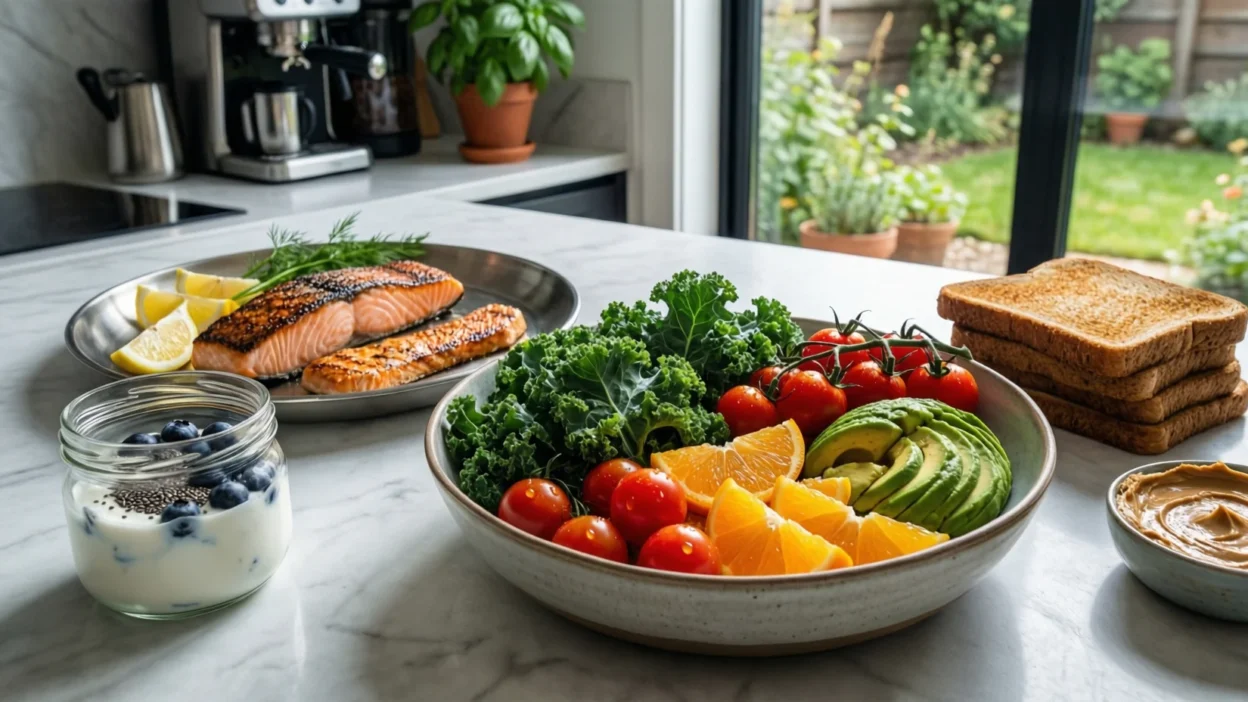
Losing weight doesn’t have to mean starving yourself or following extreme diets. The truth is, the foods you choose can make a huge difference in how quickly and sustainably shed pounds.
With so much conflicting advice online, it’s easy to feel overwhelmed: one source tells you to cut carbs, another says fat is the enemy, and yet another promotes endless calorie counting. The key to lasting weight loss isn’t about restriction it’s about making smart, nutrient-rich choices that fuel your body, keep you full, and support your metabolism.
In this guide, we’ll break down the best foods to eat to lose weight, why they work, and how to incorporate them into your daily meals. Whether you’re a busy professional, a student, or someone just looking to feel healthier, you’ll walk away with practical, science-backed tips to eat well without feeling deprived.
The Science Behind Food and Weight Loss
Understanding the science of weight loss makes choosing the right foods much easier. At its core, weight loss happens when you burn more calories than you consume. But not all calories are created equalwhat you eat affects your metabolism, hunger levels, and how your body stores fat.
Metabolism and Thermic Effect of Food: Some foods, especially protein-rich ones, require more energy to digest. This is called the thermic effect of food, and it means your body burns extra calories just processing these nutrients. Protein also helps preserve muscle, which keeps metabolism active.
Satiety and Hunger Hormones: Foods high in fiber, protein, and healthy fats trigger hormones like leptin and ghrelin, which regulate hunger and fullness. Eating the right combination of these nutrients helps you stay satisfied longer, reducing unnecessary snacking or overeating.
Nutrient Density vs. Empty Calories: Nutrient-dense foodslike vegetables, fruits, whole grains, and lean proteins provide essential vitamins and minerals without excess calories. On the other hand, processed and sugary foods offer “empty calories,” which can spike blood sugar, trigger cravings, and contribute to fat storage.
By focusing on foods that fuel your body, control hunger, and support metabolism, you create a natural, sustainable path to weight loss without restrictive diets or extreme measures. Choosing the right foods is not just about cutting caloriesit’s about eating smart to feel full, energized, and healthy.
Key Foods That Promote Weight Loss
Choosing the right foods can make weight loss simpler and more sustainable. Here are the top categories of foods that help shed pounds while keeping you full and energized.
1. High-Protein Foods: Protein is essential for building and preserving muscle, boosting metabolism, and increasing satiety. Examples include chicken breast, eggs, Greek yogurt, lentils, chickpeas, and tofu. Including protein in every meal can help reduce cravings and keep you full longer.
2. High-Fiber Foods: Fiber slows digestion and stabilizes blood sugar, helping control appetite. Vegetables, fruits, whole grains, oats, and legumes are all excellent sources. High-fiber foods also support gut health, which plays a role in weight management.
3. Healthy Fats: Not all fats are bad. Healthy fats like avocado, olive oil, nuts, seeds, and fatty fish provide energy, support hormone function, and promote satiety. Including moderate amounts of healthy fats can reduce overeating.
4. Low-Calorie, Nutrient-Dense Foods: Foods such as leafy greens, broccoli, zucchini, and berries allow you to eat larger portions without consuming too many calories. These “volume foods” keep you satisfied and provide essential vitamins and minerals.
5. Smart Carbs: Focus on complex carbs like brown rice, quinoa, and sweet potatoes. They release energy slowly, prevent blood sugar spikes, and keep you feeling full for longer.
By prioritizing these foods, you can naturally reduce cravings, control hunger, and accelerate weight loss, all while enjoying nutritious and satisfying meals.
Foods to Limit or Avoid
While choosing the right foods is key for weight loss, knowing which foods to limit is equally important. Certain foods can hinder progress, increase cravings, or contribute to fat storage.
1. Added Sugars: Sugary foods and drinks like sodas, candies, desserts, and sweetened beverages spike blood sugar levels and lead to energy crashes. High sugar intake can also increase fat storage, especially around the belly.
2. Refined Carbs: White bread, pastries, pasta made with refined flour, and most packaged snacks are low in fiber and digest quickly. This causes rapid blood sugar spikes, hunger pangs, and overeating.
3. Processed Foods: Packaged or fast foods often contain unhealthy fats, excess salt, and hidden sugars. They’re high in calories but low in nutrients, making it easy to consume more than you realize.
4. Trans Fats and Hydrogenated Oils: Found in margarine, fried foods, and baked goods, these fats increase inflammation, promote fat storage, and negatively impact heart health.
5. Excess Alcohol: Alcohol is high in empty calories and can lower inhibitions, leading to overeating or poor food choices.
Limiting these foods doesn’t mean cutting them out completely. Occasional indulgence is fine, but making them rare treats rather than daily staples helps you stay on track. By avoiding these calorie-dense, nutrient-poor foods and focusing on whole, natural options, you’ll support steady, sustainable weight loss without feeling deprived.
Practical Tips for Including These Foods in Daily Life
Eating the right foods for weight loss is one thing actually incorporating them into your daily routine is another. Here are some practical strategies to make healthy eating easier and sustainable.
1. Meal Prep: Preparing meals in advance saves time and reduces the temptation to grab unhealthy options. Cook proteins, chop vegetables, or portion snacks at the start of the week so healthy choices are always available.
2. Smart Swaps: Replace high-calorie, processed foods with healthier alternatives. For example, switch white rice for quinoa or brown rice, chips for roasted chickpeas, and sugary drinks for water or green tea.
3. Balance Your Plate: Include a combination of protein, fiber, and healthy fats in every meal. This mix keeps you full longer, stabilizes blood sugar, and reduces cravings. For example, pair grilled chicken with steamed vegetables and a drizzle of olive oil.
4. Portion Control: Even healthy foods can contribute to weight gain if eaten in excess. Use smaller plates, measure servings, or follow simple visual cues like filling half your plate with vegetables.
5. Grocery Shopping Tips: Stick to the perimeter of the store where fresh produce, proteins, and dairy are located. Avoid aisles with highly processed snacks to prevent impulse purchases.
By implementing these practical habits, you make weight-loss-friendly eating effortless and consistent, helping you reach your goals without feeling restricted or stressed.
Sample Meal Plan
To make healthy eating easier, here’s a simple 1-day meal plan that includes foods proven to support weight loss. These meals are balanced, filling, and easy to prepare.
Breakfast:
- 2 boiled eggs or a small portion of Greek yogurt
- ½ cup of oatmeal topped with berries
- A handful of nuts (almonds or walnuts)
Why it works: Protein from eggs or yogurt, fiber from oats and berries, and healthy fats from nuts keep you full for hours.
Mid-Morning Snack:
- A piece of fruit (apple, pear, or orange)
- A few seeds or nuts
Why it works: Provides natural sugars for energy without processed sugar, plus fiber to control hunger.
Lunch:
- Grilled chicken or tofu
- 1 cup of quinoa or brown rice
- Steamed vegetables (broccoli, carrots, or spinach)
Why it works: High protein, complex carbs, and fiber promote satiety and sustained energy.
Afternoon Snack:
- Veggie sticks with hummus or Greek yogurt dip
Why it works: Low-calorie, nutrient-dense, and keeps cravings in check.
Dinner:
- Baked fish or lentils
- A side of roasted vegetables
- Small portion of sweet potato
Why it works: Protein supports muscle maintenance, fiber aids digestion, and complex carbs prevent late-night hunger.
This meal plan is flexible swap proteins, grains, or vegetables based on preference, season, or availability, while still supporting weight loss goals.
Myths and Misconceptions About Weight-Loss Foods
Weight loss can be confusing because of the countless myths circulating online. Understanding the facts can save you time, frustration, and unnecessary restrictions.
Myth 1: “Fat Makes You Fat”
Not all fats are harmful. Healthy fats like avocado, nuts, olive oil, and fatty fish are essential for hormone function, satiety, and brain health. Including moderate amounts of these fats actually supports weight loss by keeping you full and reducing cravings.
Myth 2: “Carbs Are the Enemy”
Cutting all carbs isn’t necessary. Complex carbs like quinoa, brown rice, oats, and sweet potatoes provide energy, stabilize blood sugar, and promote fullness. The problem lies with refined carbs and sugary foods, which can spike insulin and increase fat storage.
Myth 3: “Skipping Meals Helps You Lose Weight Faster”
Skipping meals may seem effective, but it can slow metabolism, increase hunger, and lead to overeating later. Eating balanced meals and snacks helps maintain energy and control appetite.
Myth 4: “All ‘Healthy’ Packaged Foods Aid Weight Loss”
Even foods labeled as “low-fat,” “sugar-free,” or “healthy” can be calorie-dense or highly processed. Whole, minimally processed foods are always the better choice.
By debunking these myths, you can make informed food choices, focus on sustainable habits, and avoid frustration. Weight loss isn’t about restrictionit’s about eating smart, nourishing your body, and building habits that last.
Lifestyle Factors That Boost the Effect of These Foods
Eating the right foods is essential for weight loss, but lifestyle habits play an equally important role in maximizing results. Even the healthiest diet won’t be as effective without supporting habits.
1. Hydration: Drinking enough water helps control hunger, supports digestion, and boosts metabolism. Sometimes, thirst is mistaken for hunger, leading to unnecessary snacking. Aim for at least 8–10 glasses of water per day, and consider herbal teas or infused water for variety.
2. Sleep Quality: Lack of sleep disrupts hormones like leptin and ghrelin, increasing hunger and cravings. Adults need 7–9 hours of sleep per night to maintain energy, regulate appetite, and support metabolism.
3. Regular Physical Activity: Exercise complements a healthy diet by burning calories, preserving muscle, and improving metabolism. Incorporate a mix of strength training, cardio, and daily movement like walking or taking stairs.
4. Mindful Eating: Paying attention to hunger cues and eating slowly can prevent overeating. Avoid distractions like phones or TV during meals, and focus on enjoying your food.
5. Stress Management: Chronic stress raises cortisol, a hormone linked to increased appetite and fat storage. Practices like meditation, yoga, or deep breathing can help manage stress and support weight loss.
By combining nutrient-rich foods with these lifestyle habits, you create a holistic approach to weight loss that’s effective, sustainable, and healthy for both body and mind.
Frequently Asked Questions
1. Can I eat fat and still lose weight?
Yes! Healthy fats, like those in avocado, nuts, seeds, and olive oil, can actually help you feel full and reduce cravings. The key is moderation focused on whole-food sources rather than processed fats.
2. Are carbs bad for weight loss?
Not all carbs are harmful. Complex carbs, such as quinoa, brown rice, oats, and sweet potatoes, provide energy and fiber, which help control hunger. Avoid refined carbs like white bread and sugary snacks.
3. How many meals should I eat per day to lose weight?
There’s no one-size-fits-all answer. Some people do well with three balanced meals, while others prefer smaller meals with snacks. The focus should be on nutrient-rich foods, portion control, and listening to hunger cues.
4. Can I eat out and still stick to weight-loss foods?
Absolutely. Look for grilled proteins, vegetables, salads, and whole grains. Avoid fried foods, creamy sauces, and sugary drinks. Making smart swaps allows you to stay on track even when dining out.
5. How quickly will I see results from eating these foods?
Weight loss varies by individual, depending on factors like metabolism, activity level, and adherence. Consistently eating nutrient-dense foods and avoiding processed options usually leads to gradual, sustainable results over weeks to months.
Conclusion
Choosing the right foods is one of the most powerful tools for achieving sustainable weight loss. By focusing on nutrient-dense, filling, and satisfying foods like lean proteins, fiber-rich vegetables, healthy fats, and complex carbohydrates you can naturally reduce cravings, control hunger, and support your metabolism. Weight loss isn’t about extreme diets or strict restrictions; it’s about making smart choices that fit your lifestyle and are easy to maintain long-term.
It’s equally important to pair these foods with healthy habits. Staying hydrated, getting enough sleep, managing stress, and incorporating regular physical activity all enhance the effectiveness of your diet. Mindful eating/listening to your body’s hunger and fullness cues ensures you enjoy your meals without overindulging.
Remember, progress is a gradual process. Quick fixes or fad diets may give short-term results, but they rarely last. By consistently including the foods outlined in this guide and avoiding processed, high-sugar, and refined items, you create a foundation for long-term success and overall wellness.
Start small swap one unhealthy item for a healthier option, plan one balanced meal, or try one new nutrient-rich food each week. Over time, these small changes add up to big, lasting results. Embrace the journey, focus on nourishing your body, and make food your ally in achieving your weight loss goals.

Silva is a passionate writer and thinker dedicated to capturing the essence of life through inspiring quotes and reflections. With a keen eye for words that motivate, uplift, and spark meaningful thought, Silva shares insights that resonate deeply with readers seeking positivity, wisdom, and self-growth. At quoteblom.com, Silva’s work brings a blend of creativity and authenticity, making every quote a moment of inspiration.