
Choosing the right weighted blanket can feel overwhelming, especially with so many sizes, weights, and materials available. A blanket that’s too heavy can feel restrictive and uncomfortable, while one that’s too light might not provide the calming, sleep-enhancing benefits these blankets are known for.
Weighted blankets work through deep pressure stimulation, which can help reduce anxiety, improve sleep quality, and even support sensory comfort for both adults and children. But the key to maximizing these benefits is selecting the correct weight based on your body size, age, and personal preference.
That’s where a weighted blanket weight chart becomes invaluable. In this guide, we’ll break down everything you need to know from the recommended blanket weight for kids, teens, and adults, to practical tips for choosing the perfect material and size. By the end, you’ll feel confident picking a blanket that’s both comfortable and effective, ensuring a restful, soothing sleep every night.
What Is a Weighted Blanket?
A weighted blanket is a specially designed blanket filled with materials such as glass beads, plastic pellets, or natural fillers to add weight evenly across the body. Unlike regular blankets, the additional weight provides a gentle, consistent pressure that can have a calming effect on the nervous system. This technique, known as deep pressure stimulation (DPS), is similar to the sensation of a comforting hug and has been shown to help reduce stress, anxiety, and improve sleep quality.
Weighted blankets come in a variety of sizes, from small throws to full-sized bed blankets, and the weight typically ranges from 5 pounds to over 25 pounds. The choice of material also affects comfort and temperature. Cotton and bamboo blankets are breathable and ideal for warmer climates, while fleece and mink fabrics provide a softer, cozier feel during colder months.
Originally used in therapy for individuals with sensory processing disorders, weighted blankets have grown in popularity for everyday use by children, adults, and even the older . They are particularly helpful for those struggling with insomnia, anxiety, ADHD, or general restlessness. By evenly distributing gentle pressure across the body, weighted blankets can promote relaxation, reduce nighttime tossing and turning, and encourage longer, more restorative sleep.
Why Blanket Weight Matters
Choosing the right weight for a weighted blanket is crucial because it directly impacts both comfort and effectiveness. A blanket that is too heavy can feel restrictive, making it difficult to move, breathe comfortably, or fall asleep. On the other hand, a blanket that is too light may not provide the deep pressure stimulation needed to promote relaxation and reduce stress. Finding the ideal weight ensures you gain the therapeutic benefits without compromising comfort.
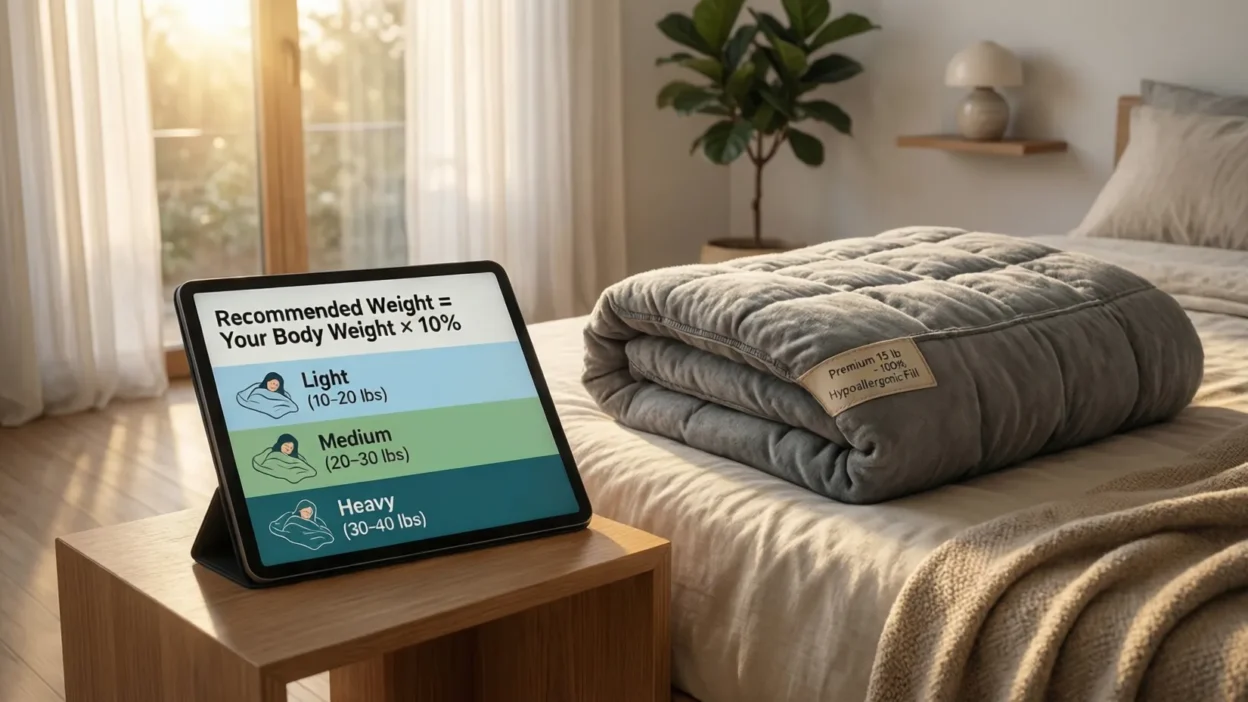
The general guideline is to select a blanket that weighs around 10% of your body weight, plus or minus one or two pounds. For example, a person weighing 150 pounds would typically benefit from a blanket weighing between 14 and 16 pounds. However, personal preference matters too; some people prefer a slightly heavier blanket for extra comfort, while others feel more relaxed with a lighter option.
Weight considerations also vary by age and specific needs. Children require lighter blankets that are easy to manage, while adults can safely use heavier options. older individuals or those with respiratory or mobility concerns may need lighter blankets to avoid strain or discomfort. Ultimately, choosing the correct weight is about balancing effectiveness with comfort, ensuring that your weighted blanket supports restful, stress-free sleep rather than hindering it.
How to Choose the Right Weighted Blanket
Selecting the perfect weighted blanket involves more than just picking a random weightit’s about considering your body weight, age, sleeping style, and personal comfort preferences. The most widely recommended approach is to use the 10% body weight rule, which suggests choosing a blanket that weighs around 10% of your body weight, plus or minus one to two pounds. This ensures that the blanket provides enough pressure to be effective without feeling restrictive.
For children, lightweight blankets are essential. Toddlers and young kids should use blankets specifically designed for their size, usually ranging from 3 to 7 pounds, to ensure safety and ease of movement. Older children and teens can gradually transition to heavier blankets as their body weight increases.
For adults, a blanket weighing 10–25 pounds is common, depending on individual body weight and preference. People with a lighter frame may prefer the lower end of this range, while larger adults often feel more comfortable with a slightly heavier blanket.
Other factors to consider include blanket size and bed dimensions. A twin-size blanket may be sufficient for a single sleeper, whereas a queen or king-size blanket is better for couples or larger beds. Material choice also plays a role: breathable fabrics like cotton or bamboo help regulate temperature, while plush options like fleece or mink provide extra warmth and comfort.
By combining weight, size, and material considerations, you can choose a weighted blanket that is both effective and enjoyable for nightly use.
Weighted Blanket Weight Chart
A weighted blanket weight chart is a simple and effective tool to help you select the ideal blanket based on your body weight. Using the general guideline of 10% of body weight, you can quickly identify the recommended blanket weight for children, teens, and adults. While individual comfort preferences may vary, following a chart ensures you choose a blanket that is both safe and effective.
Here’s a detailed weighted blanket weight chart for quick reference:
| Body Weight | Recommended Blanket Weight | Notes |
| 30–50 lbs | 3–5 lbs | Toddlers and small children |
| 50–70 lbs | 5–7 lbs | Older children |
| 70–100 lbs | 7–10 lbs | Teens or smaller adults |
| 100–130 lbs | 10–13 lbs | Average adult |
| 130–160 lbs | 13–16 lbs | Larger adults |
| 160–190 lbs | 16–19 lbs | Heavier adults |
| 190–220 lbs | 19–22 lbs | Extra-large adults |
| 220+ lbs | 22–25 lbs | Very large adults |
It’s important to remember that this chart is a guideline, not a strict rule. Some people prefer blankets slightly heavier or lighter than the chart recommends for extra comfort. Additionally, the blanket size matters; a larger blanket may feel heavier due to more material, even if the weight falls within the recommended range. By using this chart, you can make an informed decision, ensuring your weighted blanket provides the calming, sleep-enhancing benefits it’s designed for.
Other Factors to Consider
While weight is the most important factor in choosing a weighted blanket, several other elements can significantly affect comfort, usability, and overall effectiveness. Material is one of the first things to consider. Weighted blankets come in a variety of fabrics, including cotton, bamboo, fleece, and mink. Breathable fabrics like cotton and bamboo are ideal for warmer climates or hot sleepers, while plush fabrics like fleece and mink offer extra warmth and a cozy feel during colder months.
Blanket size is another critical factor. A blanket that is too small may not provide enough coverage for full-body pressure, whereas an overly large blanket can be cumbersome to move and store. Twin, full, queen, and king sizes are available, and the right choice often depends on whether the blanket is for a single sleeper or a shared bed.
Seasonal and climate considerations also matter. Lighter blankets are perfect for summer, while thicker, insulated options work well in winter. Some blankets even come with removable covers to adjust for temperature changes.
Finally, maintenance and washability are important for hygiene and longevity. Machine-washable blankets with removable covers are easier to clean, whereas blankets that require spot cleaning may be less practical for daily use. By considering these additional factors alongside weight, you can select a blanket that is not only effective but also comfortable, practical, and tailored to your lifestyle.
FAQs About Weighted Blankets
Weighted blankets are becoming increasingly popular, but many people still have questions about their use, safety, and effectiveness. Here are some of the most frequently asked questions to help guide your choice.
1. Can children safely use weighted blankets?
Yes, but only under supervision. Children should use blankets specifically designed for their weight and age. A general rule is that the blanket should weigh no more than 10% of the child’s body weight. Toddlers and very young children may require smaller, lighter blankets.
2. Are weighted blankets safe for people women?
Weighted blankets are generally safe during pregnancy if used correctly. people women may prefer slightly lighter blankets to avoid pressure on the abdomen. Always consult a healthcare provider if unsure.
3. How long should I use a weighted blanket each night?
There’s no strict limit, but most people benefit from using it for a full night’s sleep. Even short naps under a weighted blanket can help reduce stress and promote relaxation.
4. Can weighted blankets help with anxiety or insomnia?
Yes. The gentle pressure from weighted blankets can reduce cortisol levels, ease tension, and promote deeper sleep. They are often recommended for anxiety, ADHD, sensory processing disorders, and insomnia.
5. How do I know if the blanket is too heavy or too light?
Signs a blanket is too heavy include difficulty moving, discomfort, or overheating. If it feels ineffective or does not provide calming pressure, it may be too light. Adjusting the weight slightly can help achieve the optimal balance.
How to Test Your Weighted Blanket
Once you’ve chosen a weighted blanket based on your body weight and preferences, it’s important to test it to ensure it provides comfort and effectiveness. A blanket that is too heavy or too light can reduce the benefits, so testing helps you find the perfect balance.
Step 1: Lie Down and Relax
Spread the blanket evenly over your body while lying in your usual sleeping position. Make sure it covers your torso and extends to your legs without feeling bunched up. Spend at least 15–20 minutes under the blanket to allow your body to adjust to the pressure.
Step 2: Check for Comfort
The blanket should feel evenly distributed and provide a gentle, comforting pressure. You should be able to move your arms and legs freely, and breathing should feel unrestricted. If you feel any tightness or difficulty moving, the blanket may be too heavy.
Step 3: Evaluate Sleep Quality
Notice how relaxed and calm you feel after using the blanket. Many people experience a sense of calm or slight drowsiness, which is a positive sign that the blanket is effective.
Additional Tips & Best Practices
To get the most out of your weighted blanket, consider a few practical tips and best practices that enhance comfort, durability, and effectiveness.
1. Layering for Comfort
In cooler months, you can layer your weighted blanket with a lighter cover or sheet to adjust warmth without changing the weight. In warmer seasons, use a breathable cover or opt for a lighter blanket to prevent overheating.
2. Consistent Use
For maximum benefits, use your weighted blanket regularly. Consistency helps your body associate the gentle pressure with relaxation, improving sleep quality and reducing stress over time. Even short naps under the blanket can provide calming effects.
3. Proper Maintenance
Follow manufacturer instructions for cleaning and care. Many weighted blankets come with removable, machine-washable covers, which are easier to clean and maintain. Avoid excessive force or harsh detergents to prevent damage to the internal beads or pellets.
4. Adjusting for Preference
Some people prefer slightly heavier or lighter blankets than recommended by the standard weight chart. Don’t hesitate to try different weights within the safe range to find the most comfortable option for you.
5. Storage Tips
When not in use, fold the blanket carefully and store it in a cool, dry place. Avoid hanging it for long periods, as the weight can distort its shape over time.
By following these best practices, you can ensure your weighted blanket remains comfortable, effective, and long-lasting, enhancing both sleep quality and overall relaxation.
Conclusion
Weighted blankets have grown in popularity for a reason they offer a simple yet powerful way to improve sleep, reduce stress, and promote relaxation. However, their effectiveness depends largely on selecting the right weight, size, and material. Using a weighted blanket that is too heavy can feel restrictive and uncomfortable, while one that is too light may not provide the deep pressure stimulation your body needs. By following the general guideline of 10% of your body weight plus or minus one to two pounds, and referencing a reliable weighted blanket weight chart, you can make an informed choice that balances comfort with therapeutic benefits.
Beyond weight, other factors such as blanket size, material, climate, and maintenance play a key role in ensuring both comfort and longevity. Testing the blanket before consistent use, layering for seasonal changes, and following proper care practices help maximize the benefits while keeping the blanket in excellent condition.
Ultimately, the right weighted blanket can transform your sleep routine and support overall well-being. Whether for children, adults, or the older , taking the time to choose carefully ensures that you experience the full calming and restorative effects of this popular sleep aid. Use the chart, consider your personal needs, and enjoy the soothing comfort of a weighted blanket every night.

Silva is a passionate writer and thinker dedicated to capturing the essence of life through inspiring quotes and reflections. With a keen eye for words that motivate, uplift, and spark meaningful thought, Silva shares insights that resonate deeply with readers seeking positivity, wisdom, and self-growth. At quoteblom.com, Silva’s work brings a blend of creativity and authenticity, making every quote a moment of inspiration.