Looking for a simple way to supercharge your workouts and get more results in less time? A weight vest might be exactly what you need. This wearable piece of fitness equipment adds extra resistance to your body, turning ordinary movements like walking, running, or bodyweight exercises into high-intensity workouts.
From boosting calorie burn to strengthening muscles and bones, the benefits of wearing a weight vest extend far beyond just building strength. Athletes, fitness enthusiasts, and even beginners are discovering how this versatile tool can enhance endurance, improve posture, and accelerate fat loss all without complicated gym equipment.
In this article, we’ll dive deep into the science-backed advantages of weight vests, explore how to use them safely, and provide tips for incorporating them into your fitness routine. Whether you’re looking to push your limits or make everyday activities more challenging, a weight vest could be a game-changer.
What is a Weight Vest?
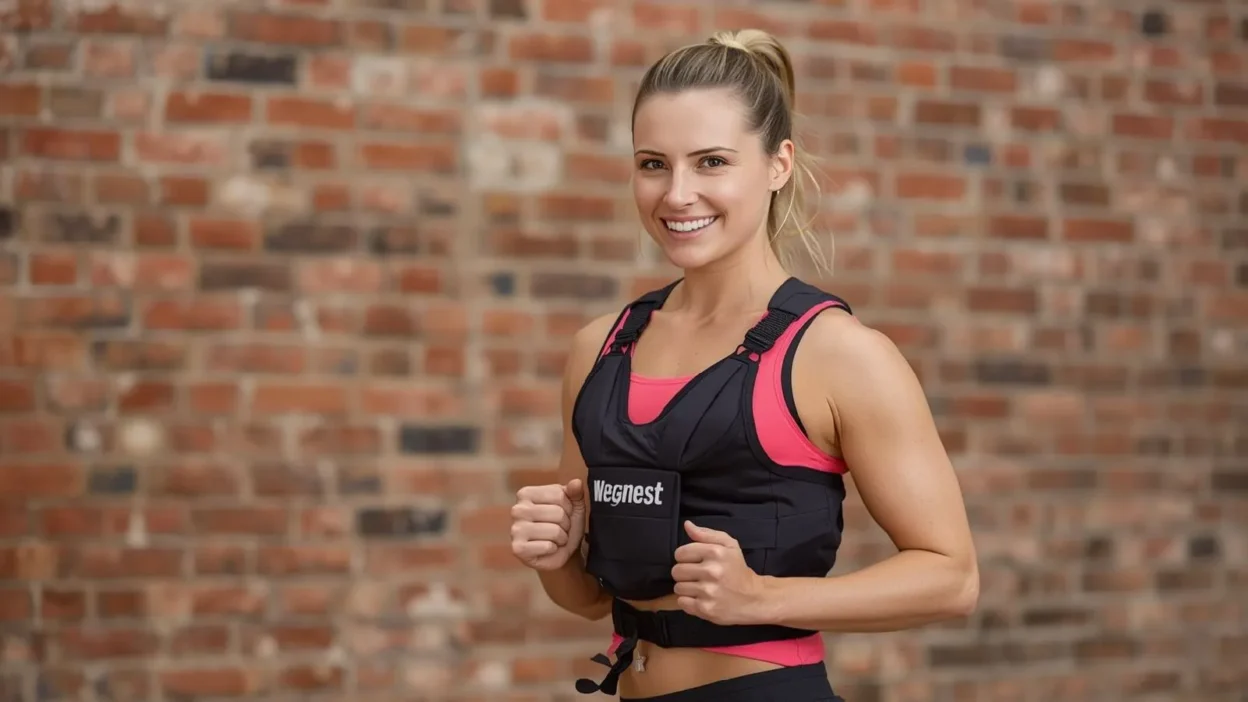
A weight vest is a wearable fitness tool designed to add extra resistance to your body during exercise. Think of it as turning your bodyweight into a more challenging workout. Typically worn over the torso, weight vests come in various designs and weight options to suit different fitness levels and goals.
There are two main types of weight vests: adjustable and fixed-weight. Adjustable vests allow you to add or remove small weights, making them ideal for gradual progression and versatile training. Fixed-weight vests, on the other hand, have a set weight and are often preferred by athletes who want a consistent load during workouts. Materials and design also vary from soft, padded vests for comfort to rigid, tactical-style vests that provide maximum durability.
Weight vests are commonly used in a wide range of exercises. From bodyweight workouts like push-ups, squats, and lunges to running, walking, or even hiking, the extra weight forces your muscles and cardiovascular system to work harder. Over time, this leads to increased strength, endurance, and calorie burn.
Choosing the right weight vest depends on your fitness level, comfort preferences, and intended use. Beginners are advised to start light and gradually increase weight, while experienced users can handle heavier vests for more intense training.
How Weight Vests Work
Weight vests enhance workouts by adding extra resistance to your body, making every movement more challenging. When you wear a vest, your muscles, joints, and cardiovascular system must work harder to support the additional load. This increased effort helps improve strength, endurance, and overall fitness.
From a physiological perspective, wearing a weight vest increases muscle activation. Even simple exercises like squats, push-ups, or lunges recruit more muscle fibers under added load, leading to better strength gains over time. Your core muscles, including the abs and lower back, engage constantly to maintain balance and stability, which also improves posture and functional strength.
Weight vests also affect your cardiovascular system. The added weight increases the intensity of aerobic exercises like running, walking, or stair climbing, causing your heart to pump harder and burn more calories. This makes everyday activities more effective for fat loss and endurance training.
Another key aspect is the impact on bone health. The extra resistance provides mild stress on bones, which can help maintain or even improve bone density over timea benefit particularly useful for seniors or those prone to osteoporosis.
Overall, a weight vest turns ordinary workouts and daily movements into high-intensity, full-body exercises. With consistent use, it enhances strength, endurance, calorie burn, and posture without requiring extra gym equipment.
Key Benefits of Using a Weight Vest
Weight vests offer a wide range of benefits, making them a versatile tool for anyone looking to boost their fitness. One of the most obvious advantages is enhanced strength and muscle activation. By adding extra weight to bodyweight exercises like push-ups, squats, and lunges, your muscles work harder, leading to improved strength, tone, and endurance over time. Core muscles, in particular, are constantly engaged to maintain balance, helping improve posture and stability.
Another major benefit is cardiovascular improvement. Wearing a weight vest during activities such as running, walking, or hiking increases the intensity of your workout. Your heart works harder, boosting aerobic capacity and endurance while burning more calories compared to performing the same activity without added weight. This makes it an efficient way to accelerate fat loss.
Weight vests also support bone and joint health. The extra load applies mild stress to bones, which can stimulate bone density and reduce the risk of osteoporosis. When used correctly, they can also enhance joint stability, making movements safer and more controlled.
Finally, weight vests contribute to functional fitness. By adding resistance during everyday movements like climbing stairs or carrying groceries, they help build practical strength that translates to daily life. Whether your goal is fat loss, endurance, or overall strength, a weight vest is a simple yet effective way to make every movement count.
Who Can Benefit from a Weight Vest
Weight vests are incredibly versatile and can benefit a wide range of individuals, from athletes to beginners. Athletes often use weight vests to increase the intensity of their training. Runners, for example, can wear a vest during sprints or long-distance runs to build endurance and improve speed. Calisthenics enthusiasts use vests to make bodyweight exercises like pull-ups and push-ups more challenging, accelerating strength and muscle gains.
Fitness beginners can also benefit, provided they start with a light vest and gradually increase weight. Even simple exercises become more effective, helping newcomers develop strength, stability, and confidence in their workouts.
Seniors or older adults can gain from weight vests as well. Light to moderate resistance can stimulate bone growth, improve balance, and enhance functional strength for everyday tasks like climbing stairs or carrying groceries. This helps maintain independence and reduces the risk of falls.
Weight vests are also useful for those focused on weight loss. Adding extra resistance to cardio or daily activities increases calorie burn and speeds up fat loss without requiring longer workout sessions.
However, it’s important to note that weight vests aren’t suitable for everyone. Individuals with certain joint issues, back problems, or medical conditions should consult a doctor before use. With proper guidance and gradual progression, most people can safely enjoy the benefits of incorporating a weight vest into their fitness routine.
Safety Tips and Precautions
While weight vests offer numerous benefits, using them incorrectly can lead to injury or strain. Safety should always be a priority, especially for beginners or those with pre-existing conditions.
Start light and progress gradually. Begin with a vest that adds only a small percentage of your body weighttypically 5–10%and increase gradually as your strength and endurance improve. Overloading too quickly can strain muscles, joints, and the lower back.
Ensure proper fit. A vest that is too loose can shift during exercise, causing imbalance and discomfort, while a vest that is too tight may restrict breathing or movement. Look for adjustable straps and padding for maximum comfort and stability.
Focus on form. When performing exercises with added weight, maintaining proper technique is crucial. Poor form under added resistance can lead to joint stress or muscle injury. Take time to master movements without a vest before adding weight.
Limit duration and intensity. Avoid wearing a vest for prolonged periods or during high-impact activities like jumping if you are a beginner. Listen to your body pain or discomfort is a warning sign to reduce weight or take a break.
Consult a professional if needed. Individuals with back, knee, or cardiovascular issues should seek guidance from a doctor or certified trainer before incorporating a weight vest.
By following these precautions, you can safely enjoy the benefits of a weight vest while minimizing the risk of injury.
How to Incorporate a Weight Vest Into Your Routine
Using a weight vest effectively requires thoughtful integration into your workouts. One of the simplest ways to start is by adding it to bodyweight exercises. Push-ups, squats, lunges, and pull-ups all become more challenging with added resistance, helping to build strength and endurance faster. Start with one or two sets and gradually increase repetitions as your body adapts.
Cardio workouts are another great opportunity. Wearing a weight vest during running, walking, hiking, or stair climbing increases the intensity of each session, boosting calorie burn and cardiovascular fitness. Even moderate walks become more effective, making daily activity more productive.
Weight vests also work well in HIIT or circuit training. Alternating between high-intensity exercises with added weight and short recovery periods can maximize fat burn, improve aerobic capacity, and build muscular endurance simultaneously.
For functional fitness, you can wear a weight vest during everyday tasks like carrying groceries, cleaning, or climbing stairs. This adds resistance to routine movements, helping you build strength and stamina in a practical, real-world way.
Tips for success: Begin with light weight, focus on maintaining proper form, and gradually increase intensity. Consistency is keyshort, frequent sessions are often more effective than occasional heavy workouts. With smart integration, a weight vest can transform both exercise sessions and daily activity into full-body, high-intensity workouts.
Choosing the Right Weight Vest
Selecting the right weight vest is crucial to ensure both safety and effectiveness. The ideal vest depends on your fitness level, goals, and the types of exercises you plan to perform.
Weight and adjustability are the first considerations. Beginners should start with lighter vestsusually 5–10% of their body weight to avoid strain. Adjustable vests are highly versatile, allowing you to add or remove weight as your strength and endurance improve. Fixed-weight vests offer consistent resistance and are often preferred by advanced users or athletes looking for steady load during workouts.
Comfort and fit are equally important. Look for vests with padding and adjustable straps that prevent slipping or chafing. A poorly fitting vest can cause discomfort, reduce mobility, and increase the risk of injury. Some designs distribute weight evenly across the torso, which helps maintain balance during dynamic movements.
Material and durability also matter. Lightweight fabrics with breathability are ideal for longer workouts, while rugged tactical-style vests are better for high-intensity training or outdoor activities.
Finally, consider your budget and goals. There are vests ranging from affordable beginner-friendly models to high-end professional options. For general fitness, a moderately priced adjustable vest is sufficient, while serious athletes may benefit from premium, durable designs.
By choosing the right vest that balances weight, comfort, and durability, you can maximize the benefits of your workouts safely and efficiently.
Common Myths About Weight Vests
Weight vests are an effective fitness tool, but several myths and misconceptions can discourage people from using them. Understanding the facts helps you use them safely and effectively.
Myth 1: “Heavier is always better.” Many assume that wearing a heavier vest automatically delivers better results. In reality, excessive weight can lead to poor form, joint strain, or injury. Progression should be gradually start light and increase weight as your strength and endurance improve.
Myth 2: “Weight vests are only for athletes.” While athletes commonly use them, anyone can benefit, from beginners to seniors. Even light vests can enhance everyday movements, improve posture, and increase calorie burn, making them suitable for a wide range of fitness levels.
Myth 3: “Weight vests damage joints permanently.” When used correctly, vests do not harm joints. Proper fit, moderate weight, and correct exercise technique are key to safe usage. Overuse or incorrect form, not the vest itself, causes problems.
Myth 4: “You must wear a vest for every workout.” Continuous use isn’t necessary. Weight vests are best integrated gradually and strategically into workouts for optimal results, not as a constant load.
By debunking these myths, you can approach weight vest training confidently, understanding how to maximize its benefits while minimizing risks. Used correctly, weight vests are a safe, versatile tool for strength, endurance, and functional fitness.
Scientific Studies and Expert Opinions
The benefits of weight vests are backed by both research and expert experience, making them a credible addition to any fitness routine. Several studies have shown that adding external weight to bodyweight exercises increases muscle activation, endurance, and calorie burn. For example, research on runners wearing weighted vests found improvements in aerobic capacity and running economy, indicating better cardiovascular performance over time.
Strength and resistance training studies also support their effectiveness. Participants performing squats, lunges, and push-ups with weight vests experienced greater improvements in muscle strength and core stability compared to those performing the same exercises without added resistance. Experts highlight that the constant engagement of stabilizing muscles contributes to improved posture, balance, and functional strength.
Physical therapists and trainers often recommend weight vests for older adults as a safe way to maintain bone density. The mild, consistent load applied to the skeleton can stimulate bone growth and reduce the risk of osteoporosis.
Fitness professionals also emphasize proper usage: start light, focus on form, and progress gradually. Certified trainers often integrate vests into HIIT, calisthenics, and functional training programs for measurable results.
Overall, scientific evidence and professional experience both indicate that when used correctly, weight vests are a safe, effective tool to boost strength, endurance, and overall fitness, benefiting people of all ages and training levels.
FAQs About Weight Vests
1. How long should I wear a weight vest?
For beginners, start with 10–20 minutes per session and gradually increase as your strength and endurance improve. Advanced users can wear a vest for longer workouts, but it’s important to listen to your body and avoid overuse.
2. Can I use a weight vest every day?
Daily use is possible but not necessary. Incorporate it into 3–5 workouts per week, allowing your muscles and joints time to adapt. Rest days are essential to prevent strain or injury.
3. What is the best weight for a beginner?
Start with 5–10% of your body weight. This provides enough resistance to challenge muscles without risking injury. Gradually increase weight as your fitness improves.
4. Are weight vests safe for seniors?
Yes, when used correctly. Light to moderate vests can improve bone density, balance, and functional strength. Seniors should consult a doctor or trainer before beginning use.
5. Can a weight vest help with weight loss?
Absolutely. Adding a vest increases calorie burn during exercise and daily activities, making workouts more efficient for fat loss.
6. What exercises are best with a weight vest?
Bodyweight exercises like squats, push-ups, lunges, and pull-ups are ideal, as well as cardio activities like running, walking, or stair climbing.
7. How do I choose the right vest?
Look for proper fit, adjustable weight, comfort, and durability based on your fitness goals and experience level.
Conclusion
Weight vests are a simple yet highly effective tool for anyone looking to maximize their workouts and improve overall fitness. By adding resistance to bodyweight exercises, cardio sessions, and even everyday movements, they help increase muscle strength, core stability, endurance, and calorie burn. The added weight also provides benefits for bone health, making them useful for older adults seeking to maintain functional strength and reduce the risk of osteoporosis.
One of the greatest advantages of weight vests is their versatility. They can be incorporated into a wide range of activities, from push-ups and squats to running, hiking, and HIIT workouts. Beginners, athletes, and seniors alike can benefit by choosing the right weight, starting gradually, and focusing on proper form.
Safety is key using a vest that fits well, progressing gradually, and following expert recommendations ensures you gain maximum benefits while minimizing the risk of injury. Scientific studies and expert opinions consistently highlight their effectiveness in building strength, improving cardiovascular performance, and boosting overall fitness.
Incorporating a weight vest into your routine transforms ordinary workouts and daily activities into high-intensity, full-body exercises. Whether your goal is weight loss, endurance, strength, or functional fitness, a weight vest can help you achieve measurable results efficiently and safely. With the right approach, it’s a fitness tool that truly takes every movement to the next level.

Joseph is a passionate writer and quote curator at QuoteBlom.com, dedicated to bringing inspiration, wisdom, and a touch of motivation to every reader. With a keen eye for meaningful words and life-changing insights, Joseph carefully selects and shares quotes that uplift, empower, and spark thoughtful reflection. Whether you’re looking for a daily dose of positivity, love, or life advice, Joseph’s writings are designed to resonate with readers from all walks of life, making each visit to QuoteBlom.com a journey of inspiration.