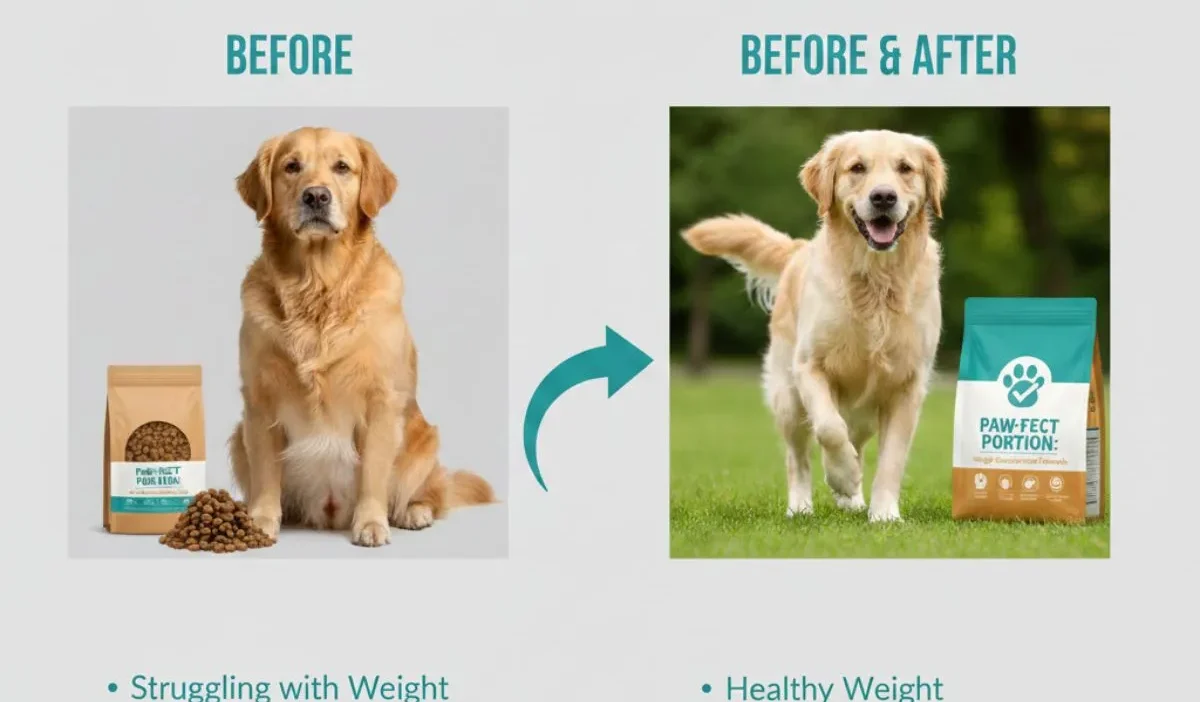
As pet owners, we want the best for our furry companions, and one of the most important aspects of their well-being is maintaining a healthy weight. Dog obesity is an increasing concern, leading to a range of health issues such as joint problems, diabetes, and heart disease.
Fortunately, the right diet can make a significant difference in helping your dog lose weight safely and effectively. Vet-recommended dog food is specially designed to provide all the essential nutrients your dog needs while promoting weight loss.
In this article, we’ll explore the best weight loss foods recommended by veterinarians, the science behind their ingredients, and how they can help your dog shed those extra pounds. Whether your dog is slightly overweight or struggling with obesity, the right food can help them lead a longer, healthier life. Let’s dive into how you can take charge of your dog’s weight management today!
Why Dog Weight Loss is Important
Obesity in dogs is more than just an aesthetic issue—it’s a serious health concern. Just like in humans, excess weight puts unnecessary strain on a dog’s body, leading to joint pain, decreased mobility, heart problems, diabetes, and even a shorter lifespan. In fact, studies show that overweight dogs are more likely to develop severe health conditions as they age.
As a pet owner, it’s important to recognize the signs of obesity early on. Common indicators include difficulty walking, labored breathing, a round or bulging belly, and a noticeable lack of energy. If you notice these symptoms in your dog, it’s time to take action. Consulting with a veterinarian is the first step in creating a safe and effective weight loss plan. Vets will evaluate your dog’s health, consider factors like age and breed, and help design a balanced diet that supports gradual weight loss.
Weight loss should never be rushed. Quick weight loss can lead to other health issues, such as malnutrition or muscle loss. A steady and sustainable approach, with the right food and exercise plan, is the key to helping your dog achieve and maintain a healthy weight. It’s never too late to help your dog live a longer, healthier life.
Key Factors in Dog Weight Loss Diets
When it comes to helping your dog lose weight, the right diet plays a crucial role. Vet-recommended dog foods are specifically formulated to support weight loss while providing balanced nutrition. Here are some key factors to consider when choosing the best dog food for weight management:
- Calorie Control
Many weight loss dog foods are lower in calories but still nutrient-dense, helping your dog feel full without overeating. Calorie control is essential in any weight loss plan, as consuming fewer calories than the body burns is the foundation of weight loss. - High Protein and Fiber
Protein is important for maintaining muscle mass during weight loss, and fiber helps to keep your dog feeling satisfied longer. Look for foods with a high-quality protein source like chicken or turkey and those that include fiber-rich ingredients like sweet potatoes or peas. These components help promote healthy weight loss while supporting your dog’s metabolism. - Low Fat Content
Fat is a necessary nutrient, but for overweight dogs, it should be in moderation. Low-fat dog foods help control calorie intake without sacrificing essential fatty acids that promote healthy skin and coat.
Choosing a balanced food that targets all of these factors ensures your dog gets the right nutrients while shedding excess weight.
Top Vet-Recommended Dog Foods for Weight Loss
When it comes to weight loss, not all dog foods are created equal. Vet-recommended options are formulated to help your dog shed pounds safely and effectively, while still providing the nutrients they need to stay healthy. Below are some of the top dog foods that veterinarians often recommend for weight loss:
- Hill’s Prescription Diet Metabolic Weight Management
This food is designed specifically to help dogs lose weight and maintain their ideal body condition. It contains a unique blend of fibers and natural ingredients that promote satiety and support healthy metabolism. Many vets endorse Hill’s Metabolic for its proven track record in aiding weight loss in dogs of all sizes. - Royal Canin Veterinary Diet Satiety Support
Royal Canin’s Satiety Support formula is rich in fiber and low in fat, designed to promote fullness while reducing hunger. It’s often recommended for dogs with a tendency to overeat. This food also contains nutrients that support joint health, a common concern for overweight dogs. - Purina Pro Plan Veterinary Diets Overweight Management
This food is formulated to help dogs lose weight while preserving lean muscle mass. It’s made with high-quality protein and has a controlled fat content to ensure steady weight loss without sacrificing energy.
Each of these vet-recommended options supports your dog’s health while promoting safe and sustainable weight loss.
Understanding Ingredients to Look for in Weight Loss Foods
When choosing the right dog food for weight loss, it’s essential to understand the role of various ingredients and how they contribute to a healthy weight management plan. Here are some key ingredients to look for in weight loss dog food:
- Low Glycemic Index Carbohydrates
Carbohydrates that are low on the glycemic index (GI) help regulate blood sugar levels and prevent sudden spikes, which can contribute to fat storage. Foods containing brown rice, sweet potatoes, or barley are excellent choices as they provide slow-digesting energy and promote steady weight loss. - High-Quality Protein
Protein is crucial for maintaining lean muscle mass during weight loss. It helps keep your dog feeling satisfied and reduces the risk of muscle loss, which can occur when calories are restricted. Look for dog foods with high-quality, animal-based proteins like chicken, turkey, or fish. Protein helps boost metabolism and supports healthy organ function. - Fiber for Satiety
Fiber-rich foods keep your dog feeling fuller for longer, which can prevent overeating and help control portion sizes. Ingredients like pumpkin, peas, and lentils are good sources of fiber that also support digestion. Adequate fiber intake reduces hunger and supports healthy weight loss. - Omega-3 Fatty Acids
Omega-3 fatty acids, found in fish oil and flaxseed, are essential for maintaining healthy skin and coat. They also help reduce inflammation and promote overall health, especially in overweight dogs who may experience joint issues due to extra weight.
How to Transition Your Dog to a Weight Loss Diet
Transitioning your dog to a weight loss diet should be done gradually to avoid digestive upset and ensure they adapt to the new food. Sudden changes can lead to stomach issues, so it’s important to introduce the new food slowly over the course of 7–10 days. Here’s how to do it:
- Gradual Food Transition
Start by mixing a small amount of the new food with your dog’s current food. Gradually increase the proportion of the new food while decreasing the old food over the course of a week to 10 days. This slow transition helps prevent gastrointestinal problems like diarrhea or vomiting. - Monitor Your Dog’s Reaction
Keep an eye on how your dog responds to the new food. Watch for any signs of digestive upset, such as diarrhea or a lack of appetite. If these symptoms persist, consider switching to a different weight loss food or consulting your vet for alternatives. - Adjust Portion Sizes
Be mindful of portion control. Even the healthiest weight loss food can lead to weight gain if portions are too large. Use the feeding guidelines on the packaging as a starting point, but adjust based on your dog’s activity level and progress. Your vet can help you determine the right portion size for your dog’s weight loss goals.
Common Pitfalls to Avoid in Dog Weight Loss
While it’s important to stay focused on your dog’s weight loss journey, there are several common mistakes that can derail progress. Avoiding these pitfalls will help ensure that your dog loses weight safely and effectively.
- Overfeeding Treats or Table Scraps
It’s easy to give in to your dog’s begging, but high-calorie treats and table scraps can quickly sabotage a weight loss plan. Opt for low-calorie, healthy dog treats, and make sure to account for them in your dog’s daily caloric intake. Remember, even small amounts can add up over time. - Not Measuring Food Accurately
Free-feeding or eyeballing portion sizes can lead to overfeeding, even if you’re offering the right food. Always measure your dog’s food using a cup or kitchen scale to ensure you’re sticking to the recommended portion sizes. Overfeeding can lead to slower progress or even weight gain. - Expecting Quick Results
Weight loss takes time, and it’s crucial to be patient. Aim for gradual, steady weight loss of 1-2% of your dog’s body weight per week. Rapid weight loss can cause muscle loss and nutritional imbalances, so be sure to follow a sustainable, long-term plan. - Neglecting Exercise
While diet plays a huge role, regular exercise is essential for supporting weight loss. Skipping walks or playtime can slow progress, so make sure your dog stays active alongside their new diet.
Exercise and Other Tips for Dog Weight Loss
While diet plays a pivotal role in your dog’s weight loss journey, regular exercise is equally important. Combining the right food with increased physical activity helps your dog burn calories, build muscle, and maintain a healthy weight in the long term.
- Physical Activity for Weight Loss
Regular exercise not only helps your dog shed excess pounds but also keeps their muscles and joints healthy. Depending on your dog’s size and energy level, activities like daily walks, fetch, or swimming can make a significant difference. Aim for at least 30 minutes to an hour of exercise per day, but consult your vet to determine the appropriate level of activity for your dog’s age and health. - Mental Stimulation
Mental stimulation plays a key role in weight loss, especially for dogs that may be prone to boredom-induced overeating. Interactive toys, puzzle feeders, and scent games can keep your dog mentally engaged and prevent them from turning to food out of frustration or boredom. Plus, a tired dog is a happy dog! - Hydration
Always ensure your dog has access to fresh water throughout the day. Sometimes dogs may mistake thirst for hunger, leading to unnecessary eating. Keep water bowls filled to keep your dog hydrated and support their metabolism during weight loss.
Frequently Asked Questions
- What’s the best food for a dog that’s just a little overweight?
For dogs with mild weight issues, a high-quality, balanced food with moderate calories and added fiber is ideal. Look for options that provide protein and fiber to help manage hunger, like Hill’s Ideal Balance or Wellness CORE. - Can I feed my overweight dog regular food if I reduce the portion size?
While portion control is crucial, it’s better to switch to a specifically formulated weight loss food. Regular food may not provide the correct balance of nutrients needed for safe weight loss, such as lower fat and higher fiber content. - How much weight should a dog lose per week?
Dogs should ideally lose 1-2% of their body weight per week. Rapid weight loss can be harmful, so it’s important to take a gradual approach. Consult your vet to set a safe weight loss goal. - Can I mix different weight loss foods together?
Mixing different weight loss foods is generally fine, but it’s best to stick to one vet-recommended formula at a time to ensure consistency. If you want to try multiple foods, do so gradually and monitor your dog’s response. - Is it okay to give my dog treats during their weight loss journey?
Low-calorie treats can be incorporated into a weight loss plan, but they should be counted as part of your dog’s daily caloric intake. Opt for healthy, low-calorie options like baby carrots or apple slices.
Conclusion
Achieving and maintaining a healthy weight is essential for your dog’s overall well-being. Overweight dogs are at risk for various health issues, including joint problems, diabetes, and a reduced lifespan. By choosing the right vet-recommended weight loss food, along with consistent exercise and portion control, you can help your dog shed those extra pounds safely and effectively.
It’s important to remember that weight loss for dogs should be a gradual process. Rapid weight loss can lead to muscle loss and other complications, so patience and consistency are key. Work closely with your vet to track your dog’s progress and make necessary adjustments to their diet and exercise routine.
Alongside a balanced diet, incorporating more physical activity, mental stimulation, and proper hydration will further support your dog’s weight loss journey. With the right food and a holistic approach to health, your dog can achieve and maintain an ideal weight, leading to a longer, happier, and healthier life.
Take the first step toward better health for your dog today by consulting with your vet and selecting the best weight loss food that suits their needs. Together, you can help them reach their optimal weight and live their best life.

Silva is a passionate writer and thinker dedicated to capturing the essence of life through inspiring quotes and reflections. With a keen eye for words that motivate, uplift, and spark meaningful thought, Silva shares insights that resonate deeply with readers seeking positivity, wisdom, and self-growth. At quoteblom.com, Silva’s work brings a blend of creativity and authenticity, making every quote a moment of inspiration.