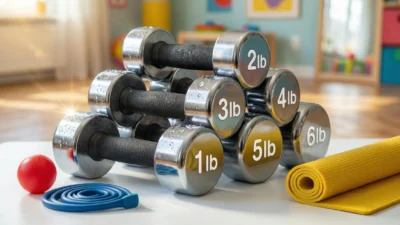
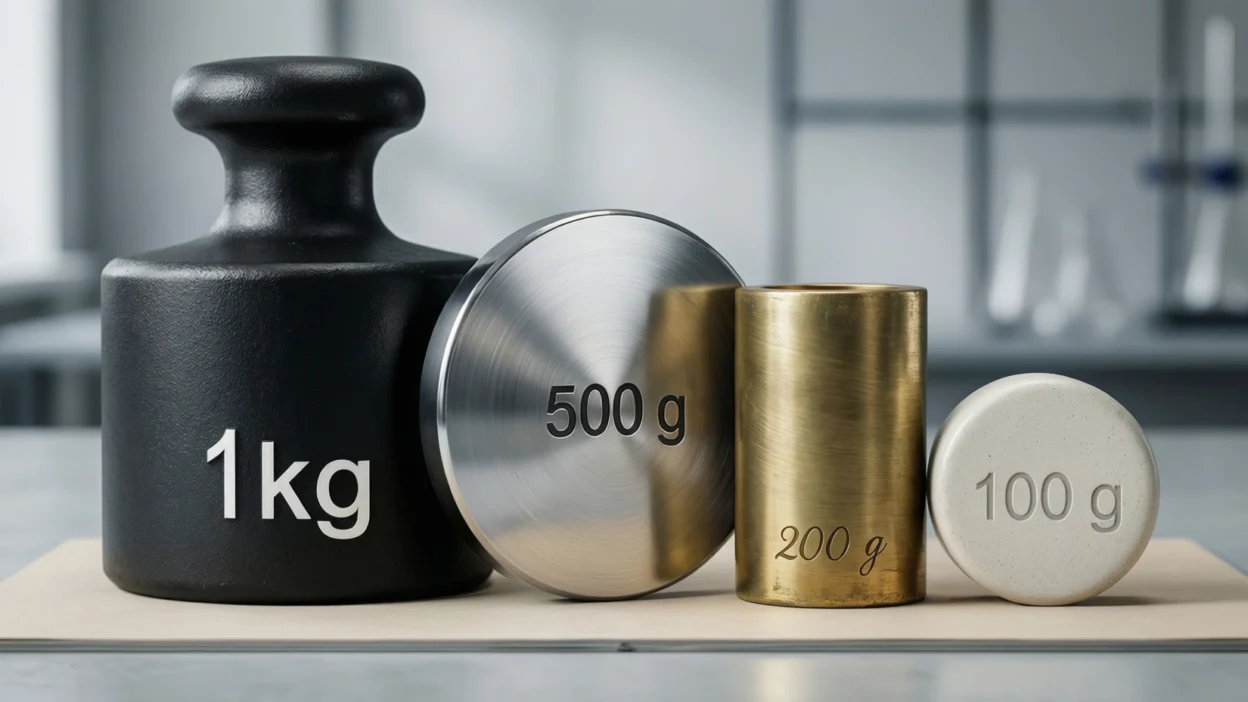
Weight is something we encounter every day, from the groceries we buy to the equipment we use at the gym. Yet, the units used to measure weight can vary widely, often causing confusion. Understanding these units is essential not just for scientists and engineers, but for anyone navigating daily life.
Different countries and industries use different measurement systems, with the metric system dominating most of the world, while the imperial system remains common in the United States and the UK.
Beyond grams, kilograms, and pounds, there are specialized units like carats for gemstones, stones for body weight in the UK, and even ancient units that shaped trade centuries ago. Knowing how these units relate, how to convert between them, and their historical context can make tasks like cooking, shipping, or scientific measurement far more precise and understandable. This article will explore all major units of weight, their applications, and practical tips for converting between them.
Understanding Weight
Weight is often used interchangeably with mass, but scientifically, the two are distinct. Mass refers to the amount of matter in an object, while weight measures the force exerted by gravity on that mass. In simple terms, weight tells us how heavy something feels, whereas mass remains constant regardless of location. For example, a 10-kilogram object weighs less on the Moon than on Earth because gravity is weaker, but its mass stays the same.
Understanding weight is crucial in daily life, science, and industry. In everyday contexts, we rely on weight when cooking ingredients, monitoring body weight, or measuring luggage. In scientific and industrial settings, precise weight measurements are vital for experiments, manufacturing, shipping, and trade. Even small errors in measurement can lead to costly mistakes.
Units of weight exist to standardize these measurements, making them comparable and usable worldwide. Different systemslike the metric system, imperial system, or specialized units serve various purposes depending on region, industry, or tradition. Knowing how these units relate, and being able to convert between them, allows us to work confidently across contexts.
In the following sections, we’ll explore the most common systems of weight measurement, their historical roots, practical applications, and tips for accurate conversions.
Metric System
The metric system, also known as the International System of Units (SI), is the most widely used system of weight measurement in the world. It is decimal-based, meaning it relies on multiples of ten, which makes conversions straightforward and consistent. At its core, the gram (g) serves as the basic unit of weight. Small weights, such as spices or chemicals, are often measured in milligrams (mg), where 1 gram equals 1,000 milligrams. For everyday objects, the kilogram (kg) is the standard, with 1 kilogram equal to 1,000 grams. Large-scale measurements, such as for shipping or industry, use the metric ton (t), which equals 1,000 kilograms.
One key advantage of the metric system is its simplicity in converting between units. For example, moving from grams to kilograms only requires dividing by 1,000, and moving from kilograms to metric tons involves the same process. This uniformity has made the metric system the preferred choice for scientific research, international trade, and most countries worldwide.
Additionally, the metric system ensures precision in applications where accuracy is crucial, such as medicine, engineering, and laboratory experiments. Its universal adoption allows professionals across different regions to communicate measurements clearly, avoiding confusion caused by regional variations in weight units.
Imperial System
The Imperial system, sometimes called the British or US customary system, is still widely used in the United States and parts of the United Kingdom. Unlike the decimal-based metric system, the Imperial system uses a variety of units with less uniform relationships, which can make conversions more complex.
The ounce (oz) is one of the smallest common units, often used for food, small packages, or precious metals. There are 16 ounces in a pound (lb), which is the most familiar Imperial unit for everyday weight, such as body weight or grocery items. In the UK, larger weights are sometimes measured in stones (st), with 1 stone equal to 14 pounds. For very heavy items, the system uses tons, but the definitions differ: a short ton in the US equals 2,000 pounds, while a long ton in the UK equals 2,240 pounds.
The Imperial system has deep historical roots, dating back to medieval England, when units were based on physical objects or body parts. Despite its age, it remains practical for many everyday uses in countries that prefer it, particularly for non-scientific contexts.
While less consistent than the metric system, the Imperial system is still widely understood, especially in commerce, construction, and personal weight measurement. Learning to convert between Imperial and metric units is essential for travel, international trade, and scientific understanding, ensuring accurate communication across different regions.
Other Units of Weight
Beyond the metric and Imperial systems, there are several specialized and historical units of weight that are still relevant in certain contexts. One of the most commonly known is the carat (ct), used for measuring gemstones and pearls. One carat equals 0.2 grams, allowing jewelers and buyers to precisely evaluate the weight and value of precious stones.
In scientific fields, extremely small weights are measured in atomic mass units (amu), which quantify the mass of individual atoms and molecules. This unit is essential in chemistry and physics, where accuracy at a microscopic scale is critical. Similarly, milligrams (mg) and micrograms (µg) are used in medicine for precise dosing of drugs and supplements.
Historical and regional units of weight also exist, often reflecting the trade practices of past civilizations. For example, the grain, dram, and quintal were used for agricultural and commercial goods, while catties are still used in parts of Asia for measuring produce and livestock. These units may seem obscure today, but understanding them can help interpret historical records, trade documents, and cultural references.
Although less common in everyday use, these units demonstrate the diversity and evolution of weight measurement throughout human history. Awareness of these specialized and historical units enriches our understanding of measurement systems and highlights how human societies have developed practical ways to quantify objects across different scales and industries.
Conversion Between Units
Being able to convert between different units of weight is essential in both daily life and professional contexts. Since the world uses multiple measurement systems, understanding how to switch between them ensures accuracy and prevents mistakes.
Metric to Metric conversions are straightforward because the system is decimal-based. For example, 1 kilogram equals 1,000 grams, and 1 metric ton equals 1,000 kilograms. This simplicity makes calculations easy and reduces errors.
Converting between Imperial units requires remembering fixed ratios. 1 pound equals 16 ounces, while 1 stone equals 14 pounds. For heavier weights, a short ton (US) equals 2,000 pounds, and a long ton (UK) equals 2,240 pounds. Because these ratios are not multiples of ten, mental calculations can be trickier, and using a calculator or conversion table is often helpful.
Metric to Imperial conversions are commonly needed for international travel, trade, or scientific research. For instance, 1 kilogram ≈ 2.2046 pounds, and 1 pound ≈ 0.4536 kilograms. Small differences in rounding can matter in precise applications like medicine or engineering.
To simplify conversions, people often use conversion charts, online calculators, or smartphone apps. Learning a few key equivalences, such as kilograms to pounds and grams to ounces, can make most day-to-day conversions quick and reliable.
Applications of Weight Units
Weight units are not just abstract numbers they play a vital role in everyday life, industry, and science. In daily activities, we constantly rely on weight measurements. Cooking and baking, for example, often require precise amounts of ingredients measured in grams, ounces, or cups. Body weight tracking for health and fitness uses kilograms, pounds, or stones depending on the country, while shipping luggage or parcels depends on accurate weight measurement to avoid extra fees.
In industrial and commercial settings, weight is crucial for trade, construction, and manufacturing. Raw materials like metal, timber, or cement are measured in kilograms, tons, or pounds, ensuring consistency and safety in production. Freight companies rely on weight to calculate shipping costs and comply with legal regulations. Even small discrepancies can result in significant financial or operational consequences.
Scientific fields demand even greater precision. Laboratory experiments, chemical formulations, and pharmaceutical dosing require exact measurements down to milligrams or micrograms. Astronomers, engineers, and chemists often use specialized units such as atomic mass units (amu) or metric tons depending on the scale of measurement.
Across all contexts, knowing the appropriate units of weight and understanding conversions allows people to communicate measurements clearly, prevent errors, and perform tasks efficiently. Weight units bridge everyday life, commerce, and science, highlighting their universal importance.
History and Evolution of Weight Units
The concept of measuring weight dates back thousands of years, as humans needed standardized methods for trade, construction, and daily life. Ancient civilizations such as Mesopotamia, Egypt, China, and India developed their own systems, often based on natural objects or human body parts. For example, the shekel in Mesopotamia and the mina in Egypt were used for trading grains and precious metals, while early Chinese and Indian units helped merchants maintain fairness in markets.
Over time, the need for consistency led to the development of more uniform systems. The Imperial system evolved in medieval England, standardizing units like the pound, ounce, and stone for commerce and taxation. Meanwhile, the metric system was introduced in France in the late 18th century, based on scientific principles and decimal calculations. The kilogram was defined using a platinum prototype, and the system eventually spread globally, becoming the standard for most countries.
Historical units still influence modern measurement. For example, the UK continues to use stones for body weight, and carats remain standard in the jewelry industry. Understanding the history of weight units not only provides cultural and scientific context but also explains why multiple systems coexist today.
From ancient grains to modern kilograms, the evolution of weight units demonstrates humanity’s ongoing effort to quantify the world accurately, facilitating trade, science, and everyday life.
Weight Around the World
Weight measurement varies significantly across the globe, reflecting historical, cultural, and practical influences. Most countries have adopted the metric system, making kilograms and grams the standard for commerce, science, and daily life. This universal adoption simplifies international trade, scientific research, and travel, as measurements are consistent and easy to convert within the decimal-based system.
However, some countries, like the United States, continue to use the Imperial system for many everyday purposes. Pounds, ounces, and tons dominate in grocery stores, body weight measurements, and construction. The UK is unique in that it blends both systems: miles and pounds are still used, but metric units are standard for most scientific, commercial, and government applications.
Cultural differences also influence which units people use. In Asia, for example, traditional units like the catty or tael are still found in local markets, while the metric system is used officially. Travelers, expatriates, and international businesspeople often encounter confusion when switching between metric and Imperial units, highlighting the importance of knowing conversions.
Even within industries, weight standards can differ. Shipping, manufacturing, and science may each use distinct units for precision and practicality. Understanding these variations ensures accurate communication, prevents errors, and allows people to operate effectively in a globalized world.
Tools for Measuring Weight
Accurate measurement of weight relies on a variety of tools, ranging from simple scales to highly precise scientific instruments. For everyday purposes, mechanical and digital scales are the most common. Mechanical scales use springs or balance mechanisms to estimate weight, while digital scales rely on sensors and electronic displays for more precise readings. Both types are used in homes, gyms, and retail environments, from weighing body weight to groceries.
For smaller and highly accurate measurements, such as in laboratories, analytical balances are employed. These instruments can measure down to milligrams or even micrograms, ensuring precision in chemical experiments, pharmaceutical formulations, and material testing. Spring scales, beam balances, and hanging scales are also used in educational settings, industrial applications, and traditional markets.
Modern technology has introduced smart scales and connected devices, which can measure weight and provide additional insights, such as body composition, BMI, and trends over time. These tools integrate with smartphones or computers, making it easier to track weight for health, research, or fitness purposes.
Selecting the right tool depends on the required accuracy, context, and unit system. For example, shipping companies use industrial scales that handle tons, while jewelers require carat-specific balances. Understanding the variety of weight-measuring tools and their applications ensures accurate measurements across different fields and everyday activities.
Practical Tips for Using Weight Units
Understanding weight units is one thing, but using them correctly in everyday life requires practical knowledge. One of the most important tips is to choose the right unit for the task. For example, use grams or ounces for small quantities like spices, kilograms or pounds for body weight or groceries, and tons for industrial materials. Selecting an appropriate unit ensures measurements are meaningful and easy to interpret.
Conversions are another key aspect. Familiarize yourself with common equivalents, such as 1 kilogram ≈ 2.2046 pounds or 1 pound = 16 ounces, and keep a conversion chart handy for more complex calculations. This prevents errors when moving between metric and Imperial systems, especially while cooking, traveling, or shipping internationally.
Accuracy in measurement also matters. Always use a calibrated scale, ensure the item is properly centered on the weighing surface, and avoid adding external factors like containers unless accounted for in the measurement. In scientific or industrial settings, even small inaccuracies can have significant consequences.
Finally, understanding cultural and regional differences in units helps prevent confusion. For instance, the UK uses stones for body weight, while most of the world prefers kilograms. By combining proper unit selection, careful conversions, and awareness of local practices, anyone can measure weight accurately and confidently across various situations.
Frequently Asked Questions
1. What is the difference between weight and mass?
Weight measures the force of gravity acting on an object, while mass measures the amount of matter in the object. Mass stays constant, but weight changes depending on gravity.
2. Which weight system is used worldwide?
The metric system is the most widely used globally. Kilograms, grams, and metric tons are standard in science, trade, and daily life. The Imperial system is still common in the US and parts of the UK.
3. How do I convert kilograms to pounds?
To convert kilograms to pounds, multiply by 2.2046. For example, 10 kilograms × 2.2046 ≈ 22.05 pounds. To convert pounds to kilograms, divide by 2.2046.
4. What are some specialized weight units?
Specialized units include carats for gemstones, atomic mass units (amu) for atoms, and stones for body weight in the UK. Historical units like grains, drams, and catties are still occasionally used.
5. Why is accurate weight measurement important?
Accurate weight ensures proper dosing in medicine, fair trade in commerce, precision in science, and efficiency in shipping and industry. Even small errors can lead to significant consequences.
6. Are there tools for measuring very small or very large weights?
Yes. Analytical balances measure milligrams or micrograms, while industrial scales handle tons. Digital and smart scales provide accuracy for everyday and fitness use.
Conclusion
Weight is a fundamental concept that touches every aspect of our daily lives, from cooking and shopping to scientific research and industrial applications. Understanding units of weight, how they differ, and how to convert between them allows us to make accurate measurements, communicate effectively, and avoid costly mistakes. The world primarily uses two main systems: the metric system, favored for its simplicity and decimal-based conversions, and the Imperial system, which is still common in the United States and parts of the United Kingdom.
Beyond these, specialized units like carats for gemstones, atomic mass units (amu) for scientific work, and historical or regional units such as stones, grains, and catties demonstrate the diversity of weight measurement throughout human history. Each system and unit evolved to meet the needs of trade, science, and daily life, highlighting humanity’s ingenuity in quantifying the world around us.
Practical knowledge of weight units includes selecting the right unit for the task, using accurate measuring tools, and performing conversions correctly. Awareness of cultural and regional differences further ensures smooth communication in travel, commerce, and international collaboration.
Ultimately, mastering weight units empowers individuals, professionals, and scientists alike to handle measurements confidently. Whether for everyday tasks, industrial purposes, or scientific experiments, accurate weight measurement remains essential in a connected, globalized world.

Joseph is a passionate writer and quote curator at QuoteBlom.com, dedicated to bringing inspiration, wisdom, and a touch of motivation to every reader. With a keen eye for meaningful words and life-changing insights, Joseph carefully selects and shares quotes that uplift, empower, and spark thoughtful reflection. Whether you’re looking for a daily dose of positivity, love, or life advice, Joseph’s writings are designed to resonate with readers from all walks of life, making each visit to QuoteBlom.com a journey of inspiration.