
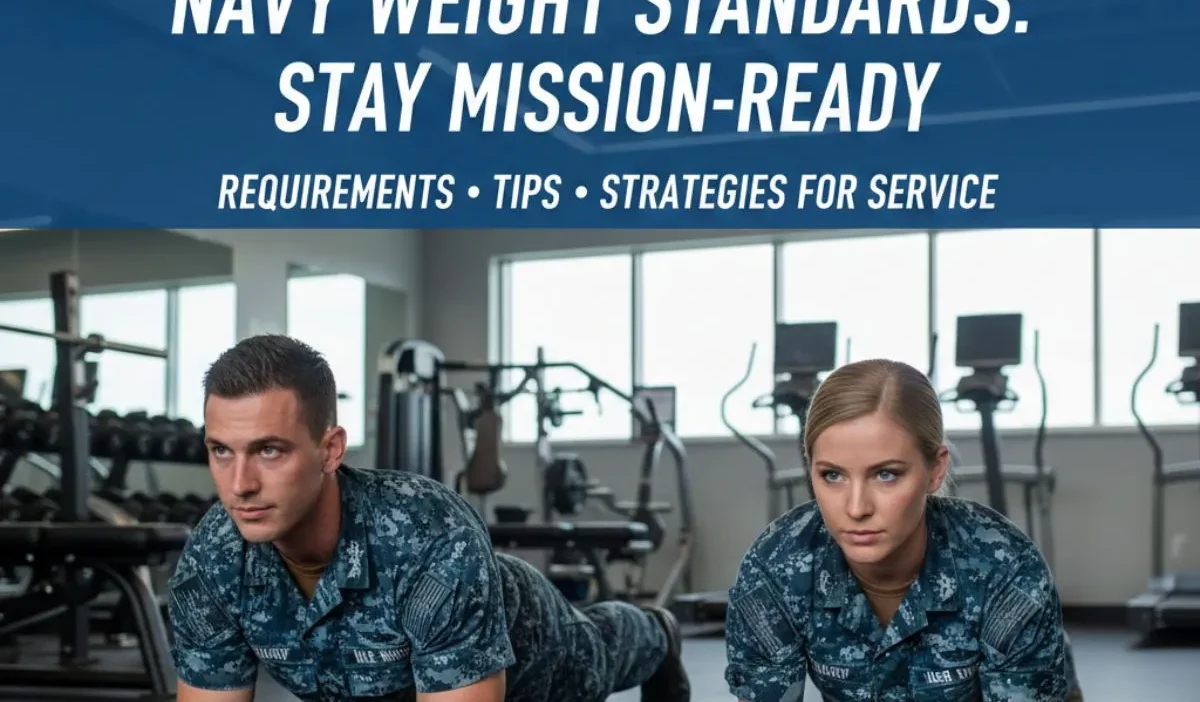
Joining the Navy is a significant commitment, and it requires more than just mental readiness it demands physical fitness and adherence to strict health standards. One of the first hurdles prospective recruits encounter is meeting the Navy’s weight and body composition requirements.
These standards aren’t arbitrary; they are designed to ensure that sailors are physically capable of handling the demands of training, deployments, and operational duties. Understanding these requirements early can save time, prevent setbacks, and set recruits on the path to success.
Whether you are a young adult considering enlistment or someone looking to maintain readiness for a naval career, knowing the exact weight, height, and body fat standards is essential. In this guide, we’ll break down the Navy’s weight requirements, explain why they matter, and provide actionable tips to help you meet and maintain the standards confidently.
Understanding Navy Weight Requirements
The Navy has clearly defined weight and body composition standards to ensure all recruits are physically prepared for service. These standards are primarily based on height, weight, and body fat percentage, which together help determine if a candidate is fit for the rigors of Navy life.
Height and Weight Charts: The Navy provides charts that list the maximum allowable weight for each height. These charts differ for men and women and take age into account. For example, a male recruit who is 5’10” has a different maximum weight limit than a female of the same height. Following these charts is the first step in assessing whether you meet enlistment standards.
Body Fat Percentage: Even if a recruit falls within the weight chart, the Navy may measure body fat to ensure overall fitness. Acceptable ranges differ by gender: generally around 18%–26% for men and 26%–36% for women, depending on age.
Age Considerations: Age also plays a role in determining allowable weight and body fat. Older recruits have slightly higher limits, reflecting natural changes in metabolism and body composition.
Understanding these standards is crucial. By knowing where you stand, you can create a targeted plan to meet or maintain the requirements and avoid last-minute surprises during enlistment.
Consequences of Not Meeting Standards
Failing to meet Navy weight requirements can have serious implications for anyone aspiring to serve. The Navy maintains these standards not just for appearance, but to ensure that all personnel are physically capable of handling the demanding tasks of training, deployment, and operational duties.
Enlistment Delays: One of the most immediate consequences is a delay in joining. Recruiters may require candidates who are over or underweight to follow a fitness plan and retest before moving forward. This can push back your training start date, affecting your overall career timeline.
Impact on Training and Career: Even after enlistment, failing to meet or maintain weight standards can influence your performance evaluations, eligibility for promotions, and participation in specialized assignments. Maintaining proper weight is tied directly to your physical readiness score, which affects your opportunities within the Navy.
Administrative Actions: Repeated failure to meet weight or body composition requirements can lead to administrative counseling or even separation in extreme cases. This underscores the Navy’s focus on readiness and health.
Health Risks: Beyond career consequences, being significantly over or underweight can increase the risk of injury, fatigue, and other health issues during rigorous training and operational duties.
Understanding these consequences emphasizes the importance of preparation and proactive fitness management before joining the Navy.
Tips to Meet Navy Weight Requirements
Meeting Navy weight standards requires a combination of fitness, nutrition, and lifestyle management. By taking a proactive approach, recruits can improve their chances of passing initial screenings and maintaining readiness throughout their naval career.
Fitness Training: Regular exercise is essential. Focus on a mix of cardio, strength training, and endurance exercises. Running, swimming, push-ups, sit-ups, and resistance training are all effective ways to build lean muscle while reducing body fat. Following a structured workout plan tailored to Navy Physical Fitness Test (PFA) requirements ensures you’re prepared both for weight standards and overall fitness assessments.
Nutrition and Diet: What you eat plays a major role in reaching your weight goals. A balanced diet rich in lean proteins, complex carbohydrates, healthy fats, and plenty of fruits and vegetables supports muscle growth and fat loss. Avoid sugary drinks, processed foods, and excessive fried items, which can hinder progress.
Lifestyle Habits: Sleep, hydration, and stress management are often overlooked but critical. Consistent sleep helps regulate metabolism, while staying hydrated and managing stress reduces the risk of unhealthy weight gain or fatigue.
By combining these strategies and monitoring progress consistently, recruits can confidently meet or maintain Navy weight standards while improving overall health and performance.
Tools and Resources
Meeting Navy weight requirements becomes much easier when you leverage the right tools and resources. These aids help you track progress, stay accountable, and ensure you are on the right path to meet the Navy’s standards.
Online Navy Weight Calculators: Several websites and official Navy portals offer calculators where you can enter your height, weight, age, and gender to see if you meet standards. These calculators can also estimate body fat percentage, helping you plan for improvements.
Fitness Apps and Trackers: Mobile apps like MyFitnessPal, Strava, or Fitbit allow you to log workouts, monitor calories, and track physical activity. Many apps also let you set goals specifically for weight and body composition, which is crucial for recruits aiming to pass screenings.
Consulting Navy Recruiters: Recruiters provide firsthand guidance on current weight and fitness standards. They can advise on acceptable ranges, retesting procedures, and best practices for passing initial evaluations.
Support Groups and Forums: Online communities and forums for Navy recruits offer advice, success stories, and motivation. Connecting with others going through the same process can help maintain focus, accountability, and encouragement.
By combining these tools, recruits can create a structured, measurable plan, ensuring they meet the Navy’s physical requirements and start their careers with confidence.
Frequently Asked Questions (FAQ)
Prospective Navy recruits often have questions about weight requirements, body fat, and enlistment procedures. Addressing these FAQs can help clear confusion and prepare candidates for success.
1. What if I fail the weight test?
If you exceed the weight or body fat limits, you may be placed on a fitness plan and retested. Persistent failure could delay enlistment or require additional counseling.
2. Can I still join if I’m slightly over weight?
Small deviations may be manageable depending on body composition. The Navy may measure body fat to determine if you still meet standards, giving some flexibility for muscular builds.
3. How often are body composition checks done?
Recruits are checked during initial screening and periodically throughout their career, particularly during physical fitness assessments and promotion eligibility evaluations.
4. Are there exceptions or waivers?
In some cases, waivers may be granted for exceptional circumstances, medical conditions, or highly skilled candidates. Approval is case-by-case and requires documentation.
5. How can I track progress effectively?
Using Navy weight calculators, fitness apps, or guidance from recruiters can help monitor progress toward meeting standards efficiently.
Understanding these FAQs equips recruits with the knowledge to plan their fitness journey effectively and avoid unexpected delays during enlistment.
Conclusion
Meeting Navy weight requirements is a critical step for anyone pursuing a career in the United States Navy. These standards, based on height, weight, and body fat percentage, are designed to ensure that all recruits are physically capable of handling the demanding training and operational duties of naval service. Failing to meet these standards can result in enlistment delays, limited career opportunities, and potential health risks, making preparation essential.
The good news is that with structured fitness training, proper nutrition, and consistent lifestyle habits, most recruits can achieve and maintain the required standards. Leveraging tools like online calculators, fitness apps, and guidance from recruiters makes the process more manageable, while staying informed about Navy charts and body composition rules ensures you avoid surprises during screening.
Success stories of recruits who met Navy weight standards prove that dedication, discipline, and careful planning pay off. By taking proactive steps, tracking progress, and seeking support when needed, you can confidently meet the Navy’s requirements and begin your journey toward a rewarding military career.
Ultimately, understanding and preparing for Navy weight standards is not just about passing a test—it’s about building the strength, health, and confidence needed to excel in one of the most challenging and rewarding professions in the world.

William is a passionate wordsmith who loves capturing the essence of life, love, and inspiration through quotes. With a keen eye for meaningful expressions, he curates and crafts words that resonate with readers across the globe. At Quoteblom.com, William’s goal is to bring wisdom, motivation, and a touch of positivity to every visitor, one quote at a time.