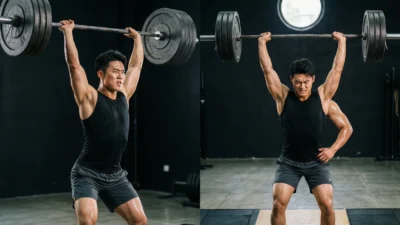
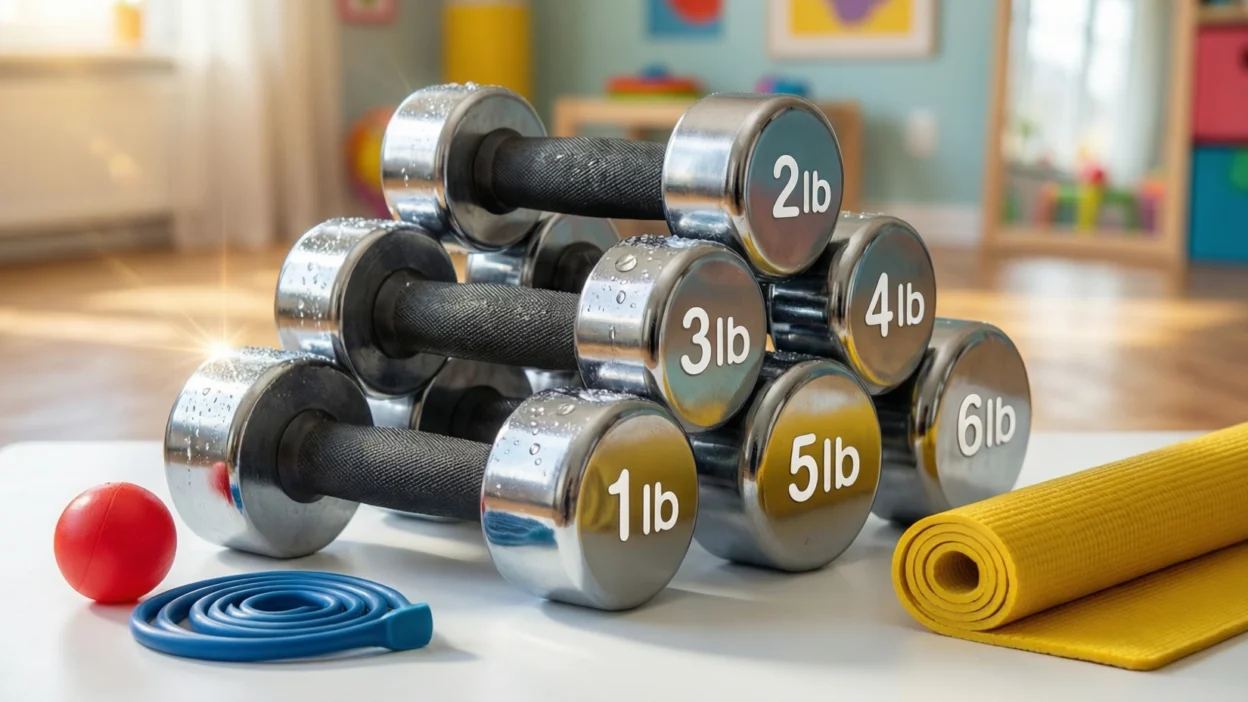
When it comes to keeping children active and healthy, strength training often gets overlooked. But using a kids weight set can be a safe, fun, and effective way to build strength, improve coordination, and encourage lifelong fitness habits.
Unlike adult equipment, kids’ weight sets are designed with lighter, age-appropriate weights that protect growing bones and muscles while still providing a good challenge. Whether it’s a pair of mini dumbbells, a small kettlebell, or resistance bands, these tools help children develop proper form, posture, and confidence in their physical abilities.
Beyond physical benefits, introducing kids to structured exercises early can boost their mental focus, self-discipline, and overall motivation to stay active. In this guide, we’ll explore the types of kids weight sets, safety tips, exercises, and buying advice, helping parents make informed decisions to support their child’s health and fitness journey.
Why Strength Training is Important for Kids
Strength training for children is not just about building muscles, it’s about developing a strong foundation for overall health. Using a kids weight set helps improve muscular strength, coordination, and posture, which are essential for everyday activities like running, jumping, and playing sports. Properly guided strength training also strengthens bones, reducing the risk of injuries as children grow.
Beyond the physical benefits, strength exercises support mental and emotional development. Children gain confidence as they master new exercises, learn discipline through regular routines, and build resilience by gradually challenging their abilities. Introducing weight sets early can also promote healthy habits, encouraging kids to stay active instead of spending long hours on screens.
It’s important to note that kids don’t need heavy weights. Age-appropriate and safe equipment ensures children can train effectively without risking injury. For example, light dumbbells, resistance bands, or soft medicine balls provide enough challenge while keeping exercises fun.
Finally, strength training complements other activities, like sports or dance, improving endurance, balance, and overall performance. With proper guidance, a kids weight set can be a safe and enjoyable tool that supports a child’s physical and mental development, laying the groundwork for a lifetime of healthy habits.
Types of Kids Weight Sets
When it comes to kids weight sets, there are several options designed to suit different ages, abilities, and fitness goals. Choosing the right type ensures safety, effectiveness, and fun.
Dumbbells are the most common option. They come in fixed or adjustable weights, allowing children to gradually increase resistance as they grow stronger. Lightweight dumbbells are ideal for beginners, helping kids learn proper form and technique.
Kettlebells are another versatile choice. Their unique shape allows for swinging and dynamic movements that improve coordination, balance, and strength. For safety, choose soft or vinyl-coated kettlebells with manageable weights.
Resistance bands are perfect for younger children or those just starting strength training. They provide gentle resistance, reducing the risk of injury, and are easy to use at home.
Medicine balls or soft weighted balls are excellent for functional exercises, such as squats, throws, and twists. They help children develop core strength, coordination, and agility.
Weighted vests are suitable for older kids who need extra resistance during bodyweight exercises. They distribute weight evenly and enhance endurance safely.
Each type of kids workout equipment has its own benefits, and often a combination works best. When selecting a set, consider your child’s age, size, and fitness level, and always prioritize safety. Using the right equipment makes strength training enjoyable, effective, and motivating for kids.
How to Choose the Right Kids Weight Set
Selecting the right kids weight set is essential for safety, effectiveness, and long-term motivation. Not all equipment is suitable for every child, so parents should consider several factors before making a purchase.
1. Age and Size of the Child: Younger children need lighter weights, while older kids can handle slightly heavier options. For beginners, start with 1–3 pounds dumbbells or light resistance bands. As strength and confidence grow, weights can gradually increase.
2. Fitness Level: Assess your child’s current activity level. Active kids may adapt faster to strength exercises, while beginners benefit from soft weights or bands to learn proper form first.
3. Safety and Material Quality: Choose equipment made of durable, non-toxic materials. Soft coatings or rubberized finishes reduce the risk of injuries. Avoid sets with sharp edges or overly heavy components.
4. Space and Convenience: Consider where your child will exercise. Compact sets like bands or small dumbbells are ideal for home use, while larger equipment may suit a dedicated workout space.
5. Adjustable vs. Fixed Weights: Adjustable sets grow with your child, offering long-term value. Fixed-weight sets are simpler and lighter for younger users.
By evaluating these factors, parents can select a child-friendly dumbbell or weight set that ensures safe, enjoyable, and effective workouts. Choosing the right equipment lays the foundation for a healthy, active lifestyle.
Safety Guidelines for Kids Using Weight Sets
Safety is the most important consideration when children use a kids weight set. Following simple precautions ensures that strength training remains both fun and injury-free.
1. Supervision is Key: Always have an adult present when children use weights. Supervision helps maintain proper form and prevents accidents.
2. Proper Warm-Up and Cool-Down: Start every session with light cardio or stretching to prepare muscles and joints. Finish with gentle stretches to reduce soreness and improve flexibility.
3. Correct Form: Teaching proper technique is more important than lifting heavier weights. Poor form can cause injuries, especially in growing bodies. Demonstrate exercises slowly and encourage kids to focus on control rather than speed.
4. Age-Appropriate Weights: Use only light or moderate weights suitable for the child’s age and strength level. For beginners, light dumbbells, resistance bands, or soft medicine balls are ideal. Avoid heavy or adult-sized equipment.
5. Limit Frequency and Duration: Short, regular sessions are better than long, intense workouts. Two to three sessions per week of 15–20 minutes is sufficient for most children.
6. Safe Environment: Ensure there’s enough space to move freely, remove obstacles, and use mats for cushioning.
By following these guidelines, parents can create a safe and positive environment where children enjoy kids weight sets while building strength, confidence, and healthy habits.
Fun and Effective Exercises with Kids Weight Sets
Using a kids weight set can be both safe and enjoyable when exercises are age-appropriate and engaging. Here are some effective movements that help build strength, coordination, and confidence:
1. Upper Body Exercises:
- Bicep Curls: Lightweight dumbbells or resistance bands strengthen the arms.
- Shoulder Press: Kids lift weights overhead to improve shoulder and upper back strength.
- Tricep Extensions: Helps tone the back of the arms while encouraging proper form.
2. Lower Body Exercises:
- Squats: Hold light dumbbells or medicine balls while squatting to strengthen legs and core.
- Lunges: Step forward or backward while holding weights to build balance and leg strength.
- Calf Raises: Simple but effective for ankle and lower leg stability.
3. Core Exercises:
- Russian Twists: Sit on the floor and rotate a medicine ball side to side for abdominal strength.
- Weighted Sit-Ups: Light weights add resistance to help strengthen the core safely.
4. Fun Circuit or Game-Based Workouts:
- Turn exercises into a mini “fitness challenge” with timers or repetitions.
- Incorporate music, partner exercises, or obstacle courses to make workouts enjoyable.
These exercises ensure that children get a full-body workout while staying motivated. Always supervise, use light weights, and focus on proper technique. A kids weight set can transform simple routines into a fun, active habit that supports long-term fitness.
How to Track Progress and Motivate Kids
Tracking progress is a great way to keep children engaged and motivated when using a kids weight set. It helps them see improvement, build confidence, and develop a positive attitude toward fitness.
1. Use Charts or Journals: Create a simple chart or notebook where your child can record exercises, repetitions, or the weights they use. Visual progress, like stickers or colored markers, can make tracking fun and rewarding.
2. Set Achievable Goals: Break workouts into small, realistic milestones, such as increasing repetitions, holding a pose longer, or slightly increasing weight. Celebrate these wins to boost confidence and motivation.
3. Incorporate Rewards: Non-food rewards, like extra playtime, a fun activity, or a small toy, can encourage consistency. Avoid pressuring children to focus on effort rather than performance.
4. Make It a Game: Turn exercises into challenges or timed games to make workouts interactive. For example, see how many squats or bicep curls they can do in a minute while keeping proper form.
5. Encourage Family or Peer Participation: Exercising together can make strength training more enjoyable and create a supportive environment.
By tracking progress and keeping workouts fun, parents can ensure children enjoy their kids workout equipment safely while developing healthy habits that last a lifetime. Motivation and consistency are key to turning short sessions into long-term fitness success.
Where to Buy Kids Weight Sets
Finding the right kids weight set is easier when you know where to look. Both online and local options offer a variety of choices that are safe, durable, and age-appropriate.
1. Online Marketplaces: Websites like Amazon, Walmart, and Target offer a wide range of kids dumbbells, kettlebells, resistance bands, and weighted balls. They provide product reviews, ratings, and detailed descriptions, helping parents make informed choices. Adjustable sets and beginner-friendly kits are commonly available online, making it convenient to find the right weight for your child.
2. Local Sports or Fitness Stores: Visiting a physical store allows you to inspect the quality of materials and size of the equipment. You can also ask store staff for recommendations based on your child’s age and strength level. Trying out equipment in person ensures it feels comfortable and safe.
3. Recommended Brands: Look for reputable brands that specialize in child-friendly fitness equipment. These often include safety certifications and durable, non-toxic materials.
4. Price Considerations: Kids weight sets can range from budget-friendly options to higher-end sets. Choose a set that balances quality, safety, and your child’s fitness needs.
By exploring these options, parents can select a child-friendly weight set that encourages safe, effective workouts at home or in small spaces. The right purchase ensures a fun and productive fitness experience for children.
Frequently Asked Questions
1. At what age can kids start weight training?
Children can begin light strength exercises with a kids weight set around ages 5–7, depending on their coordination and interest. Focus on bodyweight exercises first, then introduce light weights gradually.
2. How much weight is safe for children?
Start with very light weights1–3 pounds for younger kids and up to 5–10 pounds for older children. The goal is to maintain proper form and control, not to lift heavy. Adjustable dumbbells or resistance bands are ideal for gradually increasing weight.
3. How often should kids use a weight set?
Two to three sessions per week of 15–20 minutes are sufficient for most children. Consistency is more important than long workouts, and adequate rest is essential to prevent overuse injuries.
4. Can kids combine weights with other sports?
Absolutely! Strength training complements activities like soccer, swimming, dance, or martial arts. It improves endurance, balance, and overall athletic performance.
5. Are weight sets safe for growing children?
Yes, when age-appropriate weights, proper supervision, and correct form are used. Avoid adult-sized heavy weights and ensure a safe exercise environment.
Answering these common questions helps parents make informed decisions about introducing a kids weight set safely. With proper guidance, children can enjoy fun, effective workouts that build strength, confidence, and healthy habits.
Conclusion
Introducing a kids weight set into a child’s routine can be a safe, fun, and highly beneficial way to build strength, coordination, and confidence. With the right equipment, age-appropriate exercises, and proper supervision, children can develop healthy habits that last a lifetime. Strength training is not about lifting heavy weights, it’s about learning proper form, improving posture, enhancing motor skills, and promoting overall physical and mental well-being.
Parents play a key role in making workouts enjoyable. Choosing the right type of equipment, whether dumbbells, kettlebells, resistance bands, or medicine balls and following safety guidelines ensures that children remain motivated and injury-free. Fun, interactive exercises and progress tracking can turn short sessions into exciting challenges, keeping kids engaged and eager to participate.
Ultimately, a kids weight set supports more than just muscle development. It encourages discipline, focus, and a positive attitude toward fitness, helping children become confident and active individuals. By selecting safe equipment, supervising workouts, and fostering a playful, motivating environment, parents can set the foundation for a lifelong love of exercise. Start small, keep it fun, and watch your child grow stronger, healthier, and more confident every day.

Silva is a passionate writer and thinker dedicated to capturing the essence of life through inspiring quotes and reflections. With a keen eye for words that motivate, uplift, and spark meaningful thought, Silva shares insights that resonate deeply with readers seeking positivity, wisdom, and self-growth. At quoteblom.com, Silva’s work brings a blend of creativity and authenticity, making every quote a moment of inspiration.