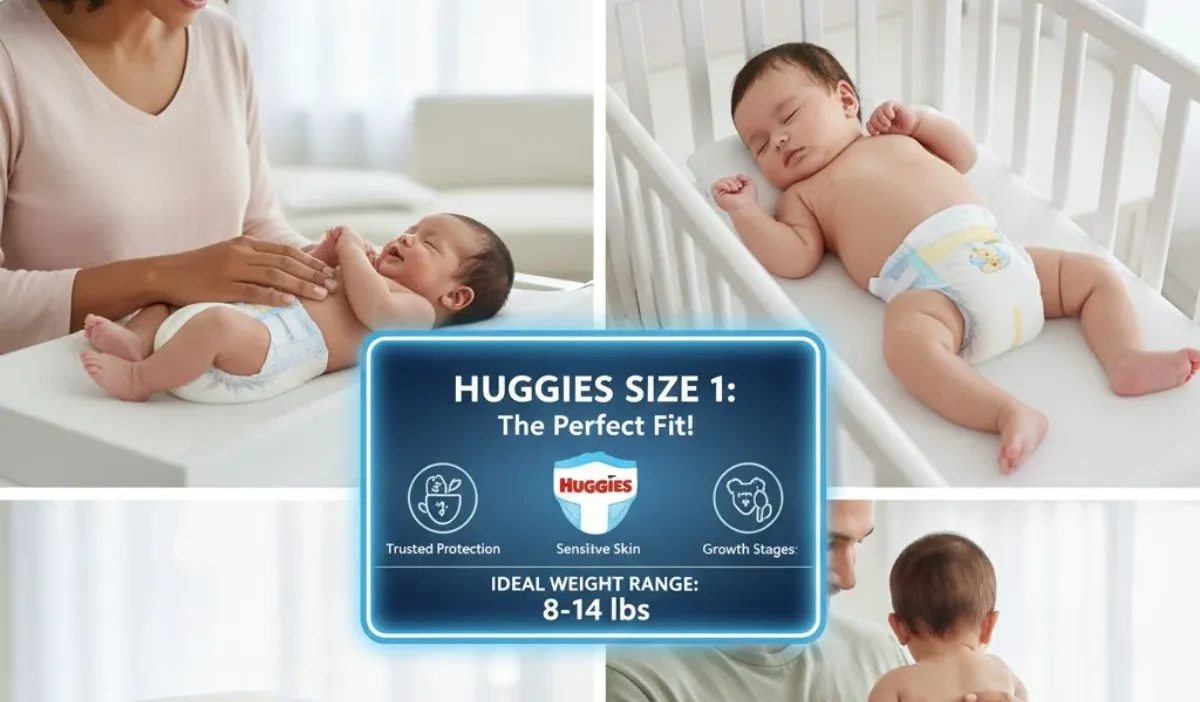
Choosing the right diaper size for your newborn is one of the most important decisions new parents make. Huggies Size 1 diapers are a popular choice for babies who weigh between 8 and 14 pounds, making them ideal for most infants in their early months.
However, understanding the significance of weight guidelines and how to select the perfect fit for your baby can be tricky. A well-fitting diaper not only ensures comfort but also helps prevent leaks, diaper rash, and other skin irritations.
In this article, we’ll break down everything you need to know about Huggies Size 1 diapers, including the weight range, how to determine when to move up to the next size, and tips on achieving the perfect fit for your baby. Whether you’re a first-time parent or just looking for more insight into diaper sizing, this guide will provide you with the clarity you need to make an informed choice.
What is Huggies Size 1?
Huggies Size 1 diapers are designed specifically for babies who weigh between 8 and 14 pounds, which generally includes most newborns and infants in their first few months of life. This size is one of the most common choices for parents, as it provides the perfect balance of fit and comfort for babies during this crucial growth phase.
Huggies Size 1 diapers are built to offer a snug yet comfortable fit, allowing babies to move freely without the risk of leaks or discomfort. They are ideal for babies who have grown out of the newborn diaper size, which is typically designed for infants up to 8 pounds. Size 1 diapers provide enough absorbency and room for growth, but still maintain a secure fit around the waist and legs to prevent any leaks.
It’s important to note that while the weight range for Huggies Size 1 is 8-14 lbs, every baby is different. Some babies might reach the upper limit of this range earlier or later, depending on their growth pattern. For example, a particularly chunky or tall baby might need to move to Size 2 a little sooner, while a smaller baby might still fit comfortably into Size 1 for longer. Therefore, monitoring your baby’s weight and comfort level is key when determining the right diaper size.
Why Weight Matters in Choosing Diapers
Choosing the right diaper size is crucial for your baby’s comfort, hygiene, and overall well-being. Weight is the most reliable factor in determining the correct diaper size because it ensures a snug yet comfortable fit. If a diaper is too small, it can cause discomfort and lead to red marks on your baby’s skin, while a diaper that’s too large may result in leaks and unnecessary bulk. For Huggies Size 1, the ideal weight range is between 8-14 pounds, ensuring that the diaper fits securely around your baby’s waist and legs, without being too tight or too loose.
A well-fitting diaper not only prevents leaks but also contributes to your baby’s skin health. Ill-fitting diapers, especially those that are too tight, can cause irritation, rashes, or even chafing. On the other hand, overly loose diapers can allow urine and stool to escape, causing discomfort and potential skin issues like diaper rash.
Additionally, the right diaper size supports your baby’s development by allowing for natural movement. Babies grow and develop quickly in their first few months, and a diaper that fits properly allows them to kick, stretch, and roll over without restriction. Properly sized diapers, like Huggies Size 1, provide the support your baby needs while ensuring maximum comfort during these early developmental stages.
How to Know When to Upgrade to the Next Size
Knowing when to move your baby from Huggies Size 1 to Size 2 can be tricky, but there are several signs that indicate it’s time for the transition. The most obvious signal is when your baby reaches the upper end of the weight range for Size 1, which is typically 14 pounds. If your baby’s weight is consistently at or above this threshold, it might be time to move up a size. However, weight isn’t the only factor to consider.
One key indicator that your baby needs a larger diaper is discomfort. If you notice that the diaper is leaving red marks around your baby’s waist or legs, it could be a sign that it’s too tight, restricting movement and causing discomfort. Additionally, if the diaper feels too snug or seems to be “cutting into” your baby’s skin, it may no longer be the best fit.
Leaks are another common sign that it’s time for a new size. If you notice that the diaper is leaking frequently, even though it’s not soiled, it could mean the fit isn’t tight enough around the legs or waist. A diaper that fits properly should have secure elastic bands around these areas to prevent leaks.
Finally, consider your baby’s development. If your little one is becoming more active, rolling over or attempting to move around, a larger diaper may give them the comfort and flexibility they need to continue exploring.
Common Misconceptions About Huggies Size 1 Weight
When it comes to choosing the right diaper size, there are several myths that can lead parents to make the wrong decision. One of the most common misconceptions about Huggies Size 1 is that it is only suitable for newborns. While it is true that Size 1 diapers are designed for babies who weigh between 8-14 pounds, many parents mistakenly think that Size 1 is for newborns exclusively. In reality, this size is ideal for infants who have grown past the very first stage but are not yet ready for Size 2. Some babies may still comfortably wear Size 1 well into their third or fourth month, depending on their weight and growth rate.
Another myth is that diaper sizes are uniform across all brands. While Huggies Size 1 is tailored for babies in the 8-14 lb range, other brands may have different sizing guidelines. It’s essential to check the weight recommendations for each diaper brand you use, as they may vary slightly. What works for one brand may not work as well for another, even if they’re labeled as “Size 1.”
Lastly, many parents believe that bigger diapers are always better, but this isn’t true. Moving up to a larger size too soon can cause discomfort and leakage. It’s always best to follow the weight recommendations and let your baby grow into the next size when they’re truly ready.
Tips for Choosing the Right Diaper Size for Your Baby
Choosing the right diaper size is crucial for ensuring your baby’s comfort and preventing leaks. Here are some tips to help you select the best size for your little one, starting with Huggies Size 1.
- Track Your Baby’s Weight
The first step is to regularly monitor your baby’s weight. Diaper manufacturers, including Huggies, provide size guidelines based on weight, so it’s essential to know where your baby stands in the weight range. If your baby is close to the upper end of the Size 1 range (around 14 lbs), it may be time to consider moving up to Size 2. - Check for Comfort
A well-fitting diaper should sit snugly around your baby’s waist and legs without leaving marks on their skin. If you notice red marks, it may indicate that the diaper is too tight. Conversely, if the diaper feels loose or saggy, it may be too big, leading to leaks. - Look for Leaks
One of the clearest signs that it’s time for a new diaper size is frequent leaks. If you notice that your baby’s diaper is regularly leaking, especially around the legs or waist, it’s a sign that the diaper no longer fits properly. Ensure the diaper is snug enough around these areas to prevent leaks. - Consider Your Baby’s Development
As babies grow, their movement becomes more active. If your baby is starting to roll over or move more, you may need a larger diaper size that provides extra room for movement while still offering a secure fit.
Huggies Size 1: Pros and Cons
Like any product, Huggies Size 1 diapers come with their advantages and a few drawbacks. Understanding both can help parents make an informed decision about whether they’re the right choice for their baby.
Pros of Using Huggies Size 1
- Trusted Brand Reputation:
Huggies is a well-known and trusted brand that many parents rely on for its consistency and quality. With years of experience, Huggies offers diapers designed with the comfort and well-being of babies in mind. - Excellent Absorbency:
Huggies Size 1 diapers feature LeakLock® technology, which provides superior absorbency and prevents leaks, keeping your baby dry for longer periods. This is particularly important for newborns and young infants who often have longer sleep stretches. - Soft and Gentle on Skin:
The diapers are made with soft, breathable materials that help reduce irritation and are gentle on sensitive baby skin. The hypoallergenic properties are an added benefit, reducing the risk of diaper rash. - Secure Fit:
The contoured design of Huggies Size 1 ensures a snug and secure fit around the waist and legs. The stretchy sides and snug waistband allow the diaper to adjust comfortably as your baby moves, preventing leaks while providing a comfortable fit.
Cons of Using Huggies Size 1
- Price Point:
Compared to store brands or generic options, Huggies diapers can be on the pricier side. While the quality justifies the cost for many parents, it may not be the best option for families on a budget. - Size Limitation:
Although Huggies Size 1 fits most babies in the 8-14 lb range, some babies may outgrow this size quickly, especially if they are on the larger side. In such cases, transitioning to Size 2 may be necessary sooner than expected.
Frequently Asked Questions
- What weight is Huggies Size 1 for?
Huggies Size 1 is designed for babies who weigh between 8 and 14 pounds (3-6 kg). This range typically covers newborns and infants during their first few months. However, each baby grows at their own pace, so it’s essential to monitor your baby’s weight and comfort as they approach the upper end of the weight range. - How do I know when to move up to Size 2 diapers?
You should consider moving up to Size 2 diapers when your baby reaches the upper limit of Huggies Size 1 (around 14 lbs) or if you notice signs like frequent leaks, red marks around the waist or legs, or discomfort. It’s also a good idea to switch if your baby’s activity level increases and they seem restricted by the diaper. - Can Huggies Size 1 be used for premature babies?
While Huggies Size 1 is designed for babies weighing at least 8 lbs, premature babies or babies under 8 lbs may need smaller sizes. Huggies offers special preemie-sized diapers that are better suited for smaller babies, so be sure to consult your pediatrician for the best diaper options. - Why do babies outgrow Size 1 diapers quickly?
Babies grow rapidly in their first few months, and some may outgrow Size 1 before reaching the maximum weight range. If your baby is tall or gaining weight quickly, they may need to transition to Size 2 sooner than expected. Keep an eye on your baby’s weight and adjust diaper size accordingly. - Are Huggies Size 1 diapers good for sensitive skin?
Yes, Huggies Size 1 diapers are designed with hypoallergenic materials, making them a great option for babies with sensitive skin. They are dermatologically tested to help reduce the risk of irritation and diaper rash. However, every baby’s skin is different, so if you notice irritation, you may want to try a different brand or consult your pediatrician.
Conclusion
Choosing the right diaper size is essential for both your baby’s comfort and overall health. Huggies Size 1 diapers are a great option for babies weighing between 8 and 14 pounds, offering the perfect combination of comfort, absorbency, and fit. By understanding the importance of weight when selecting the right diaper, you can ensure that your baby stays dry, comfortable, and free from leaks and rashes.
Remember, the right diaper size is not just about weight; it’s also about your baby’s comfort and activity level. If your baby starts showing signs of discomfort, leaks, or outgrows the size based on their weight, it’s time to move up to the next size. Always check the diaper’s fit around the waist and legs, and make sure it’s snug but not too tight.
By following the guidelines for Huggies Size 1 and paying close attention to your baby’s growth, you’ll be able to make the best decision for their needs. It’s always a good idea to consult with your pediatrician if you’re unsure about sizing or if your baby has any skin sensitivities. Ultimately, the goal is to ensure your baby is happy, healthy, and comfortable throughout their diaper-wearing days.
With this knowledge, you’re well-equipped to choose the best diapers for your baby’s growing needs. Happy parenting!

Joseph is a passionate writer and quote curator at QuoteBlom.com, dedicated to bringing inspiration, wisdom, and a touch of motivation to every reader. With a keen eye for meaningful words and life-changing insights, Joseph carefully selects and shares quotes that uplift, empower, and spark thoughtful reflection. Whether you’re looking for a daily dose of positivity, love, or life advice, Joseph’s writings are designed to resonate with readers from all walks of life, making each visit to QuoteBlom.com a journey of inspiration.