
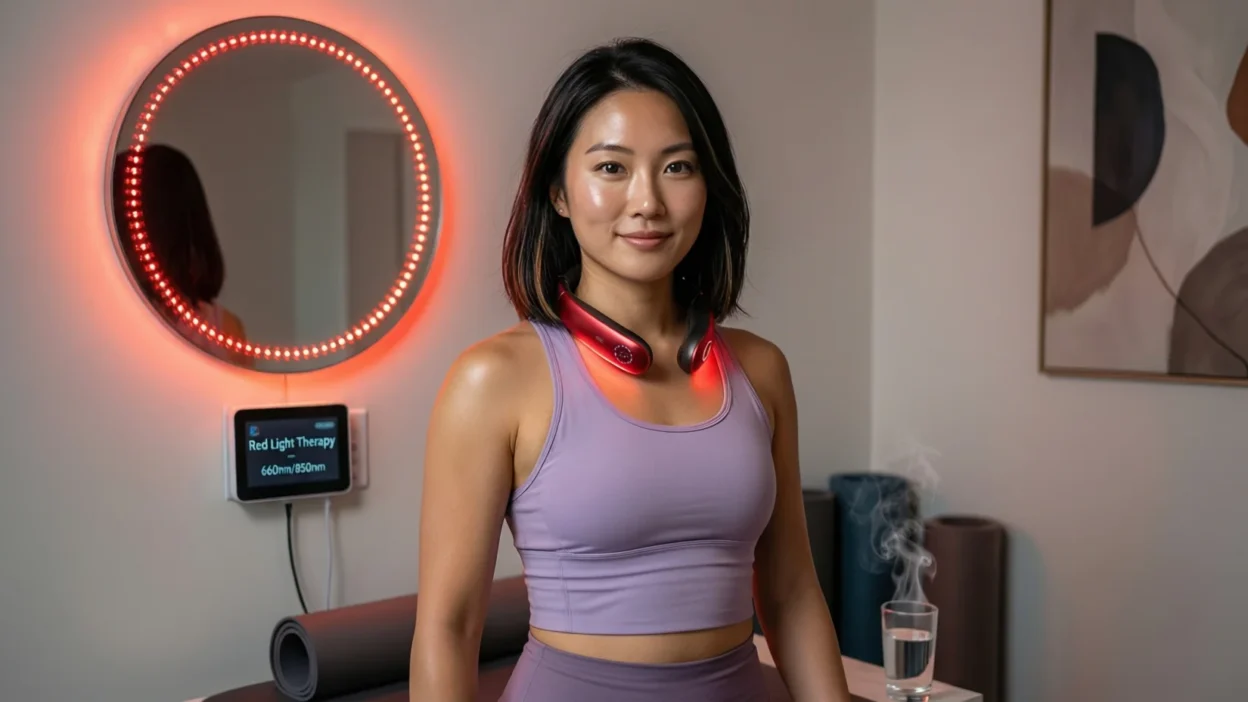
Red light therapy (RLT) has been gaining attention as a modern, non-invasive approach to health and wellness, promising benefits from improved skin health to faster muscle recovery. Recently, it has also sparked interest as a potential tool for weight loss and fat reduction.
But with so many claims circulating online, it’s natural to wonder: can simply exposing your body to red or near-infrared light actually help shed pounds?
In this article, we’ll break down the science behind red light therapy, examining how it interacts with your cells and metabolism. We’ll also explore the latest research, its real-world effectiveness for fat loss, and the practical ways it can complement a healthy lifestyle.
By the end, you’ll have a clear understanding of what red light therapy can and cannot for weight loss, helping you make informed decisions before trying it yourself.
What Is Red Light Therapy?
Red light therapy (RLT), also known as low-level laser therapy (LLLT) or photobiomodulation, is a non-invasive treatment that uses low-level wavelengths of red or near-infrared light to penetrate the skin. Unlike ultraviolet (UV) light, which can damage the skin, red light is considered safe and has minimal side effects. Originally developed for wound healing and skin rejuvenation, RLT has gradually gained popularity in the fitness and wellness world for its potential fat reduction and weight management benefits.
At a cellular level, red light penetrates the skin and stimulates the mitochondria, the energy-producing structures within cells. This stimulation increases the production of adenosine triphosphate (ATP), which enhances cellular energy, metabolism, and repair processes. In theory, this boost in cellular activity can improve fat metabolism, circulation, and even reduce inflammation.
Red light therapy is versatile and available in several forms. Professional clinics may offer full-body panels or targeted treatments for areas like the abdomen, thighs, or arms. At-home devices, such as light panels, handheld wands, or wearable belts, have made it more accessible for personal use. While promising, it’s important to understand that RLT is not a magic solution for weight lossits effectiveness depends on proper usage and is best combined with a healthy diet and exercise regimen.
The Science Behind RLT and Weight Loss
Red light therapy’s connection to weight loss is rooted in its effects on cellular metabolism. When red or near-infrared light penetrates the skin, it reaches the mitochondria often called the “powerhouses” of cells. By stimulating these organelles, RLT increases the production of adenosine triphosphate (ATP), the molecule responsible for cellular energy. More energy at the cellular level can enhance metabolic activity, which in turn may support the breakdown of fat cells.
Several small clinical studies have explored RLT’s role in fat reduction. For example, research has shown that targeted red light treatments on areas like the abdomen or thighs can lead to modest reductions in circumference. The light appears to temporarily alter fat cell membranes, allowing stored fat to leak out and be processed by the body. However, it’s important to note that most studies involve small participant groups and short treatment periods, so long-term effects remain uncertain.
Experts emphasize that red light therapy is not a substitute for diet or exercise. While it may aid in spot reduction and improve body contouring, overall weight loss requires a caloric deficit and active lifestyle. Additionally, factors such as the wavelength, intensity, and frequency of the therapy can significantly influence results, making consistent, proper use essential for any noticeable benefit.
Benefits of Red Light Therapy for Weight Management
Red light therapy offers several potential benefits for individuals looking to manage weight or improve body composition. One of the most appealing aspects is that it is non-invasive and painless, making it an attractive option for those who want a low-risk approach to fat reduction. Unlike surgical procedures such as liposuction, RLT doesn’t involve downtime or recovery, allowing users to continue their daily routines immediately after treatment.
Another key benefit is its potential for targeted fat reduction. Studies suggest that RLT can help reduce fat in specific areas, such as the abdomen, thighs, or arms, which can enhance body contouring efforts. While it may not produce dramatic weight loss on its own, these targeted results can complement traditional strategies like diet and exercise, making progress more noticeable and motivating.
RLT may also offer additional health benefits that indirectly support weight management. Improved circulation can aid nutrient delivery and toxin removal, while reduced inflammation can support recovery after exercise. Some research even indicates that it may help improve skin elasticity, reducing sagging in areas where fat loss has occurred.
Finally, the therapy is accessible. Professional clinics offer full-body panels, while at-home devices provide flexibility and convenience. Overall, RLT is a safe, complementary tool that can enhance weight management efforts when combined with a healthy lifestyle.
Limitations and Considerations of Red Light Therapy
While red light therapy (RLT) shows promise for fat reduction and body contouring, it is essential to understand its limitations before investing time or money. First and foremost, RLT is not a magic solution for weight loss. Most studies indicate that while it may help reduce fat in targeted areas, it does not replace the need for a healthy diet, regular exercise, or overall caloric management. Relying solely on RLT will likely yield minimal results.
Another consideration is effectiveness variability. The results depend heavily on factors such as the wavelength (typically 630–850 nm), intensity, duration, and frequency of sessions. Inconsistent or improper use may lead to disappointing outcomes. Additionally, individual factors like metabolism, body composition, and lifestyle habits play a significant role in determining results.
Safety is another important factor. Although generally considered safe, RLT may cause eye irritation if proper protection is not used, and those with photosensitive conditions or certain medical issues should consult a healthcare professional before starting therapy.
Finally, expectations should be realistic. RLT may provide modest fat reduction, improved skin tone, and enhanced circulation, but it is not a quick fix. Understanding both its potential and limitations ensures that users approach it as a supplementary tool, rather than a standalone solution for weight management.
Types of Red Light Therapy for Weight Loss
Red light therapy is available in a variety of formats, each designed to suit different needs, budgets, and convenience levels. Understanding the options can help users choose the most effective approach for their goals.
1. At-Home Devices
At-home RLT devices have become increasingly popular due to their convenience and accessibility. These include light panels, handheld wands, and wearable belts. They allow users to target specific areas like the abdomen, thighs, or arms in the comfort of their home. While at-home devices are generally less powerful than clinical machines, consistent use over time can still offer visible results. Proper adherence to recommended session times and distances from the device is crucial for effectiveness.
2. Professional or Clinical Treatments
Clinics and wellness centers often provide professional-grade red light therapy. These treatments usually involve high-intensity panels or full-body beds, offering more uniform and deeper light penetration. Professional sessions may deliver faster or more noticeable results, particularly for individuals looking to reduce fat in stubborn areas. However, these treatments are typically more expensive and require regular visits.
3. DIY Cautions
While at-home options are convenient, safety should be a priority. Using devices with improper wavelengths, excessive intensity, or without eye protection can pose risks. Consulting a professional or following manufacturer guidelines ensures safer and more effective use.
Overall, choosing between at-home or professional RLT depends on budget, goals, and desired intensity, but both can complement a healthy lifestyle when used correctly.
How to Use Red Light Therapy for Best Results
To maximize the benefits of red light therapy (RLT) for weight management, it’s important to follow best practices for usage. Consistency and proper technique are key to seeing noticeable results.
1. Session Duration and Frequency
Most studies and expert guidelines suggest sessions of 10 to 20 minutes per area, 3 to 5 times per week. Overexposure does not accelerate results and may increase the risk of mild side effects such as skin irritation. For full-body panels, session times may vary slightly, depending on the device’s intensity.
2. Distance and Placement
Maintain the recommended distance from the device, usually 6 to 12 inches for handheld devices and slightly further for panels. Ensuring the light evenly covers the targeted area allows optimal penetration and fat reduction.
3. Combine with Healthy Lifestyle Habits
RLT works best when paired with a balanced diet and regular exercise. While it may aid targeted fat reduction, overall weight loss requires a caloric deficit. Incorporating cardio, strength training, and proper nutrition enhances the therapy’s effectiveness and supports sustainable results.
4. Track Progress
Instead of relying solely on the scale, track results through measurements, photos, or body composition assessments. This approach helps monitor changes in targeted areas and ensures realistic expectations.
By following these guidelines, users can safely and effectively integrate red light therapy into their weight management routine, optimizing results without relying on the therapy alone.
Success Stories and Case Studies
While research on red light therapy (RLT) for weight loss is still emerging, there are both clinical studies and anecdotal reports highlighting its potential benefits. Many users have shared experiences of targeted fat reduction, particularly in stubborn areas like the abdomen, thighs, and arms. These success stories often emphasize visible contouring and improved body shape rather than dramatic weight loss on the scale.
Clinical studies provide some support for these claims. In one trial, participants who underwent red light therapy on the abdominal area experienced measurable reductions in waist circumference over a period of several weeks. Another study demonstrated that RLT could temporarily increase the permeability of fat cell membranes, allowing stored fat to be released and metabolized more efficiently. While these effects were modest, they suggest that RLT can be an effective supplementary tool for body contouring when combined with diet and exercise.
Real-world case studies also highlight the importance of consistency and device quality. Users who adhered to regular sessions with proper wavelength devices often reported noticeable improvements in fat reduction and skin tone, whereas inconsistent or improper usage yielded minimal results.
Overall, success stories and clinical evidence indicate that RLT can enhance targeted fat reduction, boost confidence in body appearance, and serve as a complementary method alongside traditional weight loss strategies.
Alternatives to Red Light Therapy
While red light therapy shows promise for targeted fat reduction, there are several other non-invasive or minimally invasive alternatives that individuals often consider for weight management and body contouring. Understanding these options can help you choose the approach that best fits your goals, budget, and lifestyle.
1. Cryolipolysis (Fat Freezing)
Cryolipolysis, often known by the brand name CoolSculpting, involves freezing fat cells to break them down naturally over time. This method is effective for localized fat reduction, especially in areas like the abdomen, thighs, and arms. Results may take several weeks to appear, and multiple sessions are sometimes required.
2. Ultrasound Cavitation
Ultrasound cavitation uses high-frequency sound waves to disrupt fat cells, which are then metabolized by the body. It is painless and typically requires several sessions for noticeable results.
3. Laser Lipolysis
This technique employs low-level laser energy to target fat cells, similar in principle to red light therapy but with slightly higher intensity. It can assist with body contouring and is often used in clinical settings.
4. Exercise and Nutrition
While not a device-based approach, consistent physical activity and a balanced diet remain the most reliable methods for sustainable weight loss and overall fat reduction.
Each alternative has its pros and cons, including cost, effectiveness, and invasiveness. Like RLT, these methods work best as supplementary tools rather than standalone solutions, and results are optimized when paired with healthy lifestyle habits.
Frequently Asked Questions
1. Can red light therapy help me lose weight?
Red light therapy may aid in targeted fat reduction, particularly in areas like the abdomen, thighs, and arms. However, it is not a substitute for diet or exercise and is best used as a supplementary tool.
2. How long does it take to see results?
Results vary depending on frequency, device strength, and individual factors. Some users notice changes in body contour within a few weeks, while consistent use over several months may yield more visible improvements.
3. Is red light therapy safe?
Yes, RLT is generally safe when used according to manufacturer guidelines. Eye protection is recommended, and individuals with photosensitive conditions or certain medical issues should consult a healthcare professional before starting therapy.
4. Can I use RLT at home?
Yes, there are at-home devices like panels, handheld wands, and wearable belts. While convenient, at-home devices are usually less powerful than professional equipment, so consistency is crucial for results.
5. Does red light therapy work for overall weight loss?
RLT is primarily effective for spot fat reduction and body contouring. Overall weight loss still requires a caloric deficit, regular exercise, and healthy lifestyle habits.
6. How often should I use red light therapy?
Most guidelines recommend 10–20 minute sessions, 3–5 times per week, depending on the device and target area. Following proper usage instructions maximizes results.
Conclusion
Red light therapy (RLT) has emerged as a popular tool in the wellness and weight management world, offering a non-invasive, low-risk option for those seeking targeted fat reduction. Scientific research suggests that RLT can stimulate cellular metabolism, improve circulation, and aid in spot fat loss, particularly in areas like the abdomen, thighs, and arms. Users often report enhanced body contouring, improved skin tone, and gradual reductions in stubborn fat when the therapy is used consistently.
However, it is important to approach RLT with realistic expectations. While it can complement weight management efforts, it is not a magic solution for overall weight loss. Long-term success still depends on maintaining a healthy diet, regular exercise, and lifestyle habits. Additionally, factors such as device type, wavelength, session duration, and frequency play a critical role in determining results.
For those interested in trying RLT, both at-home devices and professional clinical treatments are available, each with its pros and cons. Safety precautions, proper usage, and consistency are essential to maximize benefits.
Ultimately, red light therapy is best seen as a supplementary tool a way to enhance body contouring and support fat reduction efforts rather than a standalone weight-loss solution. When combined with a healthy lifestyle, it can be a safe and effective addition to your weight management journey.

William is a passionate wordsmith who loves capturing the essence of life, love, and inspiration through quotes. With a keen eye for meaningful expressions, he curates and crafts words that resonate with readers across the globe. At Quoteblom.com, William’s goal is to bring wisdom, motivation, and a touch of positivity to every visitor, one quote at a time.