
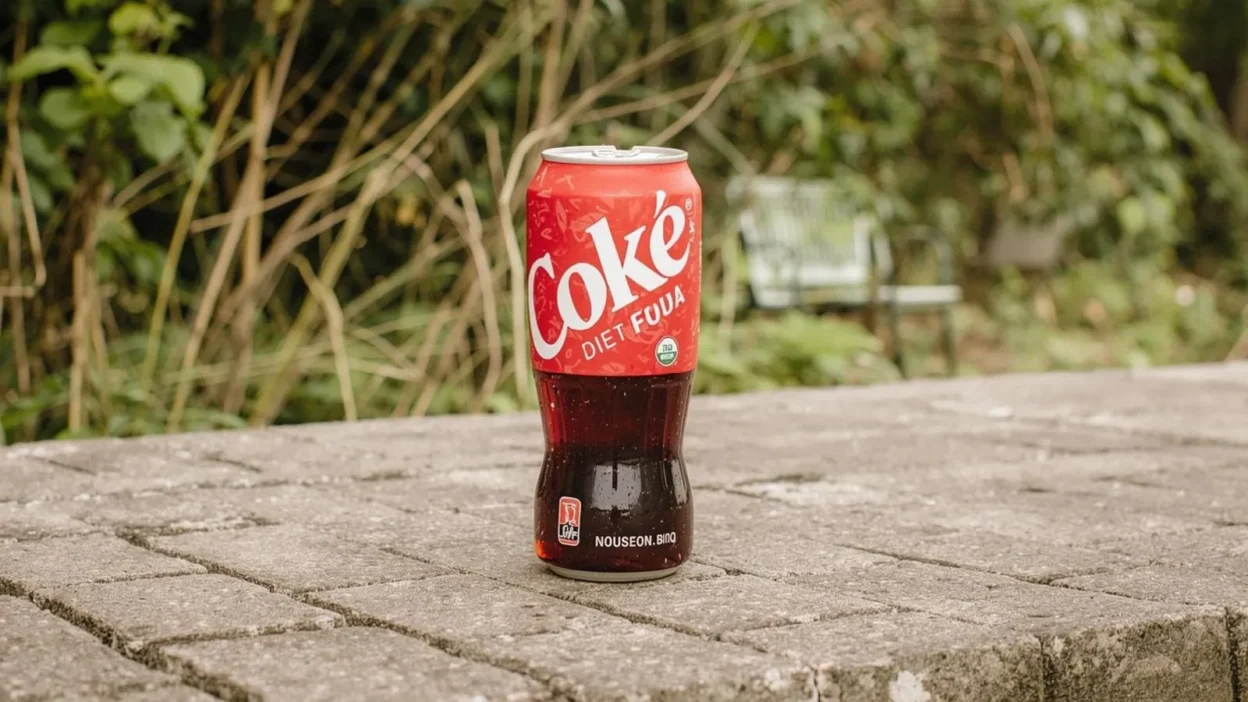
For many, Diet Coke is the go to guilt free soda zero calories, zero sugar, and supposedly zero impact on weight. It’s marketed as the perfect alternative to sugary drinks, especially for those trying to manage their weight.
But does drinking Diet Coke really help, or could it be secretly working against your goals? Despite containing no calories, some research suggests that artificial sweeteners, like those in Diet Coke, may influence appetite, cravings, and even metabolism in ways that could affect body weight.
Observational studies have linked diet soda consumption to higher body mass index (BMI) in certain populations, though cause and effect remain debated. In this article, we’ll explore the science behind Diet Coke, artificial sweeteners, and weight gain, examine behavioral and metabolic factors, and provide practical tips so you can make informed choices about including diet soda in your daily routine.
Understanding Diet Coke
Diet Coke is one of the most popular diet sodas worldwide, often chosen as a low-calorie alternative to regular sugary beverages. Unlike traditional soda, Diet Coke contains zero sugar and zero calories, making it appealing for people looking to reduce calorie intake or manage weight. Its main sweeteners are artificial compounds such as aspartame and acesulfame potassium, which provide sweetness without adding energy to the diet.
While Diet Coke mimics the taste of classic Coca-Cola, it differs significantly in composition. A standard 12-ounce can of regular Coke contains about 140 calories and 39 grams of sugar, whereas Diet Coke contains none. This makes it seemingly an obvious choice for anyone trying to cut calories.
However, it’s not just about the numbers on the label. The way the body reacts to artificial sweeteners, carbonation, and caffeine can vary from person to person. Some studies suggest that the sweetness without calories may affect appetite regulation or cravings, potentially influencing overall calorie consumption. Additionally, caffeine in Diet Coke can have subtle effects on metabolism and energy levels.
The Science Behind Artificial Sweeteners
Diet Coke’s sweetness comes from artificial sweeteners like aspartame, sucralose, and acesulfame potassium. These compounds are hundreds of times sweeter than sugar but contain virtually no calories. They trick the taste buds into perceiving sweetness without providing energy, which seems ideal for weight management.
However, the body’s response to artificial sweeteners is more complex than just counting calories. Some studies suggest that consuming sweet flavors without actual calories may confuse the brain’s appetite regulation system, potentially leading to increased cravings for sugary or high-calorie foods later. For example, when the brain senses sweetness but receives no energy from sugar, it may signal hunger as a way to compensate.
Research has also explored the effects on metabolism and gut microbiota. Certain artificial sweeteners may alter the balance of gut bacteria, which can influence glucose metabolism and insulin sensitivity. While these effects are still being studied and results are mixed, they raise important questions about whether “zero-calorie” drinks are truly neutral in terms of weight.
It’s worth noting that not everyone responds the same way. Some individuals can enjoy Diet Coke without noticeable changes in appetite or weight, while others may experience stronger cravings or subtle metabolic effects. Understanding these mechanisms is key to evaluating whether Diet Coke might influence weight gain over time.
Diet Coke and Appetite
One of the main debates around Diet Coke and weight gain revolves around its impact on appetite and cravings. Even though it contains no calories, the intense sweetness from artificial sweeteners can sometimes trick the brain. Studies suggest that when the taste of sweetness is not paired with actual energy intake, it may lead the body to seek additional calories, increasing overall food consumption.
Artificial sweeteners may also influence hunger hormones, like ghrelin, which signals the body to eat. Some research indicates that drinking diet soda could cause ghrelin levels to rise, temporarily increasing feelings of hunger. For some individuals, this can lead to snacking or eating larger portions, indirectly contributing to weight gain over time.
Behavioral factors play a role as well. The so-called “health halo effect” occurs when people assume that drinking a calorie-free soda allows them to eat more elsewhere. For example, someone might pair a Diet Coke with a high-calorie meal or dessert, thinking they’ve “saved” calories with the drink.
That said, the effects are highly individual. Many people successfully use Diet Coke as a direct substitute for sugary beverages and reduce their overall calorie intake without noticeable increases in appetite. Understanding how your own body responds to artificial sweetness is key, as the impact on appetite and eating behavior varies from person to person.
Diet Coke and Weight Gain: Evidence
The question of whether Diet Coke contributes to weight gain has sparked much debate in scientific research. Observational studies often show a correlation between diet soda consumption and higher body weight, suggesting that people who regularly drink diet sodas tend to have a higher BMI. However, correlation does not mean causation. Many individuals in these studies may already struggle with weight management, and diet soda could simply be a tool they use while attempting to lose or maintain weight.
Clinical trials provide a different perspective. Short-term studies generally indicate that substituting diet soda for sugary drinks can reduce overall calorie intake, sometimes leading to modest weight loss. This supports the idea that Diet Coke, when used intentionally as a replacement for high-calorie beverages, does not inherently cause weight gain.
Long-term effects are less clear. Some research hints that prolonged consumption of artificial sweeteners may subtly influence metabolism, gut bacteria, or appetite regulation, potentially affecting weight over years. Yet, these effects vary widely among individuals, making it difficult to draw universal conclusions.
Ultimately, the evidence suggests that Diet Coke itself is not a direct cause of weight gain, but its impact depends on behavioral habits, overall diet, and individual metabolism. Drinking it mindfully, rather than as a license to overeat, appears to be key in preventing unintended calorie increases.
Psychological and Behavioral Factors
Beyond biology, behavioral and psychological factors play a major role in whether Diet Coke might indirectly influence weight. One common phenomenon is the “compensation effect”. People who drink Diet Coke may feel they’ve saved calories and, consciously or unconsciously, allow themselves to eat more elsewhere. For instance, someone might pair a diet soda with a high-calorie meal or indulge in dessert, thinking the soda offsets the extra calories.
Another factor is habit and mindset. Some individuals use Diet Coke as a “weight-control crutch,” relying on it to satisfy cravings for sweet drinks without adjusting overall eating habits. This reliance can sometimes reinforce unhealthy patterns, such as frequent snacking or preferring highly processed foods.
Environmental cues also contribute. Diet Coke is often consumed alongside fast food or convenience snacks, which are high in calories and fat. Over time, these associations may influence eating behavior, potentially counteracting any calorie savings from the soda itself.
On the flip side, many people successfully incorporate Diet Coke into their routines without overcompensating, particularly when paired with a balanced diet and mindful eating habits. The key takeaway is that psychological and behavioral patterns, rather than the soda itself, often determine its impact on body weight. Being aware of how consumption fits into your overall lifestyle is essential for managing weight effectively.
Health Considerations Beyond Weight
While most discussions focus on Diet Coke and weight, it’s important to consider other potential health effects of regular consumption. One commonly cited concern is dental health. Although Diet Coke contains no sugar, it is acidic, and frequent exposure can erode tooth enamel over time, increasing the risk of cavities and sensitivity.
Caffeine is another factor. A 12-ounce can of Diet Coke contains about 46 mg of caffeine, roughly half a cup of coffee. For some people, this can influence sleep patterns, cause jitteriness, or mildly increase heart rate. While moderate caffeine intake is generally safe, excessive consumption may exacerbate anxiety or disrupt restful sleep, indirectly affecting weight management and overall health.
Some research also explores the effects of artificial sweeteners on the gut microbiome. Altered gut bacteria may influence digestion, glucose metabolism, and even appetite regulation, though findings are still preliminary and not fully conclusive.
On the positive side, Diet Coke is a far healthier alternative to regular sugary sodas, which are linked to obesity, type 2 diabetes, and dental decay. Replacing sugar-laden beverages with Diet Coke can reduce daily calorie intake if consumed mindfully.
Ultimately, while Diet Coke is generally safe for most people in moderation, it’s wise to be aware of its acid content, caffeine, and possible gut effects, and to balance it with water, unsweetened beverages, and a nutrient-rich diet.
Practical Takeaways
If you enjoy Diet Coke, there’s no need to panic, moderation is key. While research shows that Diet Coke itself does not directly cause weight gain, its effects on appetite, cravings, and behavior may indirectly influence your overall calorie intake. Being mindful of these factors can help you enjoy it without sabotaging your weight management goals.
1. Use it as a substitute, not a license: Replace regular sugary drinks with Diet Coke instead of pairing it with high-calorie meals or snacks. This ensures you actually reduce your overall calorie intake.
2. Watch for cravings and compensation: Pay attention to whether drinking Diet Coke increases your desire for sweets or leads to overeating elsewhere. Keeping a food journal can help you notice patterns.
3. Balance with water and whole foods: Don’t rely solely on Diet Coke to quench thirst. Drinking water and consuming nutrient-rich foods helps maintain satiety and supports healthy metabolism.
4. Personalize your approach: Everyone responds differently to artificial sweeteners. Some people experience increased cravings, while others do not. Experiment to see how your body reacts and adjust consumption accordingly.
5. Consider timing and context: Avoid pairing Diet Coke with high-sugar or ultra-processed foods. Consuming it as part of a balanced meal or occasionally as a treat can minimize potential negative effects.
By being mindful and intentional, Diet Coke can be enjoyed as part of a healthy lifestyle without negatively impacting weight.
FAQs
1. Can drinking Diet Coke cause belly fat?
Diet Coke itself does not directly cause belly fat. However, if drinking it leads to increased cravings, overeating, or poor dietary choices, it could contribute indirectly to weight gain in the abdominal area over time.
2. Is Diet Coke worse than regular soda for weight?
No, Diet Coke contains zero calories and sugar, making it a better option than regular soda for reducing calorie intake. Regular soda is high in sugar and can significantly contribute to weight gain and metabolic issues.
3. How do artificial sweeteners affect appetite?
Artificial sweeteners can sometimes trigger hunger or cravings for sweet foods in certain people. The brain senses sweetness without actual calories, which may lead to compensatory eating, but effects vary individually.
4. Does diet soda affect metabolism?
Some studies suggest that artificial sweeteners could influence metabolism or gut bacteria, but evidence is mixed and inconclusive. For most people, moderate Diet Coke consumption has minimal metabolic impact.
5. Can I drink Diet Coke every day while losing weight?
Yes, if consumed mindfully and as part of a balanced diet. Using Diet Coke as a replacement for high-calorie beverages, rather than as a reason to overeat, is key to supporting weight management.
6. Are there healthier alternatives?
Sparkling water, unsweetened tea, or naturally flavored water can provide variety without artificial sweeteners, while still keeping calorie intake low.
Conclusion
Diet Coke is often seen as a guilt-free alternative to sugary beverages, but the question of whether it contributes to weight gain is more nuanced than it appears. Research shows that Diet Coke itself does not directly cause weight gain, as it contains zero calories and sugar. Substituting it for regular soda can even help reduce overall calorie intake.
However, the story doesn’t end there. Behavioral and physiological factors such as increased cravings, the “health halo effect,” and individual responses to artificial sweeteners can indirectly influence eating habits and, in some cases, contribute to weight gain. Some studies also suggest potential subtle effects on metabolism or gut microbiota, although these findings are not yet conclusive.
The key takeaway is that moderation and mindfulness matter. Drinking Diet Coke occasionally or as a replacement for high-calorie drinks can fit into a healthy lifestyle. Paying attention to your body’s hunger cues, avoiding compensatory overeating, and balancing your diet with whole foods and water are essential strategies.
Ultimately, Diet Coke is not a magic weight-loss tool, nor is it inherently fattening. Like any beverage, its impact depends on how and when you consume it. By understanding both the science and the behavioral aspects, you can make informed choices that support your weight and overall health goals.

Joseph is a passionate writer and quote curator at QuoteBlom.com, dedicated to bringing inspiration, wisdom, and a touch of motivation to every reader. With a keen eye for meaningful words and life-changing insights, Joseph carefully selects and shares quotes that uplift, empower, and spark thoughtful reflection. Whether you’re looking for a daily dose of positivity, love, or life advice, Joseph’s writings are designed to resonate with readers from all walks of life, making each visit to QuoteBlom.com a journey of inspiration.