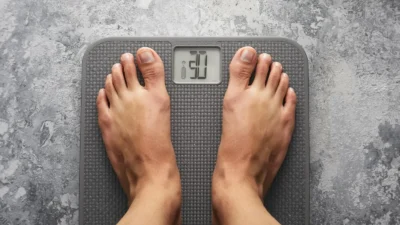
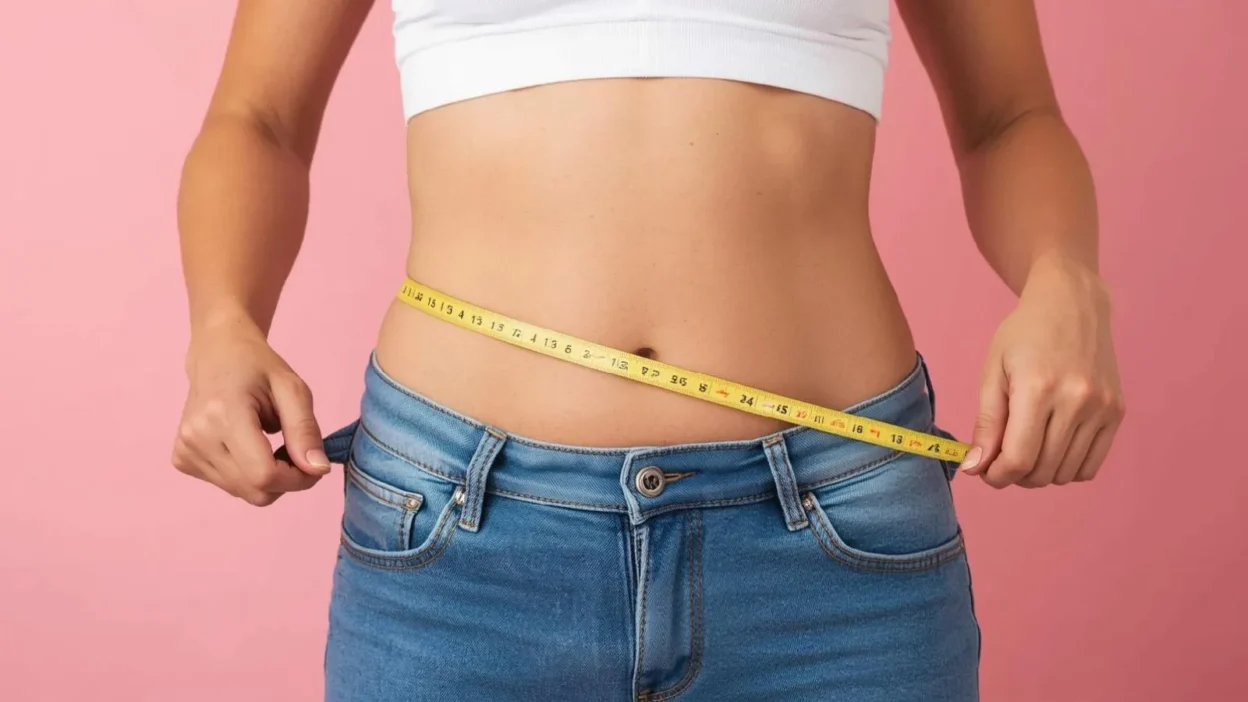
Have you ever noticed that your clothes feel tighter or the scale seems a little higher around the middle of your menstrual cycle? You’re not imagining it. Many women experience subtle weight fluctuations during ovulation, the phase when your body releases an egg in preparation for potential pregnancy. These changes are usually temporary and linked to hormonal shifts rather than actual fat gain.
During ovulation, levels of estrogen peak, and progesterone begins to rise, which can lead to water retention, bloating, and even increased appetite. While these fluctuations are natural, they can sometimes feel frustrating, especially if you’re monitoring your weight closely.
Understanding why these changes happen can help you separate temporary water weight from true fat gain and give you practical strategies to manage discomfort. In this article, we’ll explore the science behind ovulation-related weight changes and provide tips for navigating your cycle with confidence.
Understanding Ovulation
Ovulation is a crucial phase of the menstrual cycle, occurring roughly in the middle of your cycle, usually around day 14 in a typical 28-day cycle. During this time, one of your ovaries releases a mature egg, which travels down the fallopian tube, ready for potential fertilization. While ovulation itself lasts only about 24 hours, the hormonal changes surrounding it can affect your body for several days.
The main hormones at play are estrogen, luteinizing hormone (LH), and progesterone. In the first half of your cycle, estrogen levels rise, helping the egg mature and preparing your uterine lining. Around ovulation, a sudden surge in LH triggers the egg’s release. After ovulation, progesterone increases to support a possible pregnancy, and this hormone shift can lead to water retention, bloating, and even changes in appetite.
It’s important to note that ovulation isn’t just about fertility. These hormonal fluctuations can influence your weight, mood, energy levels, and digestion. Some women may feel more energetic and motivated to exercise, while others notice cravings or mild bloating. By understanding ovulation and its hormonal effects, you can better interpret temporary weight changes and plan lifestyle adjustments to feel more comfortable during this mid-cycle phase.
Why Weight Might Fluctuate During Ovulation
Many women notice a slight increase on the scale or a feeling of bloating during ovulation, and the reasons are largely hormonal. One of the main culprits is water retention. Rising levels of estrogen and progesterone can cause your body to hold onto extra fluid, leading to temporary weight gain that isn’t fat. This bloating can make your abdomen, hips, or even hands and feet feel puffier than usual.
Hormonal changes can also affect your appetite and cravings. Some women find themselves drawn to salty or carbohydrate-rich foods during ovulation. Salt can increase water retention, and carbs can temporarily store water in your muscles, adding to the feeling of weight gain. Additionally, progesterone can slow digestion slightly, causing mild constipation or a sense of fullness.
Even your energy levels and activity may fluctuate. While some women feel more energized during ovulation, others experience fatigue or mood swings, which can reduce daily movement and subtly influence weight trends.
It’s important to remember that these fluctuations are usually temporary. Most women notice their bloating and water retention ease after ovulation, especially once progesterone levels drop before the next period. Understanding these patterns can help you distinguish normal cyclical changes from true fat gain and reduce stress over minor mid-cycle weight shifts.
Real Fat Gain vs. Temporary Weight Gain
It’s essential to distinguish between temporary weight fluctuations caused by hormonal changes and actual fat gain. During ovulation, most of the weight changes you experience are due to water retention and digestive shifts rather than an increase in fat stores. These changes are often temporary, lasting only a few days before your body returns to its normal state.
Water retention is one of the most common reasons for bloating and weight gain during ovulation. As estrogen peaks and progesterone begins to rise, your body retains more fluid. This can lead to puffiness, especially around the abdomen, face, and legs, but it doesn’t mean you’ve gained fat. Once your hormone levels normalize after ovulation, the excess fluid typically leaves your body.
On the other hand, real fat gain happens when you consistently consume more calories than your body burns over time. This is unlikely to happen during ovulation alone unless combined with a long-term pattern of overeating or a drastic change in activity levels.
If you notice that weight gain lasts beyond your cycle or continues to increase week after week, it’s worth looking at your overall eating habits and exercise routine. But short-term fluctuations due to hormonal shifts are completely normal and typically resolve themselves by the end of the luteal phase.
Common Symptoms Associated with Ovulation Weight Changes
In addition to mild weight fluctuations, there are several common symptoms that many women experience during ovulation, many of which are directly related to hormonal shifts. These symptoms can make the weight changes feel more pronounced, but understanding them can help reduce confusion or anxiety about the changes in your body.
One of the most noticeable symptoms is bloating. As estrogen peaks and progesterone rises, your body holds onto extra water, which can cause puffiness around your stomach, face, and limbs. You may feel bloated or experience a slight increase in your waistline. This is perfectly normal and usually disappears as your hormone levels stabilize after ovulation.
Breast tenderness is another common symptom during ovulation. As progesterone increases, your breasts may feel swollen or sore. This can add to the discomfort and contribute to the feeling of weight gain.
Additionally, mood swings and cravings can play a significant role in ovulation weight changes. Some women experience an increased appetite or cravings for salty, sweet, or carb-heavy foods, which can lead to overeating or a feeling of weight gain.
If you’re tracking your cycle, you’ll likely notice that these symptoms tend to fade once you enter the luteal phase and your hormones start to balance out, making it easier to manage temporary weight shifts.
Tips to Manage Weight Fluctuations During Ovulation
While weight fluctuations during ovulation are typically temporary, there are several strategies you can use to manage symptoms and feel more comfortable during this phase of your cycle. Here are a few practical tips to help you navigate ovulation-related weight changes:
- Stay Hydrated
Drinking plenty of water can help reduce water retention. Staying hydrated helps flush excess sodium from your system, which can minimize bloating and puffiness. - Watch Your Sodium Intake
Limit your consumption of salty foods, which can exacerbate water retention. Opt for fresh, whole foods and reduce processed snacks that tend to be high in sodium. - Exercise Regularly
Regular exercise, especially cardio and strength training, can help keep bloating at bay and improve your digestion. Exercise also releases endorphins, which can help balance mood swings and reduce stress. - Eat Balanced Meals
Focus on meals that are rich in fiber, lean proteins, and healthy fats to help control appetite and prevent cravings. This can help you avoid overindulging in salty or sugary foods. - Track Your Cycle
Keeping track of your menstrual cycle and symptoms can help you better predict when you might experience bloating or cravings. Knowing this will allow you to plan your diet and exercise routine around it.
By implementing these simple habits, you can make ovulation-related weight changes feel more manageable and minimize discomfort.
When to Be Concerned
While weight fluctuations during ovulation are typically harmless and temporary, there are situations where you should pay closer attention to any unusual symptoms. If weight gain or bloating lasts beyond your cycle or significantly disrupts your daily life, it may be worth consulting a healthcare provider. Here are a few signs that could indicate an underlying issue:
- Persistent Weight Gain
If you notice weight gain that doesn’t resolve after ovulation or continues to increase week after week, this could suggest that other factorssuch as overeating, stress, or metabolic changesare at play. - Severe or Prolonged Bloating
While mild bloating is common during ovulation, extreme or long-lasting bloating, especially if accompanied by pain or discomfort, may indicate a digestive issue or another underlying condition like irritable bowel syndrome (IBS) or endometriosis. - Changes in Cycle Regularity
Significant changes in your menstrual cycle such as skipping ovulation, irregular periods, or very heavy bleeding could be a sign of hormonal imbalance or reproductive health issues. - Severe Mood Swings or Fatigue
While mood changes are normal, extreme fatigue or feelings of depression can indicate more than just hormonal fluctuations. If these symptoms interfere with your daily life, seeking professional advice may be helpful.
Tracking Your Body and Embracing the Cycle
One of the most effective ways to manage ovulation-related weight fluctuations and overall symptoms is to track your menstrual cycle. By monitoring your cycle and understanding how your body responds at different phases, you can better anticipate the changes in weight, mood, and energy that often come with ovulation.
Tracking apps or a simple calendar can help you pinpoint when ovulation occurs and allow you to notice patterns over time. By identifying these patterns, you can plan ahead for when you’re likely to experience bloating, increased cravings, or fatigue. This awareness can help you make more informed choices about diet, exercise, and self-care.
In addition to tracking, it’s essential to embrace the natural ebb and flow of your cycle. Every woman’s cycle is unique, and understanding your body’s rhythm allows you to adapt to changes instead of fighting them. For instance, if you know you’re prone to cravings during ovulation, you can stock up on healthier snack options or plan meals that satisfy your hunger without derailing your goals.
By respecting your body’s natural fluctuations, you’ll not only reduce stress but also foster a deeper connection to your own health. Recognizing that temporary weight gain or bloating is a normal part of your cycle can empower you to focus on overall wellness rather than getting discouraged by minor fluctuations.
Frequently Asked Questions
1. Does ovulation cause everyone to gain weight?
Not every woman experiences weight gain during ovulation, but many do notice mild bloating or water retention due to hormonal fluctuations. Some women may feel more energetic or even lose weight, depending on how their body reacts to estrogen and progesterone. If you notice temporary weight changes, they are usually tied to fluid retention and not fat gain.
2. How long does ovulation bloating last?
Bloating related to ovulation typically lasts for a few days, from the peak of estrogen just before ovulation until progesterone levels start to decrease after ovulation. Most women see a reduction in bloating and water retention as they move into the luteal phase, right before their period starts.
3. Can I prevent weight gain during ovulation?
While you can’t prevent the hormonal shifts that cause weight fluctuations, you can manage symptoms by staying hydrated, eating balanced meals, exercising regularly, and tracking your cycle. These habits can help reduce bloating and manage cravings, making the changes feel more manageable.
4. Why does my appetite increase during ovulation?
Increased appetite and cravings for certain foods during ovulation are common. Progesterone, the hormone that rises after ovulation, can stimulate hunger and cravings, especially for salty or carb-rich foods. This hormonal shift can lead to overeating if not managed carefully.
Conclusion
Weight fluctuations during ovulation are a natural part of the menstrual cycle, and understanding why they happen can help you approach them with less stress and more confidence. While many women experience temporary weight gain, bloating, or cravings during ovulation, it’s essential to recognize that these changes are typically due to hormonal shifts rather than actual fat gain. Estrogen and progesterone can cause water retention, digestive slowdowns, and appetite changes, all of which contribute to minor fluctuations in weight.
By tracking your cycle, staying hydrated, eating balanced meals, and exercising regularly, you can manage these temporary changes and reduce discomfort. Remember, ovulation is a short-lived phase, and any weight gain or bloating usually resolves within a few days after ovulation ends.
Rather than focusing on short-term changes in weight, it’s more important to embrace your body’s natural rhythm and focus on long-term health and wellness. Acknowledge that fluctuations are a normal part of being a woman and try to stay mindful of your physical and emotional well-being throughout your cycle.
So, the next time you notice temporary weight changes during ovulation, take a deep breath and know that it’s just your body doing its natural thing. With the right strategies in place, you can navigate these changes with ease and stay confident in your body.

William is a passionate wordsmith who loves capturing the essence of life, love, and inspiration through quotes. With a keen eye for meaningful expressions, he curates and crafts words that resonate with readers across the globe. At Quoteblom.com, William’s goal is to bring wisdom, motivation, and a touch of positivity to every visitor, one quote at a time.