
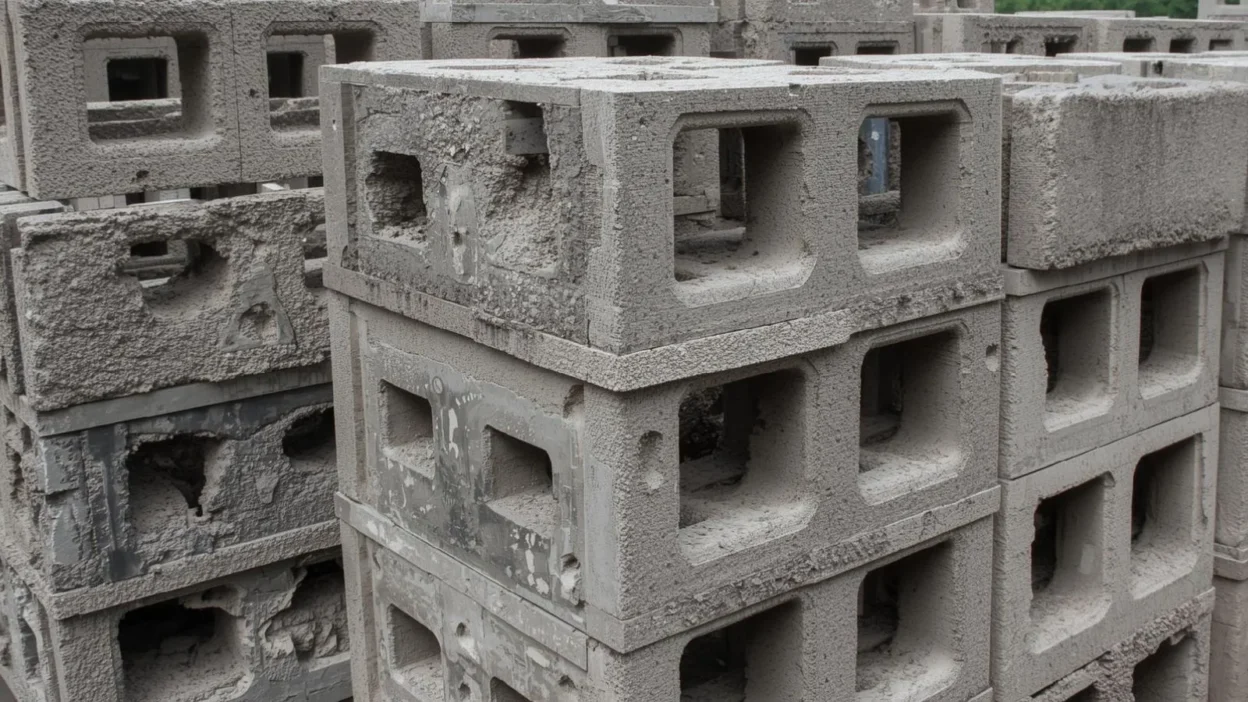
Cinder blocks are one of the most commonly used materials in construction, thanks to their versatility, durability, and affordability. Whether you’re building a garden wall, a foundation, or a backyard firepit, understanding the weight of a cinder block is crucial for planning and execution. The weight influences how easy or difficult it is to handle, transport, and stack these blocks, making it an essential factor in construction projects of all sizes.
In this article, we’ll dive deep into the weight of cinder blocks, exploring how it varies based on size, material composition, and block type. You’ll also learn why knowing the weight of these blocks is vital for everything from structural integrity to cost estimation and safety on the job site. By the end, you’ll have a clear understanding of how much a cinder block weighs and how this knowledge can streamline your next project.
What Is a Cinder Block?
A cinder block, also known as a concrete masonry unit (CMU), is a rectangular building block typically made from a mixture of cement, water, and aggregates like coal cinders, sand, or ash. These materials are combined to create a lightweight yet durable block that is widely used in both residential and commercial construction projects. Cinder blocks are commonly used for foundations, retaining walls, and as structural elements in buildings.
One key characteristic that sets cinder blocks apart from other masonry units is their composition. While traditional concrete blocks use a mix of cement and aggregates like gravel or stone, cinder blocks often incorporate lighter materials like fly ash or coal cinders, which make them less dense and easier to handle.
There’s often confusion between cinder blocks and concrete blocks, but the difference primarily lies in the materials used. Concrete blocks are made with heavier aggregates, making them denser and stronger, while cinder blocks are lighter and typically less durable than their concrete counterparts. However, this lighter weight makes cinder blocks an ideal choice for projects where weight savings and cost efficiency are important factors.
In addition to being lightweight, cinder blocks are also versatile and can be used in various shapes and sizes to suit different construction needs.
Standard Cinder Block Weights
The weight of a cinder block depends largely on its size, material composition, and design. A standard cinder block, measuring 8 inches high, 8 inches wide, and 16 inches long, typically weighs between 35 and 40 pounds (15.8 to 18.1 kg). This size is the most commonly used in construction, offering a balance of strength, durability, and manageability. It is the go-to choice for building walls, foundations, and other structures.
However, the weight of cinder blocks can vary significantly depending on their size and material. For example, smaller cinder blocks, such as those that measure 4 inches or 6 inches in height, weigh less. A 4-inch cinder block might weigh around 25 pounds (11.3 kg), while a 6-inch block may weigh around 30 pounds (13.6 kg). These lighter blocks are often used in non-load-bearing applications or in areas where reducing weight is crucial, such as landscaping.
Larger blocks, such as 12-inch or 16-inch cinder blocks, will naturally be heavier. These are typically used in areas that require extra strength, such as load-bearing walls or industrial structures. For instance, a 12-inch block could weigh upwards of 50 pounds (22.7 kg) or more, depending on the materials used.
Understanding the specific weight of the blocks you’ll be using in your project is important for calculating transportation costs, determining handling requirements, and ensuring the structural integrity of your build.
Factors Affecting Cinder Block Weight
The weight of a cinder block is influenced by several factors, including its material composition, manufacturing process, and environmental conditions. Understanding these factors can help you choose the right cinder block for your project and ensure that you’re fully prepared for transportation and handling.
1. Material Composition:
Cinder blocks are made from a mix of cement, water, and aggregates like coal cinders, sand, or ash. The type of aggregate used plays a significant role in the block’s weight. For example, blocks made with coal cinders or fly ash tend to be lighter, while those with denser aggregates like gravel or crushed stone are heavier. The proportion of these materials can vary by manufacturer and the specific application of the block.
2. Manufacturing Process:
The way a cinder block is produced can affect its weight. Blocks that undergo extensive curing or have additional reinforcements, such as steel rods or mesh, will be heavier. Moreover, some blocks are intentionally designed with air pockets or lighter aggregates to reduce their overall weight without compromising strength.
3. Environmental Conditions:
The weather conditions during the production and storage of cinder blocks can influence their weight. For example, blocks may absorb moisture, making them heavier than originally intended. Extreme temperatures can also cause the materials to expand or contract, affecting the block’s density.
Weight and Handling Considerations
When working with cinder blocks, understanding their weight is crucial for proper handling, transportation, and storage. Cinder blocks are heavy, and their weight impacts various aspects of construction and logistics. Proper planning ensures safety and efficiency, especially when working with large quantities of blocks.
1. Transportation:
Transporting cinder blocks can be costly, especially if you’re dealing with a large number of them. Their weight affects shipping costs and requires appropriate equipment for safe handling. For example, forklifts, cranes, or pallet jacks are commonly used for moving cinder blocks around construction sites. Using the right equipment ensures that workers don’t strain themselves and that the blocks are not damaged during transit.
2. Storage:
Storing cinder blocks requires careful planning to prevent damage and maintain safety on site. Due to their weight, improper stacking can lead to accidents or structural collapse. Blocks should be stacked in a stable, organized manner, with the heaviest ones at the bottom. Additionally, cinder blocks should be stored in dry conditions to avoid moisture absorption, which could alter their weight and make them harder to handle.
3. Labor Considerations:
Handling heavy cinder blocks can put a strain on workers. It’s essential to use proper lifting techniques or mechanical assistance to avoid injury. For larger blocks, labor-saving tools like block lifters or hoists should be used to reduce the physical strain on workers, making the task safer and more efficient.
Cinder Block Weight in Construction Projects
The weight of cinder blocks plays a significant role in construction projects, from their structural integrity to logistical considerations. Understanding how weight impacts different aspects of a project is essential for ensuring that the materials you choose are fit for purpose and that the build is efficient and safe.
1. Structural Integrity and Safety:
Cinder blocks are known for their load-bearing capacity, making them ideal for foundation walls, retaining walls, and structural applications. The weight of the block contributes to its stability and strength. Heavier cinder blocks tend to have higher compressive strength, making them suitable for load-bearing walls or buildings in areas prone to extreme weather, such as earthquakes or heavy winds. Lighter blocks, on the other hand, are often used for non-load-bearing walls or partitions where structural integrity isn’t as critical.
2. Cost Implications:
The weight of cinder blocks can also affect the overall cost of a construction project. Heavier blocks often incur higher transportation costs, as they require specialized equipment and more fuel for shipping. Moreover, handling and storage of heavy blocks may require additional labor or machinery, raising the overall project budget. On the other hand, lighter blocks can help reduce costs, but they might not offer the same level of strength and durability as heavier options.
3. Design Considerations:
The weight of cinder blocks must be factored into the design of a structure. Engineers and architects take block weight into account when determining the building’s load-bearing capacity and when planning for other structural elements like beams and columns.
Alternative Materials and Their Weights
While cinder blocks are a popular choice for many construction projects, they aren’t the only option available. Depending on the specific needs of a project, alternative materials may offer advantages in terms of weight, cost, or structural properties. Understanding the weight of these alternatives is crucial for making the best material choice for your construction needs.
1. Lightweight Concrete Blocks:
Lightweight concrete blocks are made with aggregates like expanded clay, perlite, or vermiculite instead of traditional gravel or stone. These blocks weigh significantly less than standard cinder blocks, often reducing their weight by 30% or more. Lightweight blocks are ideal for projects where reducing the overall load on a structure is a priority, such as in multi-story buildings or areas with soft soil conditions. Despite their reduced weight, they still offer good thermal insulation and fire resistance.
2. Autoclaved Aerated Concrete (AAC) Blocks:
AAC blocks are another alternative to cinder blocks. These blocks are made from a mixture of cement, lime, silica, and water, which is then subjected to steam curing. They are much lighter than traditional concrete or cinder blocks and provide excellent thermal insulation. AAC blocks are used in both residential and commercial construction, especially in areas that require enhanced energy efficiency.
3. Bricks and Stones:
Bricks are heavier than cinder blocks but offer greater compressive strength. Stones, on the other hand, can vary greatly in weight depending on the type. Both materials are used for different aesthetic and structural reasons, with bricks often being chosen for their aesthetic appeal and stones for their natural beauty and durability.
How to Calculate Cinder Block Weight for Your Project
Knowing how to calculate the weight of a cinder block is an essential skill for builders, contractors, and anyone working with these materials. Understanding the weight ahead of time allows for better project planning, more accurate cost estimations, and safer handling. Here’s how you can calculate the weight of a cinder block.
1. Understanding the Formula:
The weight of a cinder block is determined by its volume and the density of the materials used in its construction. To calculate the weight, you’ll need to know the block’s dimensions (length, width, height) and the block’s density (usually measured in pounds per cubic foot or kilograms per cubic meter).
The formula is:
Weight=Volume×Density\text{Weight} = \text{Volume} \times \text{Density}Weight=Volume×Density
2. Volume of the Cinder Block:
To find the volume of the block, multiply the length, width, and height of the block. For example, for a standard 8″ x 8″ x 16″ cinder block:
Volume=8 in×8 in×16 in=1,024 in3\text{Volume} = 8 \, \text{in} \times 8 \, \text{in} \times 16 \, \text{in} = 1,024 \, \text{in}^3Volume=8in×8in×16in=1,024in3
Convert cubic inches to cubic feet (1 cubic foot = 1,728 cubic inches):
Volume in cubic feet=1,0241,728=0.5926 ft3\text{Volume in cubic feet} = \frac{1,024}{1,728} = 0.5926 \, \text{ft}^3Volume in cubic feet=1,7281,024=0.5926ft3
3. Determining the Weight:
Multiply the volume by the density (typically around 120 lbs/ft³ for standard cinder blocks) to get the weight. For the example above, the weight would be approximately 35-40 pounds.
Common Myths About Cinder Block Weight
There are several misconceptions about cinder block weight that can cause confusion for both DIYers and professionals. Debunking these myths is important for understanding the true characteristics of cinder blocks and how to properly use them in construction. Let’s address some of the most common myths surrounding cinder block weight.
1. Myth: Cinder Blocks Are Always Heavy
While cinder blocks are indeed heavier than many other construction materials, they are not uniformly heavy. The weight of a cinder block depends on its size and material composition. For example, a standard 8″ x 8″ x 16″ cinder block weighs around 35-40 pounds, while smaller blocks or those made from lighter aggregates can weigh as little as 25 pounds. In fact, lightweight cinder blocks are a common choice in many construction applications where reducing weight is important.
2. Myth: Lighter Cinder Blocks Are Weak
Another misconception is that lighter cinder blocks are inherently weaker than their heavier counterparts. While it’s true that some lightweight blocks may have lower compressive strength, many are specifically designed for structural applications where weight reduction is needed without compromising strength. Materials like autoclaved aerated concrete (AAC) and certain types of lightweight concrete blocks can provide both reduced weight and excellent load-bearing capacity.
3. Myth: Cinder Block Weight Doesn’t Affect Construction Cost
The weight of cinder blocks can impact more than just handling and labor. Heavier blocks can increase transportation and storage costs due to their weight, especially for large-scale projects. Lighter blocks, while possibly more expensive per unit, can reduce overall project costs by lowering shipping and handling expenses.
FAQs About Cinder Block Weight
1. How much does a standard cinder block weigh?
A standard 8″ x 8″ x 16″ cinder block typically weighs between 35 and 40 pounds (15.8 to 18.1 kg). This weight can vary based on the block’s composition and size.
2. What factors affect the weight of a cinder block?
The primary factors that affect cinder block weight include its size, material composition (e.g., the use of lighter aggregates like coal cinders or fly ash), and the manufacturing process. Some blocks may be designed with air pockets or reinforcements, altering their weight.
3. Are lighter cinder blocks weaker than heavier ones?
Not necessarily. Lighter cinder blocks are often designed for specific purposes, such as non-load-bearing walls, but many lightweight blocks still offer good strength and durability. Materials like autoclaved aerated concrete (AAC) provide strength while reducing weight.
4. How can I calculate the weight of a cinder block?
To calculate the weight of a cinder block, multiply its volume (length × width × height) by its density. For example, a standard 8″ x 8″ x 16″ block has a volume of about 0.59 cubic feet. Multiply this by the block’s density (typically around 120 lbs/cubic foot for standard blocks) to get an estimate.
5. Do cinder blocks absorb moisture, and does this affect their weight?
Yes, cinder blocks can absorb moisture, especially in humid or wet conditions. This can increase their weight, so it’s important to store them properly and ensure they are dry before use.
Conclusion
Understanding the weight of cinder blocks is essential for anyone involved in construction, whether it’s a small DIY project or a large commercial build. The weight of cinder blocks impacts everything from transportation and handling to structural integrity and safety. By knowing how much a cinder block weighs, you can make more informed decisions about the materials you use, how to handle them safely, and how to calculate the costs involved.
Cinder blocks, with their variety in sizes, compositions, and weights, offer a versatile and reliable solution for many construction applications. While standard blocks weigh between 35-40 pounds, it’s important to remember that lighter and heavier options are available, each suited to different project needs. Whether you’re looking to reduce weight for ease of handling or select a stronger, heavier block for structural strength, the weight of the block should always align with your project’s requirements.
Lastly, dispelling myths around cinder block weight helps clear up confusion and ensures you make the best decisions for your construction project. Keep in mind that the right cinder block weight can influence everything from labor to cost and the long-term durability of your build. Armed with this knowledge, you’re now better equipped to choose the right blocks for your next project and handle them with confidence.

Silva is a passionate writer and thinker dedicated to capturing the essence of life through inspiring quotes and reflections. With a keen eye for words that motivate, uplift, and spark meaningful thought, Silva shares insights that resonate deeply with readers seeking positivity, wisdom, and self-growth. At quoteblom.com, Silva’s work brings a blend of creativity and authenticity, making every quote a moment of inspiration.