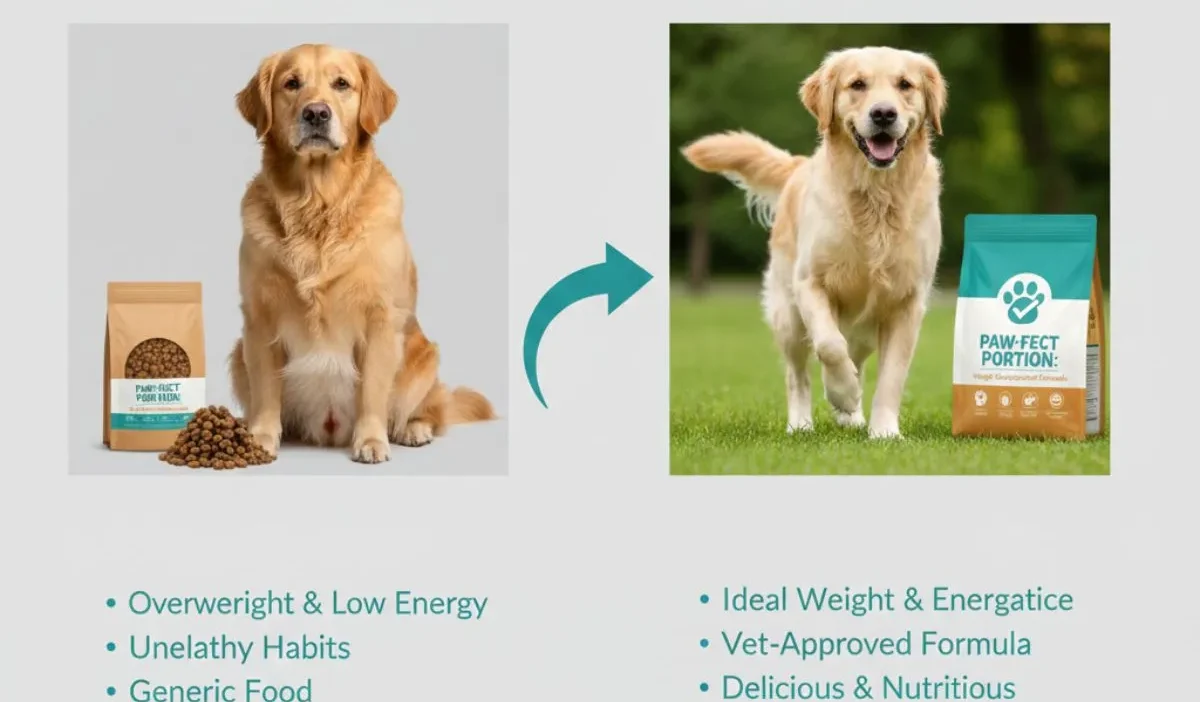
Maintaining a healthy weight is crucial for your dog’s overall well-being, yet obesity in pets is becoming increasingly common. Overweight dogs face a higher risk of serious health issues such as diabetes, heart disease, joint problems, and a shorter lifespan.
Much like humans, diet plays a central role in weight management, and choosing the right dog food can make a significant difference. With a wide range of products available from low-calorie kibble to high-protein prescription diets finding the perfect option for your furry friend can feel overwhelming.
This guide will help you navigate the world of weight management dog food, highlighting key nutrients, top-rated products, feeding strategies, and lifestyle tips to support healthy weight loss. Whether your dog needs to shed a few pounds or manage chronic weight issues, these expert-backed insights will empower you to make informed choices and help your dog live a healthier, happier life.
Understanding Dog Obesity
Dog obesity is a growing concern worldwide, affecting pets of all breeds and ages. An overweight dog isn’t just a cosmetic issue it can lead to serious health complications, including diabetes, heart disease, joint problems, and even a shortened lifespan. Obesity typically occurs when a dog consumes more calories than it burns, which can result from overfeeding, lack of exercise, or underlying medical conditions such as hypothyroidism or Cushing’s disease.
Certain breeds are more prone to weight gain, including Labrador Retrievers, Beagles, and Dachshunds, while older dogs may naturally become less active and gain weight more easily. Recognizing the signs of obesity early is essential. Common indicators include difficulty moving, excessive panting, an inability to feel ribs under a layer of fat, and a noticeable “waist” loss when viewed from above.
Veterinarians often use a Body Condition Score (BCS) to assess whether a dog is underweight, healthy, or overweight. Regular weight checks, combined with a healthy diet and exercise, are the most effective ways to prevent obesity. Understanding your dog’s weight status is the first step toward creating a sustainable weight management plan tailored to their needs.
Nutritional Basics for Weight Management
Proper nutrition is the cornerstone of managing your dog’s weight. A well-balanced diet provides essential nutrients while controlling calorie intake, ensuring your dog loses weight safely without sacrificing energy or overall health. Key nutrients to focus on include high-quality protein, fiber, healthy fats, and carbohydrates. Protein supports lean muscle mass, which is vital for maintaining metabolism during weight loss, while fiber helps your dog feel full and satisfied between meals.
Low-calorie diets are often recommended for overweight dogs, but they must still meet daily nutritional requirements. Avoid foods with excessive fillers, sugars, and artificial additives, as these can contribute to weight gain and provide little nutritional value. Ingredients like L-carnitine may support fat metabolism, and omega-3 fatty acids can help reduce inflammation in joints, which is particularly beneficial for heavier dogs.
Portion control is equally important. Feeding the correct amount based on your dog’s breed, size, age, and activity level helps prevent overfeeding, even with healthy dog food. Regularly monitoring your dog’s weight and adjusting portions gradually ensures steady, safe weight loss. Combined with the right type of food, these nutritional strategies create a solid foundation for long-term weight management and overall health.
Types of Weight Management Dog Food
Choosing the right type of dog food is essential for effective weight management. There are several options available, each with unique benefits depending on your dog’s preferences, health, and lifestyle.
Dry Kibble: Dry dog food is the most common choice and often comes in low-calorie formulas designed for weight control. Kibble is convenient, easy to measure, and can help with dental health by reducing plaque buildup. Look for high-protein, fiber-rich options that promote satiety without excess calories.
Wet/Canned Food: Wet dog food contains more moisture, making it more palatable and satisfying for some dogs. While it can be slightly higher in calories than dry food, it can help keep your dog hydrated and feel fuller with smaller portions.
Prescription Diets: Veterinarians may recommend prescription weight management diets for dogs with obesity-related health issues. These foods are carefully formulated to promote safe, gradual weight loss while ensuring all essential nutrients are provided.
Homemade Diets: Homemade or DIY meals allow complete control over ingredients, which is useful for dogs with allergies or specific dietary needs. However, creating a balanced weight management diet at home requires careful planning and consultation with a vet or pet nutritionist to avoid nutrient deficiencies.
Selecting the right type of food involves considering your dog’s taste preferences, health conditions, and lifestyle, combined with portion control and regular monitoring.
Key Ingredients to Look For & Avoid
When choosing a weight management dog food, paying attention to ingredients is crucial. Certain nutrients support healthy weight loss, while others can contribute to weight gain or offer little nutritional value.
Ingredients to Look For:
- Lean Protein: Chicken, turkey, fish, or lamb helps maintain muscle mass and supports metabolism.
- Fiber: Ingredients like beet pulp, pea fiber, or brown rice help your dog feel full and reduce overeating.
- L-Carnitine: Supports fat metabolism and helps preserve lean muscle during weight loss.
- Omega-3 Fatty Acids: Found in fish oil or flaxseed, these help reduce inflammation, particularly in joints stressed by excess weight.
- Vitamins & Minerals: Ensure the dog’s overall health is maintained during calorie reduction.
Ingredients to Avoid:
- Excess Fillers: Corn, wheat, or soy can add calories without much nutrition.
- Sugars & Artificial Additives: Can contribute to weight gain and affect overall health.
- High-Fat Ingredients: While some fats are necessary, excessive fats can quickly increase calorie intake.
Reading dog food labels carefully is essential. Choose products where high-quality protein is the first ingredient, fiber is adequate, and unnecessary fillers or sugars are minimized. By focusing on the right ingredients, you can support safe weight loss while keeping your dog satisfied and healthy.
Top Weight Management Dog Foods
Selecting the right dog food can make a big difference in helping your pet achieve and maintain a healthy weight. Here are some of the best options across different categories:
1. Dry Kibble: Brands like Hill’s Science Diet Adult Perfect Weight and Royal Canin Weight Care are popular for their low-calorie, high-protein formulas. They help maintain muscle while promoting fat loss and are easy to measure for portion control.
2. Wet/Canned Food: Blue Buffalo Healthy Weight Canned Dog Food offers high moisture content to help your dog feel full with fewer calories. Wet food is especially helpful for picky eaters or dogs who need extra hydration.
3. Prescription Diets: Hill’s Prescription Diet Metabolic and Royal Canin Satiety Support are formulated specifically for dogs struggling with obesity or weight-related health issues. They provide balanced nutrition while supporting gradual, safe weight loss.
4. Budget-Friendly Options: For cost-conscious pet owners, brands like Purina Pro Plan Weight Management offer a balance of quality ingredients, fiber, and protein at a reasonable price.
When choosing a weight management dog food, consider your dog’s age, breed, size, and health conditions. Always consult your veterinarian for personalized recommendations, especially if your dog has underlying medical issues. Regular monitoring of weight and body condition will ensure the chosen food supports sustainable, healthy weight loss.
Feeding Guidelines & Portion Control
Proper feeding and portion control are essential for successful weight management in dogs. Even the healthiest weight management dog food can lead to weight gain if overfed, so understanding how much to feed is critical.
Calculate Daily Calorie Needs: Every dog’s calorie requirement depends on breed, size, age, and activity level. Small dogs burn fewer calories than large breeds, and active dogs require more energy than sedentary pets. Many dog food brands provide feeding charts based on weight, but it’s important to adjust based on your dog’s response.
Portion Control: Use a measuring cup or scale to ensure accurate portions. Avoid free-feeding, where food is left out all day, as this encourages overeating. Split the daily allowance into two to three meals to keep your dog satisfied and prevent begging behaviors.
Adjust Gradually: If your dog is overweight, reduce portions slowly, typically by 10–15%to avoid hunger or digestive issues. Monitor weight weekly and adjust as needed.
Treat Management: Treats should make up no more than 10% of daily calories. Choose low-calorie options like carrot sticks or specially formulated dog treats for weight control.
Combined with the right diet, careful portioning and consistent feeding schedules create the foundation for safe, sustainable weight loss. Regular monitoring ensures your dog stays on track while staying healthy and happy.
Transitioning Your Dog to a Weight Management Diet
Switching your dog to a weight management diet requires care to avoid digestive upset and ensure long-term success. A sudden change in diet can cause diarrhea, vomiting, or loss of appetite, so gradual transitions are essential.
Gradual Introduction: Begin by mixing 25% of the new food with 75% of the old food for the first two to three days. Gradually increase the proportion of the new food every two to three days until your dog is fully transitioned. This slow approach helps their digestive system adjust and reduces stress associated with dietary changes.
Monitor Your Dog: Observe your dog for signs of discomfort, such as loose stools or reduced appetite. If problems persist, slow the transition further or consult your veterinarian.
Portion Adjustments: Weight management diets are often lower in calories, so measure carefully to maintain appropriate calorie intake. Avoid overfeeding by following the recommended portions and monitoring your dog’s weight weekly.
Positive Reinforcement: Encourage your dog to enjoy the new diet by pairing meals with affection or brief playtime. Avoid feeding table scraps, as these can undermine weight loss efforts.
With patience and consistency, your dog will adapt smoothly to a healthier diet, setting the stage for successful, sustainable weight management.
Lifestyle & Exercise Tips for Weight Management
Diet alone is rarely enough to manage a dog’s weight effectively. Combining the right food with regular exercise and an active lifestyle ensures sustainable weight loss and overall health.
Daily Exercise: Aim for at least 30 to 60 minutes of activity per day, depending on your dog’s age, breed, and fitness level. Activities can include walks, jogs, fetch, or swimming. Exercise boosts metabolism, burns calories, and strengthens muscles and joints, which is particularly important for overweight dogs.
Interactive Play: Mental stimulation through games like puzzle feeders, hide-and-seek, or tug-of-war helps prevent boredom-related overeating. Toys that encourage movement can increase activity without feeling like a formal workout.
Consistency Matters: Create a daily routine that balances feeding times with physical activity. Dogs thrive on structure, and a consistent schedule helps regulate appetite and energy levels.
Monitor Progress: Keep track of your dog’s weight, body condition score, and energy levels. Adjust activity and diet as needed to ensure gradual and safe weight loss.
Combine With Diet: Even the best weight management dog food is most effective when paired with regular exercise. By fostering an active lifestyle alongside a balanced diet, you can help your dog achieve a healthy weight and enjoy a longer, happier life.
Homemade / DIY Weight Management Dog Food
For pet owners who prefer complete control over their dog’s diet, homemade or DIY meals can be an excellent option for weight management. By preparing meals yourself, you can carefully select lean proteins, fiber-rich vegetables, and healthy carbohydrates while avoiding fillers, sugars, and artificial additives that contribute to weight gain.
Key Ingredients for Homemade Meals: Include lean meats like chicken, turkey, or fish, fiber-rich vegetables such as green beans or carrots, and complex carbohydrates like sweet potatoes or brown rice. Adding small amounts of healthy fats from fish oil or flaxseed supports joint health and keeps your dog’s coat shiny.
Portion Control: Even with homemade meals, calorie counting is essential. Overfeeding can negate the benefits of a low-calorie diet. Use a kitchen scale and follow vet-recommended portion guidelines.
Consult a Veterinarian: It’s critical to ensure homemade diets are nutritionally complete. Dogs have specific vitamin, mineral, and amino acid requirements, and deficiencies can lead to serious health issues. A vet or pet nutritionist can help create balanced recipes tailored to your dog’s breed, age, and activity level.
Homemade weight management meals provide flexibility and control but require careful planning and consistency to achieve safe, effective weight loss for your dog.
Frequently Asked Questions
1. How long does it take for a dog to lose weight safely?
Safe weight loss for dogs is usually 1–2% of their body weight per week. Rapid weight loss can be dangerous, so gradual reduction is recommended.
2. Can older dogs lose weight safely?
Yes, older dogs can lose weight, but they may require slower adjustments in diet and more gentle exercise. Regular vet check-ups are essential.
3. Are grain-free foods better for weight loss?
Not necessarily. Grain-free dog food is only beneficial for dogs with grain sensitivities. Weight management depends on calorie content, protein, and fiber, not just the presence of grains.
4. Can treats be included in a weight loss plan?
Yes, but treats should make up no more than 10% of daily calories. Opt for low-calorie or healthy treats like carrot sticks, green beans, or specially formulated diet treats.
5. How do I know if my dog’s weight management plan is working?
Monitor weekly weight changes, use a Body Condition Score, and watch for improved energy and mobility. Adjust food portions and exercise as needed.
Conclusion
Managing your dog’s weight is one of the most important steps you can take to ensure a long, healthy, and happy life for your furry companion. Obesity in dogs can lead to serious health problems, including diabetes, joint issues, and heart disease, making proper diet and exercise essential. Choosing the right weight management dog food whether it’s dry kibble, wet food, prescription diets, or carefully planned homemade meals is key to providing balanced nutrition while controlling calorie intake.
Equally important are portion control and feeding schedules. Measuring meals accurately, avoiding free-feeding, and limiting high-calorie treats help prevent overeating and promote steady weight loss. Coupling diet with daily exercise, interactive play, and mental stimulation ensures your dog burns calories while maintaining lean muscle mass and overall health.
Regular monitoring, including weekly weight checks and Body Condition Scores, allows you to track progress and make adjustments as needed. Consulting with a veterinarian can provide personalized guidance, especially for dogs with underlying health conditions.
By combining high-quality food, proper portions, and an active lifestyle, you can help your dog achieve a healthy weight safely and sustainably. A well-managed weight not only improves physical health but also enhances energy, mobility, and overall quality of life.

Joseph is a passionate writer and quote curator at QuoteBlom.com, dedicated to bringing inspiration, wisdom, and a touch of motivation to every reader. With a keen eye for meaningful words and life-changing insights, Joseph carefully selects and shares quotes that uplift, empower, and spark thoughtful reflection. Whether you’re looking for a daily dose of positivity, love, or life advice, Joseph’s writings are designed to resonate with readers from all walks of life, making each visit to QuoteBlom.com a journey of inspiration.