
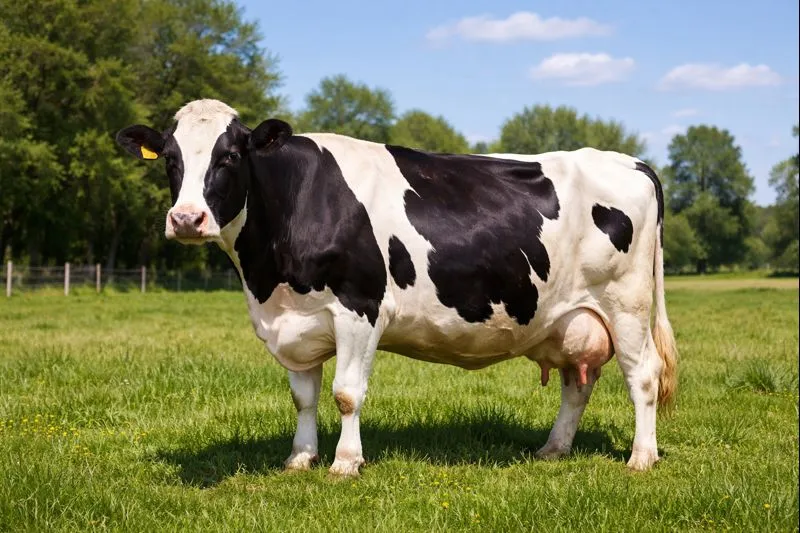
Cows are among the most recognizable farm animals in the world, but one common question people often ask is: how much does a cow weigh? The average weight of a cow can vary significantly depending on factors such as breed, age, sex, and whether the cow is raised for dairy or beef production. While some cows may weigh just under 1,000 pounds, others can grow to well over 1,800 pounds under the right conditions.
Understanding cow weight isn’t just useful for farmers and ranchers it’s also valuable for students, animal enthusiasts, and anyone curious about livestock and agriculture. Cow weight plays an important role in feeding plans, animal health, transportation, and overall farm management.
In this article, we’ll explore the average cow weight, break it down by breed and age, compare cows to bulls and calves, and explain the key factors that influence how heavy a cow can become. By the end, you’ll have a clear, complete understanding of cow weight and why it matters.
Average Weight of a Cow (Quick Answer)
The average weight of a cow typically ranges between 1,000 and 1,800 pounds (450 to 820 kilograms). Most adult female cows fall somewhere in the middle of this range, depending on their breed, age, diet, and purpose. Beef cows are usually heavier and more muscular, while dairy cows often have a larger frame but less muscle mass.
For quick comparison, here are typical weight averages for cattle:
- Adult cow (female): 1,000–1,800 lbs (450–820 kg)
- Adult bull (male): 1,800–2,400 lbs (820–1,090 kg)
- Calf at birth: 60–100 lbs (27–45 kg)
These numbers represent averages rather than fixed limits. Some smaller breeds, such as Jersey cows, may weigh under 1,000 pounds, while large breeds like Charolais or Holstein cows can exceed 1,800 pounds when fully mature.
It’s also important to note that a cow’s weight changes throughout its life. Young cows gain weight rapidly during their first two years, reach peak weight in adulthood, and may lose weight as they age. Because of this natural variation, farmers and veterinarians focus on healthy weight ranges rather than a single “ideal” number.
What Is Considered a Cow?
Although the term cow is often used to describe all cattle, it technically refers to a mature female bovine that has given birth to at least one calf. Understanding this definition is important when discussing the average weight of a cow, as different types of cattle vary greatly in size and weight.
Here are the main cattle classifications and how they differ:
- Cow: An adult female that has calved; typically weighs 1,000–1,800 pounds
- Heifer: A young female that has not yet had a calf; usually lighter than a mature cow
- Bull: An adult male used for breeding; significantly heavier and more muscular
- Steer: A castrated male raised primarily for beef; weight varies by breed and age
- Calf: A young bovine under one year old; much smaller and still growing
Many people mistakenly include bulls or steers when asking how much a cow weighs, which can lead to confusion. Bulls, for example, can weigh hundreds of pounds more than cows, while calves weigh only a fraction of an adult cow’s weight.
By clearly defining what a cow is, it becomes easier to understand weight averages and make accurate comparisons. This distinction is especially important in farming, veterinary care, and livestock transport, where precise weight estimates directly affect animal health and safety.
Average Weight of an Adult Cow
The average weight of an adult cow generally falls between 1,000 and 1,800 pounds (450 to 820 kilograms). Most mature cows reach this weight by the time they are three to five years old, depending on their breed, nutrition, and overall management. While this range represents a typical healthy cow, individual animals may weigh slightly more or less.
Beef cows often have a more muscular build, which contributes to higher body weight, especially in breeds such as Angus, Hereford, and Charolais. Dairy cows, on the other hand, tend to have larger frames but less muscle mass, with breeds like Holstein and Brown Swiss commonly weighing toward the upper end of the range.
A cow’s weight is also influenced by body condition. Healthy cows maintain a balance between muscle and fat, while underfed or sick cows may weigh significantly less than average. Overfeeding, however, can lead to excessive weight, which may cause health and reproductive issues.
Environmental factors also play a role. Cows raised in cooler climates often weigh more due to increased feed intake and thicker body mass, while cows in hotter regions may remain lighter. For these reasons, farmers focus on maintaining cows within an appropriate weight range rather than targeting a single number.
Average Cow Weight by Breed
Breed is one of the most important factors influencing the average weight of a cow. Different cattle breeds have been selectively developed for specific purposes, such as milk production, meat yield, or adaptability to certain climates. As a result, cow weight can vary widely from one breed to another.
Beef cattle breeds are generally heavier and more muscular. For example, Angus and Hereford cows typically weigh between 1,200 and 1,600 pounds, while larger breeds like Charolais and Limousin can reach 1,600 to 1,900 pounds when fully mature. These breeds are designed to efficiently convert feed into muscle mass.
Dairy cattle breeds usually have a larger skeletal frame but less muscle. Holstein cows, one of the most common dairy breeds worldwide, often weigh 1,500 to 1,800 pounds. In contrast, smaller dairy breeds such as Jersey cows may weigh only 900 to 1,200 pounds, making them one of the lightest common cattle breeds.
There are also heritage and miniature breeds that weigh significantly less than commercial cattle. These cows are often raised on small farms or for conservation purposes.
Understanding breed-specific weight ranges helps farmers, veterinarians, and buyers accurately assess cow health, productivity, and management needs.
Cow Weight by Age
A cow’s weight changes significantly throughout its life, making age a key factor when discussing the average weight of a cow. From birth to full maturity, cows experience rapid growth before their weight stabilizes in adulthood.
Calves are born relatively small, usually weighing between 60 and 100 pounds (27–45 kg) at birth. During the first few months, calves grow quickly as they rely on milk and later transition to solid feed. By six months of age, many calves weigh 400 to 600 pounds.
Heifers, which are young female cows that have not yet calved, continue gaining weight steadily. By the time a heifer reaches breeding age—typically around 15 to 18 months—she often weighs 60–65% of her mature body weight, usually between 700 and 1,100 pounds, depending on breed.
Mature cows reach their full weight between three and five years of age. At this stage, most cows fall within the 1,000 to 1,800-pound range. After reaching maturity, weight gain slows, and maintaining a healthy condition becomes more important than growth.
As cows age further, senior cows may gradually lose weight due to reduced muscle mass or dental issues. Proper nutrition and care are essential to keep older cows healthy and productive.
Cow vs Bull vs Steer: Weight Differences
When discussing the average weight of a cow, it’s important to compare cows with other types of cattle, especially bulls and steers. These animals differ significantly in size due to genetics, hormones, and their role in livestock production.
An adult cow (female) typically weighs between 1,000 and 1,800 pounds. In comparison, an adult bull is much heavier, often weighing 1,800 to 2,400 pounds, with some large breeds exceeding this range. Bulls develop greater muscle mass and heavier bone structure due to higher testosterone levels, which contributes to their increased size and strength.
A steer, which is a castrated male raised primarily for beef, usually weighs less than a bull but can be similar in weight to or heavier than a cow. Mature steers commonly weigh between 1,200 and 1,600 pounds, depending on breed, diet, and age. Because steers are not used for breeding, their growth is directed more toward meat production.
These weight differences matter in practical settings such as feeding programs, handling, and transportation. Bulls require stronger facilities and additional safety precautions, while cows and steers are generally easier to manage. Understanding these distinctions helps ensure accurate weight estimates and proper livestock care.
Dairy Cows vs Beef Cows: Weight Comparison
The average weight of a cow also depends heavily on whether the animal is raised for dairy or beef production. Although both are cattle, dairy cows and beef cows have been selectively bred for very different purposes, which directly affects their body structure and weight.
Dairy cows are bred to produce large volumes of milk. As a result, they tend to have larger skeletal frames, longer legs, and less muscle mass. Popular dairy breeds like Holstein and Brown Swiss often weigh between 1,500 and 1,800 pounds, placing them near the upper end of the average cow weight range. Smaller dairy breeds, such as Jersey cows, usually weigh much less, often under 1,200 pounds.
Beef cows, on the other hand, are bred for meat production. They typically have a stockier build, heavier muscle development, and a more compact frame. Beef cows commonly weigh between 1,200 and 1,600 pounds, though larger breeds may exceed this range when fully mature.
Despite these differences, both dairy and beef cows can fall within the same overall weight range. The key difference lies in body composition rather than total weight. Understanding this distinction helps farmers manage feeding, health care, and breeding strategies more effectively.
Factors That Affect a Cow’s Weight
Several factors influence the average weight of a cow, which is why no single number applies to all cattle. One of the most important factors is genetics. A cow’s breed determines its natural size, growth rate, and body structure, setting the foundation for how heavy it can become.
Diet and nutrition also play a major role. Cows that receive balanced diets with adequate energy, protein, vitamins, and minerals tend to reach healthy weight ranges. Poor-quality feed or nutritional deficiencies can result in underweight cows, while excessive feeding may cause unhealthy weight gain.
Age and growth stage are equally important. Young cows gain weight rapidly, mature cows maintain stable weights, and older cows may lose weight due to reduced muscle mass or dental issues. Health status affects weight as well, as illness, parasites, or stress can limit feed intake and nutrient absorption.
Environmental conditions such as climate and housing also influence cow weight. Cows in colder climates often consume more feed and weigh more, while heat stress in warmer regions can reduce appetite and slow weight gain.
Finally, a cow’s purpose, whether dairy or beef, determines how it is managed and fed. All of these factors together explain why cow weights vary so widely even within the same herd.
Frequently Asked Questions
How much does a cow weigh on average?
The average adult cow weighs between 1,000 and 1,800 pounds (450–820 kilograms). The exact weight depends on breed, age, diet, and whether the cow is raised for dairy or beef production.
How much does a cow weigh at birth?
Most calves are born weighing 60 to 100 pounds. Larger breeds tend to have heavier calves, while smaller breeds produce lighter newborns.
How much more does a bull weigh than a cow?
Bulls are usually 30–50% heavier than cows. An adult bull often weighs between 1,800 and 2,400 pounds, compared to an average cow’s 1,000–1,800 pounds.
What is the heaviest cow breed?
Some of the heaviest cow breeds include Charolais, Chianina, and Holstein, with mature cows sometimes exceeding 1,800 pounds under proper management.
Can a cow weigh over 2,000 pounds?
Yes, certain large breeds and exceptionally well-fed cows can weigh over 2,000 pounds, though this is not typical for most cows.
How do farmers estimate a cow’s weight without a scale?
Farmers often use weight tapes, body measurements, or visual assessment to estimate cow weight when scales are not available.
Conclusion
The average weight of a cow typically falls between 1,000 and 1,800 pounds, but as this guide has shown, cow weight can vary widely depending on several important factors. Breed, age, sex, diet, health, and whether the cow is raised for dairy or beef production all play a role in determining how heavy a cow becomes. Because of these variables, there is no single “perfect” weight that applies to every cow.
Understanding cow weight is important for more than just curiosity. For farmers and ranchers, maintaining cows within a healthy weight range supports proper nutrition, reproduction, and long-term productivity. For students, researchers, and animal enthusiasts, knowing how cow weight changes over time helps build a clearer picture of livestock growth and management.
From lightweight calves to fully mature cows and significantly heavier bulls, cattle display a wide range of sizes throughout their lives. By focusing on healthy weight ranges rather than exact numbers, it becomes easier to assess cow welfare and overall condition.
Whether you’re learning about agriculture, managing livestock, or simply wondering how much a cow weighs, this information provides a solid foundation. With the right care and nutrition, cows can maintain healthy weights that support both animal well-being and agricultural success.

Silva is a passionate writer and thinker dedicated to capturing the essence of life through inspiring quotes and reflections. With a keen eye for words that motivate, uplift, and spark meaningful thought, Silva shares insights that resonate deeply with readers seeking positivity, wisdom, and self-growth. At quoteblom.com, Silva’s work brings a blend of creativity and authenticity, making every quote a moment of inspiration.