
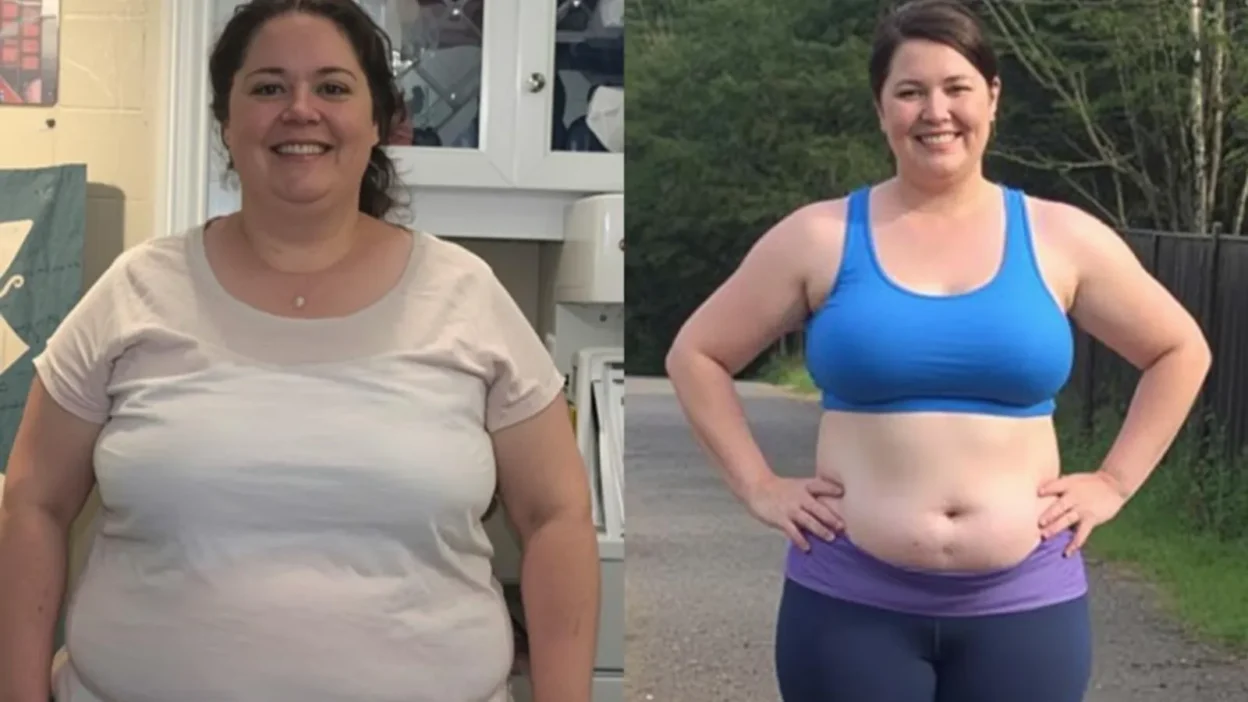
Gastric sleeve surgery, or sleeve gastrectomy, has become one of the most widely chosen weight-loss procedures, helping countless individuals transform their health. The surgery involves removing a large portion of the stomach, which not only limits food intake but also reduces hunger hormones, making it easier to lose weight. While the procedure is highly effective, many people wonder: How much weight can I actually lose with gastric sleeve surgery?
In this article, we’ll explore the average weight loss patients can expect after gastric sleeve surgery, shedding light on the factors that influence results. From the initial rapid weight loss to the slower, more sustainable progress over time, it’s important to understand what to expect and how to maximize success. Whether you’re considering the surgery or have already undergone it, this guide will provide valuable insights into the weight-loss journey with gastric sleeve surgery.
Understanding Gastric Sleeve Surgery
Gastric sleeve surgery, also known as sleeve gastrectomy, is a popular weight-loss surgery that involves the removal of a large portion of the stomach, leaving behind a “sleeve” or tube-shaped stomach. This drastic reduction in stomach size means that patients can only eat smaller amounts of food, leading to a significant reduction in calorie intake. Additionally, the surgery reduces the levels of ghrelin, the hormone responsible for hunger, which helps curb cravings and suppress appetite.
While the primary goal of gastric sleeve surgery is weight loss, it is important to understand that the procedure alone isn’t a guarantee of success. The surgery acts as a tool, but long-term success relies heavily on lifestyle changes, including a balanced diet, regular exercise, and psychological support.
In the first few months following surgery, most patients experience rapid weight loss due to the drastic reduction in calorie intake and the body’s initial response to the procedure. However, this quick drop in weight eventually slows down as the body adjusts, and maintaining weight loss becomes more challenging. Typically, patients lose the majority of their excess weight within the first year, with gradual, more sustained weight loss continuing over the next year or two.
The overall weight loss outcome will depend on various factors, including individual metabolism, adherence to lifestyle recommendations, and the presence of any underlying health conditions.
Average Weight Loss with Gastric Sleeve
The amount of weight loss experienced after gastric sleeve surgery can vary significantly from person to person. However, on average, most patients lose about 50-70% of their excess weight within the first 12-18 months after surgery. This is typically seen in patients who adhere to post-surgery guidelines, including following a healthy, balanced diet and maintaining a regular exercise routine.
In the first few months post-surgery, rapid weight loss is common. Patients may lose between 10-20 pounds per month during the first 3-6 months. This initial weight loss phase is due to the body’s response to the significant reduction in food intake and the surgical changes made to the stomach.
After the first year, weight loss typically slows down, with most individuals losing an additional 1-2 pounds per week. By the end of the second year, many patients will have achieved approximately 60-75% of their weight loss goal. It’s important to note that while the rate of weight loss slows, it doesn’t stop entirely.
Some patients may experience a weight loss plateau, where progress seems to stall. This is normal and can be addressed by revisiting dietary habits, adjusting exercise routines, or seeking guidance from a healthcare provider to stay on track. Long-term, gradual weight maintenance is key to sustained success.
Factors Influencing Weight Loss with Gastric Sleeve
While gastric sleeve surgery provides a powerful tool for weight loss, the results are influenced by a variety of factors beyond the surgery itself. Understanding these factors can help set realistic expectations and maximize long-term success.
1. Pre-Surgery Weight and Health Conditions
Patients with a higher starting weight or a higher BMI (Body Mass Index) typically lose more weight in the first year after surgery compared to those who are closer to their ideal weight. Additionally, individuals with certain health conditions, such as diabetes or hypothyroidism, may experience slower weight loss due to metabolic factors that can affect how the body processes food and burns fat.
2. Age and Gender
Age plays a role in weight loss outcomes, with younger patients generally losing weight more quickly than older adults. Additionally, gender differences can impact results, as women tend to lose weight at a slower rate than men. This may be due to differences in metabolism, muscle mass, and hormonal fluctuations.
3. Diet and Exercise
Post-surgery adherence to a healthy, nutrient-dense diet is crucial for success. Patients must follow strict dietary guidelines, including protein intake, portion control, and avoiding high-calorie foods. Exercise also plays a significant role, as regular physical activity helps prevent muscle loss and supports fat burning, contributing to a sustainable weight loss trajectory.
Lifestyle Changes After Gastric Sleeve Surgery
Gastric sleeve surgery is not a “quick fix”; rather, it is a life-altering procedure that requires significant lifestyle changes to achieve and maintain weight loss. After the surgery, adopting healthy habits is essential for long-term success.
1. Post-Surgery Diet
Immediately after surgery, patients follow a liquid diet for the first few weeks, gradually transitioning to pureed foods and, eventually, solid foods. This step-by-step approach helps the body adjust to the new stomach size and prevents complications. Long-term, the focus shifts to a high-protein, low-carb diet with smaller meal portions. Eating nutrient-dense foods, like lean meats, vegetables, and healthy fats, helps patients feel fuller for longer while providing necessary vitamins and minerals. Portion control is crucial, as overeating can lead to complications like stretching the stomach or dumping syndrome.
2. Exercise
Physical activity is a cornerstone of sustained weight loss. Once cleared by a doctor, patients should aim for at least 30 minutes of moderate exercise most days of the week. Strength training, cardiovascular exercises, and flexibility workouts are important to preserve muscle mass and improve overall fitness. Regular exercise can also help combat the emotional and mental challenges that often arise during the weight loss journey.
3. Emotional Support
Gastric sleeve surgery can be an emotional rollercoaster. Support groups, counseling, or therapy can help patients navigate the psychological challenges of adapting to a new lifestyle.
Common Challenges and Plateaus After Gastric Sleeve
While gastric sleeve surgery can lead to significant weight loss, many patients face challenges along the way, including weight loss plateaus and other hurdles that can hinder progress. Understanding these challenges and how to overcome them is crucial to maintaining success in the long term.
1. Weight Loss Plateaus
A common occurrence after gastric sleeve surgery is hitting a weight loss plateau. After the initial rapid weight loss phase, many patients find that their progress slows down or stalls completely. This can be frustrating, but it’s important to remember that plateaus are a normal part of the weight loss process. Factors like metabolic adaptation, reduced calorie intake, or muscle loss can contribute to plateaus. To overcome this, patients may need to re-evaluate their diet and exercise regimen, making adjustments like increasing physical activity, reducing calorie intake further, or focusing on strength training to build muscle.
2. Emotional and Psychological Struggles
The psychological aspect of weight loss can be just as challenging as the physical. Some patients may experience feelings of frustration, anxiety, or even guilt if they are not seeing the results they expect. It’s essential to seek emotional support from counselors, support groups, or healthcare professionals to address these mental barriers.
3. Stretching of the Stomach
In some cases, patients may accidentally stretch the stomach pouch through overeating or consuming high-calorie foods. This can lead to slower weight loss and even weight regain. To prevent this, it’s crucial to stick to recommended portion sizes and avoid high-calorie, processed foods.
Long Term Success and Maintaining Weight Loss
Achieving weight loss after gastric sleeve surgery is only part of the journey; maintaining that weight loss for the long term requires consistent effort, patience, and commitment to a healthy lifestyle. Many patients struggle with weight regain after the first few years, but there are strategies to help prevent this.
1. Consistent Healthy Eating Habits
One of the most crucial aspects of long-term success is maintaining a balanced and nutritious diet. After the surgery, patients are encouraged to follow a high-protein, low-carb diet to help with hunger control and weight management. Over time, it can be tempting to slip back into old eating habits, such as consuming sugary or high-calorie foods. However, sticking to smaller portions and eating nutrient-rich foods is vital for sustaining weight loss.
2. Regular Physical Activity
Exercise should become an integral part of daily life. Maintaining regular physical activity helps not only with weight management but also with boosting metabolism, preserving muscle mass, and improving overall well-being. Incorporating strength training, cardio exercises, and flexibility workouts is key to staying fit and preventing weight gain. The American College of Sports Medicine recommends at least 150 minutes of moderate-intensity exercise per week.
3. Follow-up Care and Support
Regular follow-up appointments with a bariatric surgeon or healthcare provider are essential for monitoring progress, adjusting diet plans, and addressing any concerns. Participating in support groups or individual counseling can also be helpful to stay motivated and emotionally supported throughout the journey.
Gastric Sleeve vs. Other Weight Loss Surgeries
While gastric sleeve surgery is a popular choice for weight loss, it is not the only bariatric procedure available. Understanding how it compares to other weight loss surgeries can help patients make an informed decision based on their unique needs, goals, and health conditions.
1. Gastric Bypass Surgery
Gastric bypass, or Roux-en-Y, is another well-known weight loss surgery that involves creating a small pouch from the stomach and rerouting the small intestine to this pouch. Unlike gastric sleeve, which only reduces stomach size, gastric bypass also alters the digestive process by bypassing a portion of the small intestine. As a result, patients typically experience more significant weight loss in the first year compared to gastric sleeve, but this can also lead to a higher risk of nutritional deficiencies. Gastric bypass patients need lifelong vitamin supplementation and careful dietary monitoring.
2. Adjustable Gastric Banding (Lap-Band)
The Lap-Band procedure involves placing a silicone band around the upper part of the stomach to create a small pouch. This procedure is reversible and adjustable, but it tends to result in slower weight loss compared to gastric sleeve or gastric bypass. It also carries a higher risk of complications like band slippage or erosion over time.
3. Duodenal Switch
The duodenal switch combines sleeve gastrectomy with intestinal bypass. While it offers more significant weight loss, it is a more complex procedure with greater potential for complications, including severe malnutrition if not carefully managed.
Potential Risks and Complications of Gastric Sleeve Surgery
While gastric sleeve surgery offers significant weight loss benefits, it is not without risks. As with any major surgery, there are potential complications that patients should be aware of before undergoing the procedure. Understanding these risks can help individuals make a well-informed decision and prepare for the recovery process.
1. Infection and Bleeding
As with any surgery, there is a risk of infection or bleeding at the incision sites or within the stomach. Infections may be treated with antibiotics, but in some cases, more serious intervention may be required. Patients are typically monitored closely in the days following surgery to detect any signs of infection or unusual bleeding.
2. Leaks and Stomach Pouch Issues
One of the most serious complications after gastric sleeve surgery is the risk of leaks in the stomach pouch. A leak can occur if the surgical staples do not hold properly, which can lead to stomach acid leaking into the abdominal cavity. This condition can be life-threatening and requires immediate medical attention.
3. Nutritional Deficiencies
Since gastric sleeve surgery reduces the stomach size, it can also limit the amount of food a patient can consume, potentially leading to nutritional deficiencies. It is crucial for patients to take recommended vitamins and supplements regularly to avoid deficiencies in nutrients like vitamin B12, calcium, iron, and vitamin D.
4. Gastroesophageal Reflux Disease (GERD)
Some patients may experience or develop GERD after gastric sleeve surgery, which can cause acid reflux and heartburn. This condition may require medication or lifestyle changes to manage.
Who Is a Good Candidate for Gastric Sleeve Surgery?
Gastric sleeve surgery is a life-changing procedure that can provide significant weight loss benefits, but it’s not suitable for everyone. It’s important to consider various factors before deciding if the surgery is the right option for you. A good candidate typically has specific characteristics related to their health, weight, and commitment to lifestyle changes.
1. Body Mass Index (BMI)
Candidates for gastric sleeve surgery generally have a BMI of 40 or higher, which is considered morbid obesity, or a BMI between 35 and 40 with obesity-related health conditions, such as type 2 diabetes, hypertension, or sleep apnea. These conditions increase the risk of health complications and may benefit from significant weight loss.
2. Failed Weight Loss Attempts
Before considering surgery, many individuals have unsuccessfully attempted other weight loss methods, such as dieting and exercise programs. Gastric sleeve surgery is usually recommended when traditional weight loss methods have not provided lasting results.
3. Commitment to Lifestyle Changes
A critical factor in the success of gastric sleeve surgery is the patient’s willingness to commit to long-term lifestyle changes. This includes following a healthy diet, engaging in regular physical activity, attending follow-up appointments, and staying emotionally supported. The surgery is a tool, but lasting weight loss requires dedication and discipline.
4. Good Overall Health
Candidates should be in generally good health, with no untreated psychological conditions or serious heart or lung issues that could complicate surgery or recovery. A full medical evaluation is necessary before approval.
Cost of Gastric Sleeve Surgery and Insurance Coverage
The cost of gastric sleeve surgery can vary widely depending on several factors, including the geographic location of the surgery, the surgeon’s experience, and whether the procedure is performed in a private or hospital setting. Understanding the costs involved and the potential for insurance coverage is crucial for those considering this option.
1. Average Cost of Gastric Sleeve Surgery
In the United States, the cost of gastric sleeve surgery typically ranges from $15,000 to $25,000, although prices can exceed this range depending on the factors mentioned above. This fee generally includes pre-surgery consultations, the surgery itself, anesthesia, and follow-up visits for a set period. Additional costs may arise for hospital stays, special nutritional supplements, or post-surgery complications.
2. Insurance Coverage
Many insurance plans offer coverage for weight-loss surgery, including gastric sleeve, but there are certain requirements. Typically, patients must meet criteria such as having a BMI of 40 or higher, or a BMI of 35 or higher with associated health conditions. Insurance companies may also require that patients have tried other weight-loss methods, such as dieting or exercising, without success.
3. Financing Options
For those whose insurance does not cover the procedure or who are underinsured, financing options are available. Many bariatric surgery centers offer payment plans, medical loans, or partnerships with financing companies to make the surgery more affordable.
Post Surgery Recovery and What to Expect
Recovery after gastric sleeve surgery is a crucial phase that requires patience, adherence to medical advice, and careful attention to diet and lifestyle changes. The first few weeks following the procedure are the most critical for recovery, but long-term maintenance requires consistent effort and monitoring.
1. Hospital Stay and Initial Recovery
Most patients spend 1-2 days in the hospital after surgery for monitoring and recovery. During this time, patients will be closely observed for any complications, such as infection or bleeding. Pain management is an important part of post-operative care, and patients will be prescribed medications to manage discomfort. Most patients experience mild to moderate pain in the first few days, which gradually decreases as the body heals.
2. Diet and Nutrition During Recovery
In the first few weeks after surgery, patients follow a liquid diet, transitioning to pureed foods and eventually solid foods over the course of several weeks. The initial post-surgery diet is critical for preventing complications like stretching the stomach pouch or overeating. Patients are encouraged to focus on high-protein foods and to avoid high-calorie or sugary foods. Staying hydrated is also very important, especially as the stomach’s capacity is much smaller.
3. Exercise and Activity
While it’s important to rest in the first few weeks, light physical activity like walking is encouraged to improve circulation and prevent blood clots. Exercise can be gradually increased as the recovery progresses, with full physical activity usually allowed after 6-8 weeks.
The Emotional and Psychological Aspects of Gastric Sleeve Surgery
While gastric sleeve surgery offers significant physical benefits, the emotional and psychological aspects of the weight loss journey are just as important. Many patients experience a wide range of emotions before, during, and after the surgery, making mental and emotional support a key component of the process.
1. Pre-Surgery Mental Preparation
Before undergoing surgery, it is essential for patients to mentally prepare for the changes in lifestyle, eating habits, and body image that come with the procedure. Some individuals may experience anxiety or fear about the surgery itself, while others may worry about the long-term implications of weight loss. Counseling or psychological support can be beneficial for addressing these concerns, helping patients understand what to expect emotionally throughout their journey.
2. Body Image and Self-Esteem
As patients begin to lose weight, they may experience changes in body image, which can be both positive and challenging. While many feel more confident and self-assured as they shed pounds, others may struggle with the emotional implications of a new appearance. Support groups, therapy, or even personal reflection can be helpful in navigating these changes.
3. The Role of Support Systems
Strong support systems are vital for long-term success. Encouragement from family, friends, and fellow patients can help individuals stay motivated and emotionally balanced. Engaging with support groups, either in person or online, offers valuable insights and camaraderie.
Success Stories and Realistic Expectations
Gastric sleeve surgery has transformed the lives of many individuals, leading to significant weight loss and improved health outcomes. However, it’s important to maintain realistic expectations about the results, as success varies from person to person based on several factors.
1. Weight Loss Results
While the surgery can result in dramatic weight loss, the amount of weight lost depends on various factors, including the individual’s starting weight, commitment to lifestyle changes, and adherence to a healthy diet and exercise regimen. On average, patients can expect to lose between 50% and 70% of their excess weight within the first year following surgery. It’s important to note that this weight loss is not immediate, and it typically occurs over a period of 18-24 months.
2. Health Improvements
Many patients experience significant improvements in obesity-related health conditions, such as type 2 diabetes, hypertension, and sleep apnea. These conditions may even go into remission after substantial weight loss, leading to an enhanced quality of life and reduced dependence on medication. Additionally, mobility and energy levels typically improve, allowing patients to enjoy an active lifestyle.
3. Success Beyond the Scale
While weight loss is a primary goal, many individuals report increased self-esteem, better mental health, and enhanced emotional well-being after the surgery. Celebrating these non-scale victories is just as important as tracking pounds lost.
Frequently Asked Questions (FAQs)
1. How much weight can I expect to lose after gastric sleeve surgery?
On average, patients can expect to lose 50% to 70% of their excess weight within the first 18 to 24 months following surgery. The actual weight loss varies depending on individual factors like starting weight, adherence to dietary guidelines, and exercise routines.
2. Is gastric sleeve surgery permanent?
Yes, the procedure is generally permanent. The surgeon removes a large portion of the stomach, which cannot be reversed. However, it’s important to note that the stomach can stretch over time if unhealthy eating habits are resumed, which may affect long-term weight loss.
3. Will I be able to eat normal food after the surgery?
Initially, patients must follow a strict liquid and soft food diet for several weeks after surgery. Eventually, solid foods can be reintroduced, but in much smaller portions. Patients are encouraged to stick to a high-protein, low-carb diet to ensure healthy weight loss and maintain nutritional balance.
4. Are there any long-term risks after gastric sleeve surgery?
Potential long-term risks include nutritional deficiencies, acid reflux (GERD), and weight regain if healthy habits are not maintained. Regular follow-up care and dietary supplements are necessary to manage these risks.
5. Can I have children after gastric sleeve surgery?
Yes, most women can safely have children after surgery. However, it’s recommended to wait at least 12 to 18 months before trying to conceive to allow the body to stabilize after significant weight loss.
Conclusion: Is Gastric Sleeve Surgery Right for You?
Gastric sleeve surgery offers a promising solution for those struggling with obesity and related health conditions, providing significant weight loss and improvements in overall health. However, it’s not a decision to be taken lightly. The surgery requires a long-term commitment to lifestyle changes, including diet, exercise, and emotional well-being, to ensure the best possible outcomes.
While the procedure can result in significant weight loss and improved health markers like blood pressure, cholesterol, and diabetes management, the success of the surgery depends largely on the patient’s dedication to following a healthy lifestyle. It’s important to remember that gastric sleeve surgery is just one part of the journey; it provides a tool, but sustained effort is required for lasting success.
If you are considering gastric sleeve surgery, take the time to thoroughly research the procedure, consult with a qualified bariatric surgeon, and ensure that you are emotionally and mentally prepared for the changes ahead. Additionally, talk to others who have undergone the surgery and seek out support groups for advice and encouragement.
Ultimately, gastric sleeve surgery can be a life-changing option for the right candidate, offering a path to improved health and a more active lifestyle. However, it’s essential to approach it with realistic expectations and a commitment to the long-term changes necessary for lasting success.

William is a passionate wordsmith who loves capturing the essence of life, love, and inspiration through quotes. With a keen eye for meaningful expressions, he curates and crafts words that resonate with readers across the globe. At Quoteblom.com, William’s goal is to bring wisdom, motivation, and a touch of positivity to every visitor, one quote at a time.