
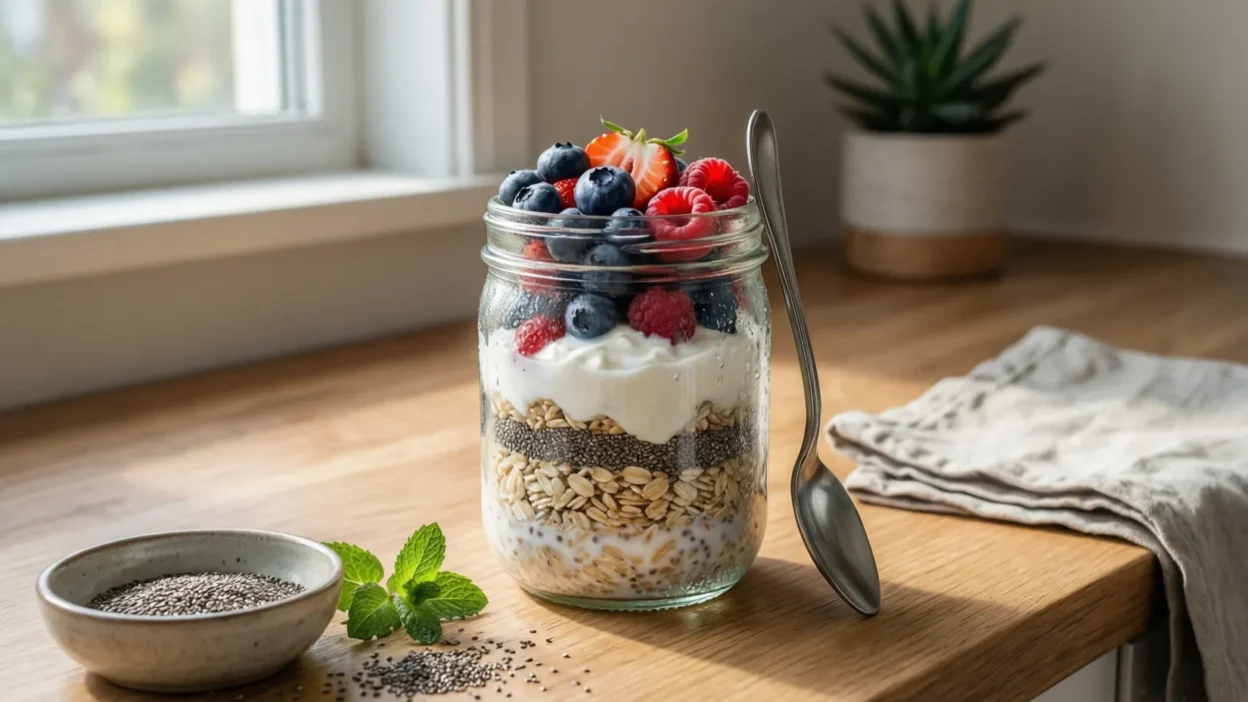
Overnight oats have become a staple in many weight-loss meal plans, praised for their convenience, nutrition, and versatility. Made by soaking oats in milk or yogurt overnight, this no-cook breakfast is often marketed as a healthy option for people trying to shed extra pounds. But are overnight oats really good for weight loss, or can they actually slow your progress if prepared incorrectly?
The answer isn’t as simple as yes or no. While oats are rich in fiber, complex carbohydrates, and essential nutrients that can support fat loss, the benefits of overnight oats largely depend on portion size, ingredients, and overall calorie intake. Adding too much sugar, high-calorie toppings, or oversized servings can quickly turn a healthy breakfast into a calorie bomb.
In this article, we’ll take a science-backed look at overnight oats and weight loss—covering their nutritional benefits, potential drawbacks, and how to prepare them the right way to support sustainable, long-term fat loss.
What Are Overnight Oats?
Overnight oats are a simple, no-cook version of oatmeal made by soaking oats in liquid for several hours—typically overnight—in the refrigerator. Instead of cooking oats with heat, the soaking process allows them to absorb liquid and soften naturally, resulting in a creamy, ready-to-eat texture by morning. Common liquids include milk, plant-based milk, or yogurt, and the recipe is often customized with fruits, seeds, or flavorings.
Rolled oats are the most commonly used type for overnight oats because they absorb liquid well while maintaining a satisfying texture. Steel-cut oats are less ideal due to their dense structure, while quick oats tend to become overly mushy. The soaking process also helps break down phytic acid, which may improve mineral absorption and make oats easier to digest for some people.
Compared to cooked oatmeal, overnight oats retain a similar nutritional profile but offer greater convenience, especially for busy mornings. Because they are usually prepared in advance and eaten cold, overnight oats are popular among people who meal prep or want a portable breakfast option. However, their health impact—especially for weight loss—depends heavily on how they’re prepared and portioned.
Nutritional Profile of Overnight Oats
Overnight oats are nutrient-dense and provide a balanced mix of macronutrients that can support weight loss when consumed in appropriate portions. Oats are primarily a source of complex carbohydrates, which digest slowly and provide steady energy rather than rapid blood sugar spikes. This makes them a more satisfying option compared to refined breakfast foods like pastries or sugary cereals.
One of the key nutritional benefits of overnight oats is their high fiber content, particularly soluble fiber known as beta-glucan. Fiber plays a crucial role in digestion, helps regulate appetite, and promotes feelings of fullness, which can reduce overall calorie intake throughout the day. A standard serving of oats typically provides around 4–5 grams of fiber before any additional ingredients are added.
Overnight oats also contain moderate amounts of plant-based protein, along with essential micronutrients such as magnesium, iron, phosphorus, and B vitamins. When prepared with protein-rich ingredients like Greek yogurt, milk, or chia seeds, the protein content increases significantly, making overnight oats more effective for appetite control and muscle maintenance during weight loss.
That said, overnight oats can be calorie-dense, especially when combined with high-fat or sweetened ingredients. Understanding their nutritional profile is essential for using them effectively in a weight-loss diet.
How Overnight Oats Can Support Weight Loss
Overnight oats can be an effective weight-loss food because they help control hunger, stabilize energy levels, and encourage healthier eating patterns. One of the primary reasons oats support weight loss is their high soluble fiber content. Fiber slows digestion and increases satiety, helping you feel full for longer periods and reducing the likelihood of overeating or frequent snacking.
Another benefit of overnight oats is their impact on blood sugar regulation. As a complex carbohydrate, oats digest more slowly than refined grains, leading to a gradual rise in blood glucose levels. This steady response can help prevent energy crashes and cravings that often lead to poor food choices later in the day. For individuals trying to maintain a calorie deficit, this blood sugar stability is especially valuable.
Protein also plays an important role in weight loss, and overnight oats can be easily modified to increase protein intake. Adding ingredients like Greek yogurt, protein powder, or seeds enhances satiety and supports muscle maintenance while losing fat. Preserving muscle mass is crucial, as it helps keep metabolism efficient during weight loss.
Additionally, the convenience of overnight oats encourages consistency. Having a healthy, pre-prepared breakfast readily available reduces reliance on high-calorie convenience foods, making it easier to stick to long-term weight-loss goals.
Best Ingredients for Weight Loss Overnight Oats
The effectiveness of overnight oats for weight loss largely depends on the ingredients you choose. Starting with the right base is essential. Rolled oats are the best option because they provide fiber and complex carbohydrates while maintaining a satisfying texture. Pairing oats with unsweetened milk—such as almond milk, skim milk, or low-fat dairy milk—helps keep calories in check.
Protein-rich ingredients are especially important for weight loss. Adding Greek yogurt, skyr, cottage cheese, or a scoop of protein powder increases satiety and helps prevent muscle loss during a calorie deficit. Chia seeds and flaxseeds are also excellent additions, offering fiber, healthy fats, and a small protein boost without excessive calories when used in moderation.
For flavor and micronutrients, fruits can be included strategically. Berries such as blueberries, strawberries, and raspberries are ideal because they are low in calories and high in antioxidants and fiber. Spices like cinnamon, nutmeg, or vanilla extract add sweetness without added sugar.
Keeping ingredient choices simple and intentional allows overnight oats to remain filling, nutritious, and calorie-controlled—making them a practical and effective option for supporting weight loss.
Ingredients That Can Sabotage Weight Loss
While overnight oats can be a healthy choice, certain ingredients can easily turn them into a high-calorie meal that works against weight-loss goals. One of the most common issues is added sugar. Sweeteners such as honey, maple syrup, agave, or brown sugar may seem natural, but they significantly increase calorie content without adding much satiety. Even small amounts can push overnight oats out of a calorie range suitable for weight loss.
Sweetened yogurts and flavored milks are another hidden source of sugar and calories. Many fruit-flavored yogurts contain more added sugar than protein, reducing their effectiveness for appetite control. Similarly, plant-based milks that are not unsweetened can contribute unnecessary carbohydrates and calories.
High-fat toppings can also derail progress when used excessively. Nut butters, coconut flakes, chocolate chips, and granola are calorie-dense and easy to overuse. While these foods contain healthy fats, portion size is critical. Just one extra tablespoon can add hundreds of calories to an otherwise balanced meal.
Finally, oversized portions are a major problem. Even healthy ingredients can lead to weight gain if total calorie intake exceeds daily needs. Mindful ingredient selection and portion control are key to keeping overnight oats aligned with weight-loss goals.
Portion Size and Calorie Control
Portion size plays a critical role in determining whether overnight oats support weight loss or contribute to weight gain. Although oats are nutritious, they are also calorie-dense, which means even small increases in portion size can significantly impact total calorie intake. A common mistake is assuming that because oats are healthy, they can be eaten in unlimited amounts.
For weight loss, a typical serving of dry rolled oats should range between ¼ to ½ cup, depending on individual calorie needs and activity level. This portion generally provides enough fiber and carbohydrates to promote fullness without excessive calories. Measuring dry oats before soaking is especially important, as their volume increases after absorbing liquid, making it easy to underestimate serving size.
Calorie control also depends on the balance of ingredients. Adding lean protein sources and fiber-rich ingredients helps increase satiety without drastically raising calorie content. On the other hand, combining oats with multiple high-fat toppings or sweeteners can quickly double or triple the calorie count.
Being mindful of portion size allows overnight oats to fit comfortably into a calorie deficit. When properly measured and balanced, they can be a filling, satisfying meal that supports consistent, sustainable weight loss rather than undermining it.
Overnight Oats vs Other Breakfast Options for Weight Loss
When evaluating overnight oats for weight loss, it helps to compare them with other common breakfast choices. One popular alternative is eggs, which are high in protein and low in carbohydrates. Eggs tend to be very filling and may promote slightly greater short-term satiety, but they lack the fiber found in oats, which plays an important role in digestion and appetite regulation.
Smoothies are another common breakfast option, especially for people on the go. While smoothies can be nutritious, they are often easier to overconsume because liquids digest faster than solid foods. Overnight oats, on the other hand, require chewing and contain intact fiber, which slows digestion and enhances fullness.
Skipping breakfast is also a strategy some people use for weight loss. While intermittent fasting can work for certain individuals, others find that skipping breakfast leads to intense hunger and overeating later in the day. Overnight oats can provide a balanced, controlled meal that helps manage hunger and energy levels throughout the morning.
Compared to sugary cereals, pastries, or breakfast bars, overnight oats are clearly more nutrient-dense and filling. When prepared correctly, they offer a practical middle ground between high-protein and high-fiber breakfasts, making them a strong option for sustainable weight loss.
Frequently Asked Questions About Overnight Oats and Weight Loss
Can overnight oats make you gain weight?
Overnight oats themselves do not cause weight gain, but overeating them can. Weight gain occurs when total calorie intake exceeds your daily needs. Using large portions, added sugars, or high-fat toppings can quickly increase calories and lead to weight gain.
Are overnight oats good for belly fat?
No single food specifically targets belly fat. However, overnight oats can support overall fat loss by improving fullness, controlling appetite, and stabilizing blood sugar, which may help reduce fat accumulation over time when combined with a calorie deficit.
How often should I eat overnight oats for weight loss?
You can eat overnight oats daily if they fit within your calorie and nutrient needs. Variety is still important, so rotating them with other balanced meals can help prevent nutrient gaps and boredom.
Are overnight oats better than cooked oats for weight loss?
Nutritionally, overnight oats and cooked oats are very similar. Weight-loss results depend more on portion size and ingredients than on whether the oats are soaked or cooked.
Can I eat overnight oats at night?
Yes, overnight oats can be eaten at night if they fit your calorie goals. However, some people prefer eating them earlier in the day to better manage hunger and digestion.
Conclusion: Are Overnight Oats Good for Weight Loss?
Overnight oats can be a valuable addition to a weight-loss diet when they are prepared with the right ingredients and eaten in appropriate portions. Their high fiber content helps promote fullness, reduce cravings, and support steady blood sugar levels, all of which are important for maintaining a calorie deficit. When combined with adequate protein from ingredients like Greek yogurt, milk, or seeds, overnight oats become even more effective at controlling appetite and preserving lean muscle during weight loss.
However, overnight oats are not a magic weight-loss food. Adding excess sugar, calorie-dense toppings, or oversized portions can quickly turn them into a high-calorie meal that works against fat-loss goals. Like any food, their effectiveness depends on overall dietary balance and consistency rather than a single meal choice.
For individuals seeking a convenient, satisfying, and customizable breakfast, overnight oats offer a practical solution that supports long-term weight loss. By focusing on whole, minimally processed ingredients and mindful portion sizes, overnight oats can fit seamlessly into a healthy lifestyle and contribute to sustainable, lasting results.

William is a passionate wordsmith who loves capturing the essence of life, love, and inspiration through quotes. With a keen eye for meaningful expressions, he curates and crafts words that resonate with readers across the globe. At Quoteblom.com, William’s goal is to bring wisdom, motivation, and a touch of positivity to every visitor, one quote at a time.