
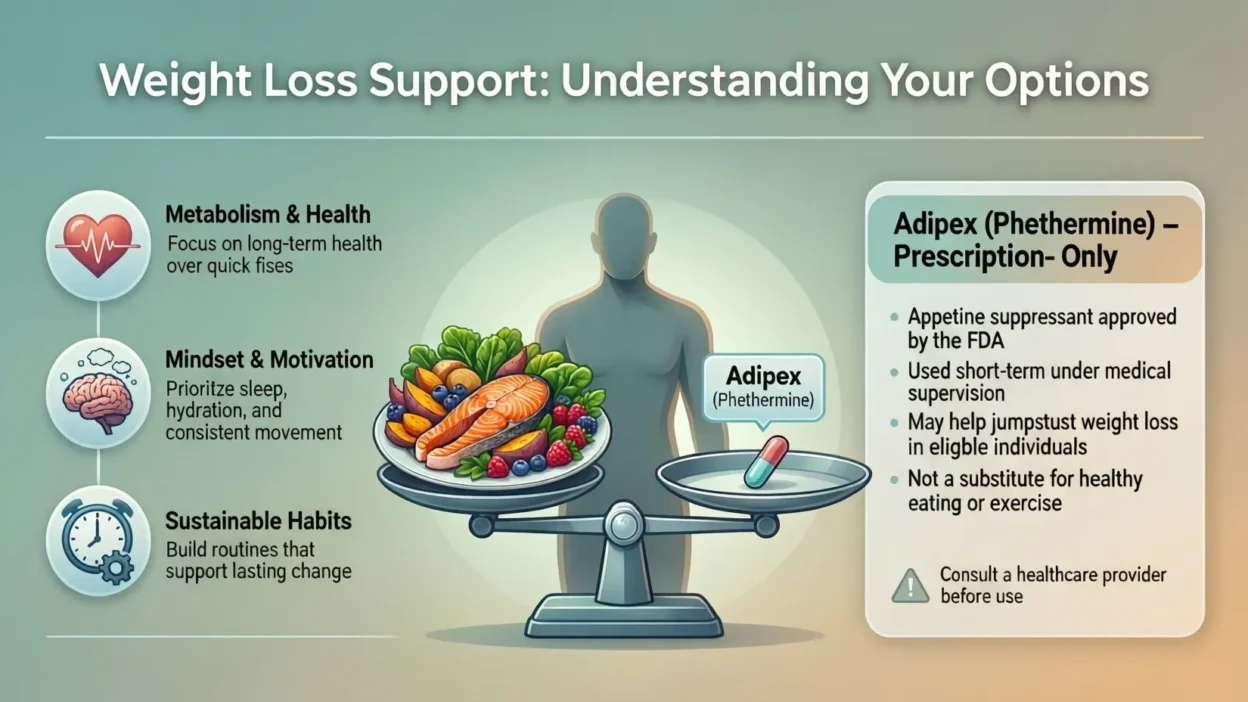
In today’s world, weight loss has become a top priority for many, given the growing concerns around obesity and its related health issues. According to the World Health Organization, nearly 40% of adults worldwide are classified as overweight or obese, making effective weight management a significant health challenge. Among the various weight loss aids available, Adipex (also known as phentermine) stands out as a popular prescription medication.
Adipex is often prescribed to help individuals reduce weight by suppressing their appetite, making it easier to stick to a calorie-controlled diet. While it’s typically used for short-term weight loss, its effectiveness when combined with a healthy lifestyle has made it a go-to option for many.
However, as with any medication, it’s essential to understand how Adipex works, who it’s suitable for, and the potential risks involved. This article will provide an in-depth look at Adipex, offering insights into its mechanism, benefits, side effects, and considerations before use.
What Is Adipex?
Adipex, the brand name for phentermine, is a prescription medication used to aid in weight loss. It is a sympathomimetic drug, meaning it stimulates the central nervous system to suppress appetite and increase energy. Often prescribed to individuals who are obese or significantly overweight, Adipex works by affecting the brain’s neurotransmitters, specifically norepinephrine, which helps to reduce hunger signals and curb cravings.
Primarily, Adipex is used for short-term weight loss (usually up to 12 weeks) in combination with a healthy diet and exercise regimen. It’s typically prescribed when other weight loss methods, such as diet changes and physical activity alone, have not been effective. Its main benefit is that it helps individuals make significant changes to their eating habits by reducing their overall appetite, making it easier to stick to a weight loss plan.
While it’s highly effective in the short term, Adipex is not a magic solution. It should be part of a broader strategy that includes adopting healthier lifestyle habits. The medication works best when patients are also committed to eating a balanced diet and engaging in regular physical activity. Additionally, Adipex should be taken under the supervision of a healthcare provider to monitor its effectiveness and side effects.
How Does Adipex Work?
Adipex, or phentermine, functions as an appetite suppressant by influencing the brain’s neurotransmitters, particularly norepinephrine. Norepinephrine is a chemical messenger involved in the body’s “fight or flight” response, which helps signal the brain to reduce hunger. When you take Adipex, it stimulates the release of norepinephrine and other chemicals, such as dopamine and serotonin, that promote feelings of fullness and satisfaction. As a result, your body experiences a decrease in hunger, making it easier to follow a calorie-restricted diet.
Beyond appetite suppression, Adipex can also have an energizing effect. Many users report increased alertness and a boost in overall energy levels, which can help them stay more active and engaged in physical activities. Increased physical activity, combined with a reduced appetite, can lead to more efficient and sustainable weight loss over time.
Adipex is typically taken in the form of a tablet, usually once daily, in the morning to avoid potential disruptions to sleep. It’s important to take the medication as prescribed, usually in the morning to ensure its effects are felt during the day when cravings tend to be more challenging. This helps individuals adhere to their weight loss plan without feeling overly hungry or fatigued.
However, it’s crucial to note that Adipex is not a long-term solution. Its effectiveness diminishes when used over extended periods, and it should only be used under medical supervision.
Who Should Consider Adipex for Weight Loss?
Adipex is primarily prescribed to individuals who are struggling with obesity or those who are overweight with accompanying health conditions, such as type 2 diabetes, hypertension, or sleep apnea. For someone to be eligible for Adipex, they typically need to meet specific criteria, such as having a Body Mass Index (BMI) of 30 or higher, or a BMI of 27 or higher if they have at least one weight-related health issue.
It is important to note that Adipex is not suitable for everyone. It is not recommended for individuals with a history of heart disease, high blood pressure, glaucoma, hyperthyroidism, or a history of substance abuse. Pregnant or breastfeeding women should also avoid using Adipex, as the medication can have adverse effects on fetal development or be passed through breast milk.
Before prescribing Adipex, doctors conduct a thorough medical evaluation to assess whether the medication is appropriate for the individual’s specific needs. This includes considering existing medical conditions, medications currently being taken, and overall health.
For those who are deemed suitable candidates, Adipex can be an effective short-term weight loss tool. However, it’s essential that its use is combined with lifestyle changes such as a healthy, calorie-controlled diet and regular physical activity. Adipex should only be used under close medical supervision to minimize risks and maximize its benefits.
Effectiveness of Adipex for Weight Loss
Adipex is proven to be effective for short-term weight loss, but the results can vary from person to person. On average, individuals who take Adipex may experience a weight loss of 5-10% of their initial body weight during a 12-week course of treatment, though some may lose more or less depending on factors like adherence to diet and exercise plans.
The key to its effectiveness lies in its ability to suppress appetite and boost energy levels, making it easier for users to stick to a calorie-restricted diet and stay active. By reducing hunger and cravings, Adipex helps users make healthier food choices, which is critical for losing weight. Additionally, the medication’s energizing effects may encourage increased physical activity, which further supports weight loss.
However, Adipex should not be viewed as a long-term solution. It is meant to serve as a temporary aid to jumpstart weight loss, especially for individuals who have struggled to lose weight through diet and exercise alone. After the 12-week period, the medication is typically discontinued, and individuals are encouraged to maintain their weight loss with sustainable lifestyle changes.
For Adipex to work effectively, it should be used alongside a balanced diet, regular physical activity, and behavioral modifications. Without these complementary lifestyle changes, the weight loss achieved with Adipex may not be sustainable in the long run.
Side Effects and Risks of Adipex
While Adipex can be highly effective for short-term weight loss, it also comes with potential side effects and risks that should not be overlooked. Understanding these side effects is crucial for anyone considering this medication.
Common side effects of Adipex include:
- Dry mouth
- Insomnia
- Increased heart rate
- Nervousness or anxiety
- Constipation
- Dizziness or lightheadedness
These side effects can range from mild to moderate in severity. For many people, they may subside after a few days as their body adjusts to the medication. However, for some users, the side effects may persist or worsen, requiring discontinuation of the drug.
Serious side effects are less common but can include:
- High blood pressure (hypertension)
- Chest pain or palpitations
- Shortness of breath
- Mental health issues, such as depression or mood swings
- Risk of addiction or dependence, due to the stimulant properties of phentermine
Because Adipex is classified as a Schedule IV controlled substance, there is a risk of abuse or addiction, especially in individuals with a history of substance abuse. Therefore, it should be taken under strict medical supervision.
If any severe side effects occur, it is important to seek medical attention immediately. Regular check-ups with a healthcare provider are essential to monitor for any potential adverse effects, ensuring the medication remains safe and effective throughout the treatment period.
How to Use Adipex Safely
To maximize the benefits of Adipex and minimize the risks, it’s essential to follow the prescribed guidelines carefully. Adipex should only be used under the supervision of a healthcare provider and as part of a comprehensive weight loss plan that includes a healthy diet, regular exercise, and behavioral modifications. Here are some important tips on how to use Adipex safely:
- Dosage and Timing:
The standard dosage for Adipex is 37.5 mg per day, taken once in the morning, typically 30 minutes before breakfast. It’s important to take Adipex in the morning to avoid potential sleep disturbances since it can cause insomnia in some users. Never take it in the evening or late afternoon. - Adhere to the Short-Term Use:
Adipex is designed for short-term use, usually not exceeding 12 weeks. Prolonged use can lead to decreased effectiveness, and the body may develop tolerance to its appetite-suppressing effects. Always follow your healthcare provider’s instructions regarding how long to use the medication. - Monitor Your Health:
Regular check-ups are crucial while taking Adipex. Your doctor may monitor your blood pressure, heart rate, and overall health to ensure the medication is not causing any harmful side effects. If you experience any concerning symptoms, such as chest pain or extreme fatigue, contact your doctor immediately. - Diet and Exercise:
For Adipex to work effectively, it must be paired with a calorie-controlled diet and physical activity. Relying solely on the medication without lifestyle changes will not yield sustainable weight loss. Make sure to eat nutritious, well-balanced meals and engage in regular exercise to maintain weight loss after finishing the medication.
Potential Alternatives to Adipex
While Adipex can be an effective tool for short-term weight loss, it is not the only option available. There are several alternatives to consider, both in terms of prescription medications and natural approaches. Here’s an overview of some of the most popular options:
- Other Prescription Medications:
- Orlistat (Alli, Xenical): Unlike Adipex, Orlistat works by blocking the absorption of fat in the intestines. It helps prevent the body from absorbing about 25% of the fat consumed during meals. While it can aid in weight loss, users may experience gastrointestinal side effects like diarrhea or bloating.
- Liraglutide (Saxenda): This is an injectable medication that mimics a hormone that controls hunger and regulates blood sugar levels. It is FDA-approved for chronic weight management and has shown success in helping people lose weight when combined with a reduced-calorie diet and physical activity.
- Bupropion-Naltrexone (Contrave): This combination medication affects the brain’s reward system to reduce hunger and curb cravings. It’s designed to be used along with a healthy diet and exercise plan to help individuals lose weight over time.
- Orlistat (Alli, Xenical): Unlike Adipex, Orlistat works by blocking the absorption of fat in the intestines. It helps prevent the body from absorbing about 25% of the fat consumed during meals. While it can aid in weight loss, users may experience gastrointestinal side effects like diarrhea or bloating.
- Over-the-Counter Supplements:
- There are numerous weight loss supplements available without a prescription, such as Garcinia Cambogia, Green Tea Extract, and CLA. However, these alternatives should be approached with caution, as their effectiveness is often unproven, and they can carry risks of side effects.
- There are numerous weight loss supplements available without a prescription, such as Garcinia Cambogia, Green Tea Extract, and CLA. However, these alternatives should be approached with caution, as their effectiveness is often unproven, and they can carry risks of side effects.
- Non-Medical Approaches:
- Behavioral therapy, mindful eating, and cognitive-behavioral therapy (CBT) are valuable tools for individuals looking to manage their weight without medication. These approaches focus on changing unhealthy eating habits and emotional eating patterns for long-term success.
- Behavioral therapy, mindful eating, and cognitive-behavioral therapy (CBT) are valuable tools for individuals looking to manage their weight without medication. These approaches focus on changing unhealthy eating habits and emotional eating patterns for long-term success.
When to Seek Professional Advice
Before considering any weight loss medication, including Adipex, it’s crucial to consult a healthcare provider. Weight loss medications are not a one-size-fits-all solution, and only a doctor can determine if Adipex is the right option based on an individual’s medical history, current health status, and weight loss goals. Here are key situations in which seeking professional advice is essential:
- Underlying Health Conditions:
If you have any existing health conditions, such as heart disease, high blood pressure, diabetes, or mental health disorders, it is important to discuss these with your doctor. Medications like Adipex can interact with certain conditions and may require adjustments or additional monitoring to ensure safety. - Effectiveness and Side Effects:
If you’ve been prescribed Adipex and are not seeing the desired weight loss results, or if you experience concerning side effects like chest pain, dizziness, or severe mood changes, it’s important to talk to your healthcare provider. They may adjust your dosage, recommend a different medication, or suggest alternative weight loss strategies that may be more suitable for you. - Long-Term Weight Management:
Once the short-term use of Adipex is complete, your doctor can help you develop a long-term weight management plan. This may include dietary changes, exercise programs, and behavioral strategies to ensure that weight loss is maintained over time without relying on medication. - Mental Health Concerns:
If you experience anxiety, depression, or other mental health symptoms while taking Adipex, it’s essential to seek professional guidance. Stimulant medications like Adipex can sometimes affect mood or trigger psychological side effects, so professional monitoring is crucial.
Ultimately, using Adipex safely and effectively requires a partnership between the patient and their healthcare provider, ensuring the weight loss journey is both successful and sustainable.
Frequently Asked Questions
- How much weight can I lose with Adipex?
The amount of weight loss varies between individuals. On average, people can expect to lose 5-10% of their initial body weight when using Adipex as part of a comprehensive weight loss plan that includes diet and exercise. However, results can vary depending on individual factors such as metabolism, lifestyle, and adherence to the program. - Is Adipex safe for long-term use?
No, Adipex is only approved for short-term use (usually up to 12 weeks). Using Adipex for extended periods can lead to decreased effectiveness and may increase the risk of side effects. After the prescribed period, the medication should be discontinued, and weight maintenance should focus on sustainable lifestyle changes. - Can I take Adipex if I have high blood pressure?
Adipex is not recommended for individuals with high blood pressure, especially if it is uncontrolled. The medication can cause an increase in heart rate and blood pressure, which may worsen the condition. It is essential to discuss any existing health conditions with your doctor before starting Adipex. - Are there any natural alternatives to Adipex?
Yes, there are several natural alternatives, including appetite-suppressing foods like fiber-rich vegetables, green tea extract, and garcinia cambogia. However, the effectiveness of these natural supplements varies, and they should be used cautiously. Always consult with a healthcare provider before using any weight loss supplement. - Can I drink alcohol while taking Adipex?
It’s advised to limit or avoid alcohol while using Adipex, as alcohol can amplify side effects like dizziness and may increase the risk of heart problems. Additionally, alcohol can interfere with your ability to stick to a healthy diet, which is crucial for weight loss. - What should I do if I miss a dose?
If you miss a dose of Adipex, take it as soon as you remember in the morning. However, if it is already late in the day, skip the missed dose and take the next dose at the usual time. Do not take two doses at once to make up for a missed dose. - Can Adipex be used without diet and exercise?
While Adipex can help reduce appetite and increase energy, it is most effective when combined with a healthy diet and regular physical activity. Weight loss is a long-term process that requires lifestyle changes, and Adipex is designed to support, not replace, these changes.
Conclusion
Adipex can be a highly effective tool for individuals looking to jumpstart their weight loss journey, especially for those who have struggled to lose weight through diet and exercise alone. By suppressing appetite and increasing energy levels, Adipex helps users stick to a calorie-controlled diet and engage in more physical activity, leading to noticeable weight loss results. However, it is important to remember that Adipex is not a magic solution and should be used as part of a broader, long-term weight management plan.
While the medication is effective in the short-term, its use must be carefully managed under the supervision of a healthcare provider. Potential side effects and risks, such as increased heart rate, anxiety, or the possibility of addiction, make it essential for users to be monitored regularly. Additionally, the effectiveness of Adipex depends heavily on adopting healthier lifestyle habits, including a balanced diet and regular exercise.
For those considering Adipex, consulting a doctor is crucial to determine if it is the right option based on individual health conditions. It’s also important to remember that once the short-term course of Adipex is completed, maintaining weight loss requires continued commitment to a healthy lifestyle.
Ultimately, Adipex can be a useful aid in the weight loss process, but it is most effective when used as part of a comprehensive approach that focuses on lasting changes for long-term success.

Joseph is a passionate writer and quote curator at QuoteBlom.com, dedicated to bringing inspiration, wisdom, and a touch of motivation to every reader. With a keen eye for meaningful words and life-changing insights, Joseph carefully selects and shares quotes that uplift, empower, and spark thoughtful reflection. Whether you’re looking for a daily dose of positivity, love, or life advice, Joseph’s writings are designed to resonate with readers from all walks of life, making each visit to QuoteBlom.com a journey of inspiration.