
Losing weight after 60 can feel like an uphill battle. Your metabolism slows down, muscle mass naturally declines, and hormonal shifts can make shedding pounds feel nearly impossible.
Add in busy schedules, chronic conditions, or simply years of ingrained habits, and it’s no wonder many older adults struggle with maintaining a healthy weight. But here’s the good news: age doesn’t have to hold you back.
With the right approach, it’s entirely possible to lose weight, boost energy, and feel healthier than ever. In this guide, we’re uncovering five best-kept secrets to losing weight after 60—strategies that go beyond fad diets and gimmicks.
These tips are backed by science, easy to implement, and designed specifically for older adults. Whether you’re just starting your weight-loss journey or looking to break through a plateau, these secrets will help you achieve sustainable results and reclaim your vitality.
Secret 1: Prioritize Protein at Every Meal
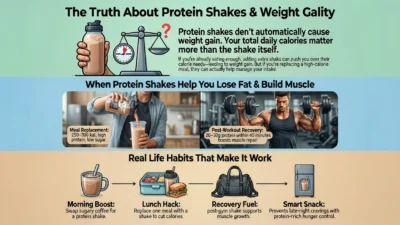
One of the most overlooked secrets to losing weight after 60 is protein. As we age, our bodies naturally lose muscle mass—a process called sarcopenia—which can slow metabolism and make weight loss more challenging. Eating enough protein helps preserve lean muscle, boost metabolism, and keep you feeling full longer, reducing the temptation to snack on unhealthy foods.
The key is to include a high-quality protein source in every meal. For breakfast, try Greek yogurt, eggs, or a protein smoothie. Lunch can include lean meats like chicken or turkey, fish, or plant-based options such as lentils or chickpeas. For dinner, consider grilled fish, tofu stir-fries, or a quinoa and vegetable bowl. Even snacks can be protein-rich—think nuts, cheese, or roasted chickpeas.
It’s not just about eating more protein—it’s about timing and balance. Spreading protein intake evenly throughout the day ensures your muscles get a steady supply of amino acids, helping maintain strength and support fat loss. By making protein a priority, you’ll feel more energized, curb cravings, and set a solid foundation for the rest of your weight-loss journey.
Secret 2: Strength Training Is Non-Negotiable
When it comes to losing weight after 60, cardio alone isn’t enough. Strength training—or resistance exercises—is crucial for preserving muscle mass, boosting metabolism, and supporting bone health. As we age, muscle naturally declines, and without regular resistance training, your body burns fewer calories even at rest. That’s why adding strength exercises to your routine is a game-changer.
You don’t need a gym membership or heavy equipment to get started. Bodyweight exercises like squats, wall push-ups, lunges, or chair dips are highly effective. Resistance bands are another excellent option, offering variable tension for a full-body workout. Aim for 2–3 sessions per week, starting with 15–20 minutes and gradually increasing intensity.
Safety is key. Focus on proper form, avoid overexertion, and if you have any medical conditions, consult your doctor before beginning. Pairing strength training with light cardio—like walking, swimming, or cycling—creates a powerful combination that burns fat while building lean muscle. By prioritizing strength training, you’ll not only lose weight more effectively but also improve mobility, balance, and overall quality of life.
Secret 3: Mindful Eating, Portion Control & Meal Timing
After 60, your calorie needs decrease, but your body still craves nutrient-dense foods. One of the most effective ways to lose weight sustainably is practicing mindful eating, controlling portions, and paying attention to meal timing. Eating slowly and without distractions allows your body to recognize fullness cues, preventing overeating.
Start by using smaller plates or bowls, which naturally helps reduce portions without feeling deprived. Fill half your plate with vegetables, one-quarter with lean protein, and the remaining quarter with whole grains. Snacking can be helpful if done wisely—choose nuts, fruits, or yogurt instead of processed, high-calorie options.
Meal timing also plays a role. Consistent meal schedules help stabilize blood sugar and control hunger. Consider having balanced meals every 3–4 hours, and avoid late-night heavy meals that can interfere with digestion and sleep.
Another tip is to plan meals in advance. Preparing protein-rich, fiber-packed meals ahead of time reduces the temptation to grab quick, unhealthy snacks. By combining portion control, mindful eating, and proper timing, you’ll naturally consume fewer calories while still feeling satisfied, making weight loss after 60 both achievable and sustainable.
Secret 4: Sleep and Stress Management
Sleep and stress play a bigger role in weight loss than many people realize—especially after 60. Poor sleep can disrupt hormones that regulate appetite, increasing ghrelin (hunger hormone) and decreasing leptin (fullness hormone), which can make you overeat. Similarly, chronic stress triggers the release of cortisol, a hormone that encourages your body to store fat, particularly around the belly.
Prioritizing sleep is essential. Aim for 7–8 hours per night, maintain a consistent bedtime, and create a relaxing bedtime routine. Simple habits like limiting screens before bed, keeping your bedroom dark and cool, and avoiding heavy meals late at night can dramatically improve sleep quality.
Stress management is equally important. Incorporate techniques such as meditation, deep breathing exercises, yoga, or even leisurely walks outdoors. Engaging in hobbies you enjoy or spending time with loved ones can also lower stress levels and prevent emotional eating.
By addressing both sleep and stress, you’re giving your body a natural advantage in weight management. Better-rested and less-stressed individuals tend to crave healthier foods, have more energy for exercise, and experience a smoother, more sustainable weight-loss journey.
Secret 5: Hydration and Smart Calorie Choices
Staying hydrated and making smart calorie choices are two simple but often overlooked secrets to losing weight after 60. As we age, our sense of thirst can diminish, leading to unintentional dehydration. Drinking enough water not only keeps your body functioning optimally but also helps control hunger, as thirst is often mistaken for hunger. Aim for at least 6–8 glasses of water a day, and consider drinking a glass before meals to naturally reduce calorie intake.
Smart calorie choices focus on nutrient-dense foods that fuel your body without adding empty calories. Limit sugary drinks, processed snacks, and alcohol, which can sabotage weight loss efforts. Instead, prioritize whole foods: fresh fruits, vegetables, lean proteins, whole grains, and healthy fats like nuts, seeds, and olive oil.
Even small swaps make a difference. For example, replace soda with sparkling water, chips with air-popped popcorn, or a sugary dessert with fresh fruit. These changes reduce unnecessary calories while providing vitamins, minerals, and fiber.
By combining proper hydration with mindful calorie choices, you’ll feel fuller, energized, and more in control of your weight, setting yourself up for long-term success beyond your 60s.
Bonus Tips: Your 4-Week Action Plan for Success
Now that you know the five best-kept secrets for losing weight after 60, the key is consistency. Implementing these strategies gradually makes them easier to maintain and more effective over time. Here’s a simple 4-week roadmap to get started:
Week 1 – Focus on Protein: Begin adding a protein source to every meal. Experiment with eggs, Greek yogurt, legumes, or lean meats. Notice how this affects your energy and appetite.
Week 2 – Start Strength Training: Introduce 2–3 short resistance workouts per week. Use bodyweight exercises, light weights, or resistance bands. Pair with 10–15 minutes of light cardio, like walking.
Week 3 – Mindful Eating and Hydration: Practice mindful eating, control portions, and maintain a consistent meal schedule. Drink a glass of water before each meal and swap sugary drinks for water or herbal tea.
Week 4 – Prioritize Sleep and Stress Management: Focus on improving sleep routines and incorporate stress-relief practices like meditation, deep breathing, or gentle yoga.
Remember, small, consistent changes are more effective than drastic measures. Track your progress, celebrate victories, and adjust as needed. Following this plan helps you not just lose weight but boost energy, improve health, and feel your best at 60 and beyond.
Frequently Asked Questions
1. Is it really possible to lose weight after 60?
Yes! While metabolism slows with age, combining protein-rich meals, strength training, mindful eating, and proper sleep and hydration can lead to sustainable weight loss. Consistency is key.
2. How much protein should I eat daily?
Aim for about 1–1.2 grams of protein per kilogram of body weight, spread across meals. Lean meats, fish, eggs, dairy, legumes, and plant-based proteins are excellent options.
3. Can I do strength training at home?
Absolutely! Bodyweight exercises, resistance bands, or light dumbbells are effective for building muscle and boosting metabolism. Focus on proper form and gradually increase intensity.
4. What if I have joint pain or chronic conditions?
Modify exercises to reduce strain, such as chair squats, water aerobics, or low-impact yoga. Always consult your doctor before starting a new routine.
5. How important is sleep and stress management?
Very. Poor sleep and high stress increase hunger hormones and fat storage. Prioritizing rest and stress relief improves appetite control, energy, and weight-loss results.
6. Do I need to follow a strict diet?
No strict diets are needed. Focus on whole, nutrient-dense foods, smart calorie choices, and consistent habits for long-term success.
Conclusion
Losing weight after 60 may feel challenging, but it is entirely achievable with the right strategies. By prioritizing protein, incorporating strength training, practicing mindful eating, managing sleep and stress, and making smart hydration and calorie choices, you can support your body’s metabolism, preserve muscle, and lose weight safely and sustainably. These five secrets aren’t quick fixes or fad diets—they are lifestyle habits designed to improve your overall health and energy while helping you achieve your weight-loss goals.
The key is consistency and gradual change. Start by implementing one secret at a time and build up slowly, celebrating small victories along the way. Remember, even small adjustments—like drinking a glass of water before meals, swapping a sugary snack for a handful of nuts, or adding a few minutes of strength training—can have a significant impact over time.
Weight loss after 60 isn’t just about the number on the scale; it’s about feeling stronger, healthier, and more confident in your body. Embrace these strategies, stay patient, and focus on long-term results. Your journey to better health and vitality starts today, and every positive step counts toward a more energized and fulfilling life.

Joseph is a passionate writer and quote curator at QuoteBlom.com, dedicated to bringing inspiration, wisdom, and a touch of motivation to every reader. With a keen eye for meaningful words and life-changing insights, Joseph carefully selects and shares quotes that uplift, empower, and spark thoughtful reflection. Whether you’re looking for a daily dose of positivity, love, or life advice, Joseph’s writings are designed to resonate with readers from all walks of life, making each visit to QuoteBlom.com a journey of inspiration.