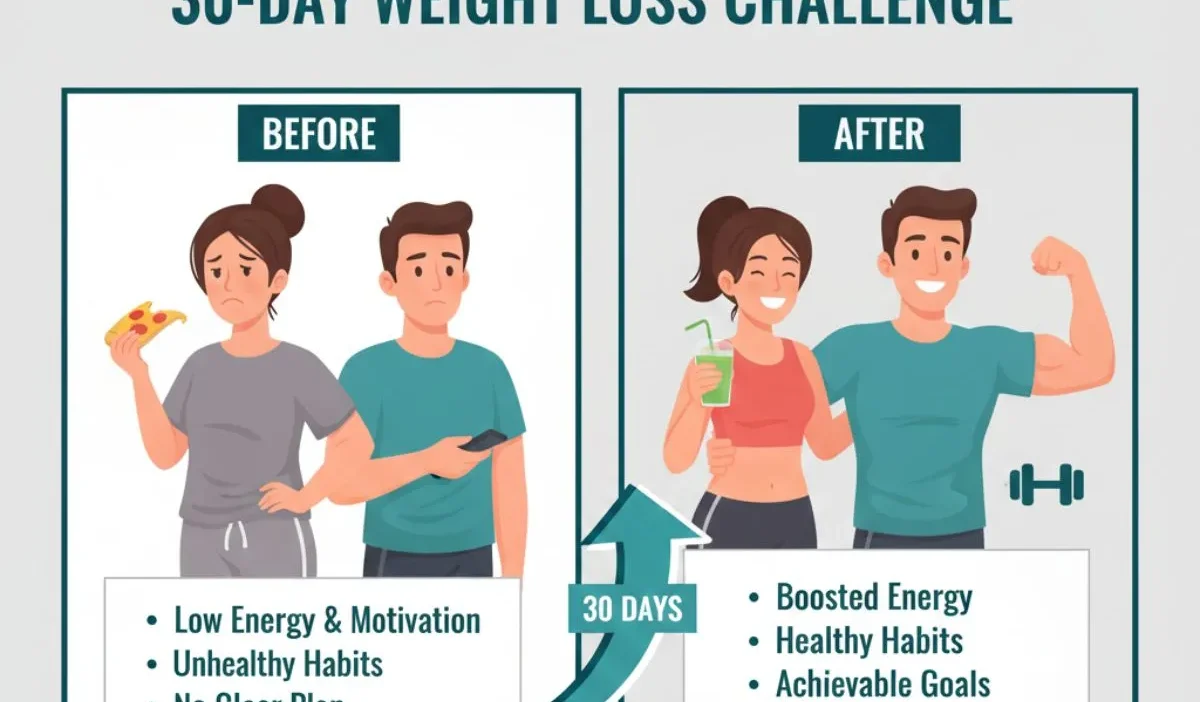
The 30-day weight loss challenge is a powerful way to kickstart your fitness journey, offering a structured, time-bound approach to achieve real results. Whether you’re aiming to shed a few pounds, boost your energy levels, or develop healthier habits, this challenge provides the framework to help you stay on track. By focusing on small, achievable goals over a month, you can create lasting changes in both your body and mindset.
Unlike fad diets or extreme workout plans, the 30-day challenge encourages sustainability, building habits that support long-term success. In this article, we’ll guide you through the essential steps to make your 30-day weight loss challenge successful—ranging from setting realistic goals to creating a balanced meal and workout plan. Get ready to commit to this transformative journey and take control of your health, one day at a time.
Setting Clear and Realistic Goals for Your 30-Day Weight Loss Challenge
Before diving into your 30-day weight loss challenge, it’s crucial to set clear and realistic goals that will guide your journey. The key to success is not just about shedding pounds but also about establishing habits that promote long-term health.
First, define your weight loss target. A safe and sustainable weight loss rate is around 1-2 pounds per week, so losing 4-8 pounds in 30 days is a realistic expectation for most people. However, weight loss isn’t solely about numbers on the scale. Focus on non-scale victories such as improved energy, better sleep, and increased physical strength.
To set yourself up for success, break down your main goal into smaller, actionable steps. For example, aim to drink more water each day, increase your daily step count, or reduce processed foods. These smaller goals make your challenge feel less overwhelming and give you a sense of accomplishment as you achieve them.
Remember, the goal of the 30-day challenge is not just to lose weight but to create positive changes that you can continue after the challenge ends. Stay focused, stay patient, and celebrate every milestone, no matter how small.
Designing Your 30-Day Weight Loss Plan: Nutrition and Exercise
Now that you’ve set clear goals, it’s time to design a plan that incorporates nutrition and exercise, the two pillars of a successful weight loss journey. A balanced approach to both will ensure you’re fueling your body properly while also creating the necessary calorie deficit for weight loss.
Nutrition: Eating to Lose Weight
Focus on a nutrient-dense, whole-foods approach to your meals. Prioritize lean proteins, healthy fats, and complex carbohydrates to keep your energy levels stable throughout the day. Meals should include vegetables, whole grains, legumes, and fruits. Avoid processed foods and refined sugars that provide empty calories and can lead to energy crashes. Aiming for a calorie deficit—consuming fewer calories than you burn—is key to losing weight. Use a calorie tracking app to ensure you’re staying on track without drastically restricting food.
Exercise: Creating an Effective Workout Plan
Your workout routine should combine both cardio and strength training. Cardio exercises like walking, jogging, cycling, or swimming help burn calories, while strength training (bodyweight exercises, resistance bands, or weight lifting) builds muscle, which in turn boosts your metabolism. Aim for 3-4 workouts a week, with a mix of both types. Include stretching or yoga to improve flexibility and prevent injury.
This balance of nutrition and exercise will set the foundation for your 30-day weight loss challenge.
Tracking Your Progress: Stay Focused and Motivated
One of the most important aspects of any weight loss challenge is tracking your progress. Monitoring your efforts not only helps you stay on track but also allows you to see how far you’ve come. Remember, progress isn’t always reflected in the number on the scale. By tracking different aspects of your journey, you can celebrate a variety of victories along the way.
1. Measuring Physical Changes
While it’s tempting to step on the scale every day, it’s important to understand that weight fluctuations are normal. Instead, consider taking progress photos and body measurements at the beginning and end of the challenge. This will give you a visual record of your transformation that might not be apparent from the scale alone. You can also track changes in your energy levels, sleep patterns, and overall fitness.
2. Keeping a Journal or Using Apps
Recording your daily meals, workouts, and how you’re feeling emotionally can provide valuable insight into your habits. Apps like MyFitnessPal or Fitbit make tracking calories, exercise, and steps easier. Journaling your thoughts and reflections can help you stay focused, adjust your plan when necessary, and keep your motivation high.
By tracking both your physical and mental progress, you can make adjustments and stay motivated throughout the 30-day challenge.
Overcoming Challenges: Staying on Track Despite Setbacks
During your 30-day weight loss challenge, it’s inevitable that you’ll face obstacles. Whether it’s a plateau, cravings, or a busy schedule, knowing how to handle setbacks will make all the difference. Here are some strategies to keep you on track:
1. Overcoming Plateaus
It’s common to experience a weight loss plateau after a few weeks. This happens as your body adjusts to your new routine. If you hit a plateau, don’t get discouraged. Instead, try mixing up your workouts to challenge your body in different ways. Increase the intensity of your exercises or add new activities like HIIT (High-Intensity Interval Training) to boost metabolism. Also, make sure your nutrition is aligned with your goals, and avoid overeating due to frustration.
2. Managing Cravings and Temptations
Food cravings can derail even the best-laid plans. When cravings hit, try drinking water or herbal tea to curb your appetite. Eating smaller, more frequent meals throughout the day can also help control hunger. If you’re at a social event or facing temptation, remember your goals and practice mindful eating—it’s okay to indulge in moderation, but always in alignment with your plan.
3. Staying Consistent During Busy Times
Life can get hectic, but making time for your health is essential. Prepping meals in advance and scheduling workouts like appointments will ensure you stay on track, no matter how busy you get.
Finishing Strong: How to Stay Focused in the Final Week
The final stretch of your 30-day weight loss challenge is when all your hard work comes together. While it’s easy to get complacent as you near the end, maintaining focus is essential to finishing strong and maximizing your results. Here’s how to stay committed through the last week of the challenge:
1. Push Through the Final Week
In the last week, you might feel tempted to ease up or “reward” yourself for getting this far. However, now is the time to give your best effort. Stay consistent with your workouts, continue following your meal plan, and resist the urge to let go. The final week will determine whether the positive changes you’ve made stick long-term.
2. Reflect on Your Progress
Take time to reflect on how far you’ve come. Look at your progress photos, measurements, or journal entries. Even if you haven’t reached your ideal weight, celebrate how much stronger and healthier you feel. The mental and physical transformation you’ve undergone is just as important as the number on the scale.
3. Preparing for the Next Steps
As you approach the end of the challenge, start thinking about how to maintain the momentum you’ve built. This could mean setting new goals, adjusting your workout routine, or integrating healthier habits into your everyday life. Remember, the 30-day challenge is just the beginning of your lifelong health journey.
Post-Challenge: What to Do After the 30-Day Weight Loss Challenge
Once your 30-day weight loss challenge ends, it’s essential to evaluate your results and decide how to maintain the progress you’ve made. The end of the challenge doesn’t mean the end of your weight loss journey. In fact, it’s the perfect time to transition from a short-term challenge to long-term, sustainable lifestyle changes.
1. Reevaluate Your Progress
Take a moment to assess your progress. Did you meet your weight loss goals? More importantly, how do you feel physically and mentally? Check in on other non-scale victories like increased energy, better sleep, or improved fitness levels. This is the time to celebrate your wins, no matter how big or small.
2. Set New Goals
Now that you’ve completed the 30-day challenge, it’s time to set new, long-term health goals. Whether you want to continue losing weight, maintain your current weight, or focus on building muscle, having clear goals will keep you motivated. Consider making smaller, incremental goals that build on your success from the challenge.
3. Maintain Healthy Habits
To keep the momentum going, continue incorporating the habits you’ve built during the challenge—eating balanced meals, staying active, and focusing on self-care. Remember, consistency is key, and it’s okay to allow yourself the flexibility to enjoy life while maintaining a healthy lifestyle.
FAQs
1. What if I don’t lose weight in the first week?
It’s common for weight loss to vary week by week. The first week might show minimal results, especially if your body is adjusting to new habits. Focus on non-scale victories like feeling more energized or improving your fitness levels. Stay consistent with your plan, and the results will come.
2. Can I do the 30-day challenge without going to the gym?
Absolutely! You don’t need a gym membership to complete the challenge. Bodyweight exercises like squats, push-ups, lunges, and planks are effective for strength training. You can also incorporate at-home cardio such as walking, running, or cycling. The key is consistency and finding exercises that work for you.
3. How can I stay motivated if I don’t see immediate results?
Staying motivated during the challenge can be tough, but keep in mind that weight loss and transformation take time. Track your progress through photos, measurements, or fitness milestones. Surround yourself with positive influences, whether through online communities or support from friends and family.
4. How do I prevent losing muscle during the challenge?
To prevent muscle loss, ensure you’re getting enough protein in your diet and include strength training exercises in your routine. Gradually increase the intensity of your workouts to challenge your muscles and avoid excessive calorie restriction.
Conclusion
The 30-day weight loss challenge is more than just a short-term fix—it’s an opportunity to kickstart a healthier lifestyle, build sustainable habits, and transform your body and mind. By setting clear goals, following a balanced nutrition and exercise plan, tracking your progress, and staying consistent throughout the challenge, you’ll be setting yourself up for success beyond the 30 days.
As you approach the end of the challenge, take pride in your accomplishments, whether you’ve lost weight, gained muscle, or simply developed healthier habits. Remember that weight loss is a journey, not a destination. The habits you’ve cultivated during this challenge can serve as the foundation for your ongoing fitness goals.
Ultimately, the 30-day challenge is about creating positive, lasting changes that will support your well-being in the long term. Whether you choose to continue with your weight loss journey, switch focus to muscle building, or simply maintain your progress, the key is consistency and self-compassion.
So, embrace the process, stay focused, and celebrate every victory, big or small. You’ve already taken the first step toward a healthier you—now keep moving forward!

Joseph is a passionate writer and quote curator at QuoteBlom.com, dedicated to bringing inspiration, wisdom, and a touch of motivation to every reader. With a keen eye for meaningful words and life-changing insights, Joseph carefully selects and shares quotes that uplift, empower, and spark thoughtful reflection. Whether you’re looking for a daily dose of positivity, love, or life advice, Joseph’s writings are designed to resonate with readers from all walks of life, making each visit to QuoteBlom.com a journey of inspiration.